

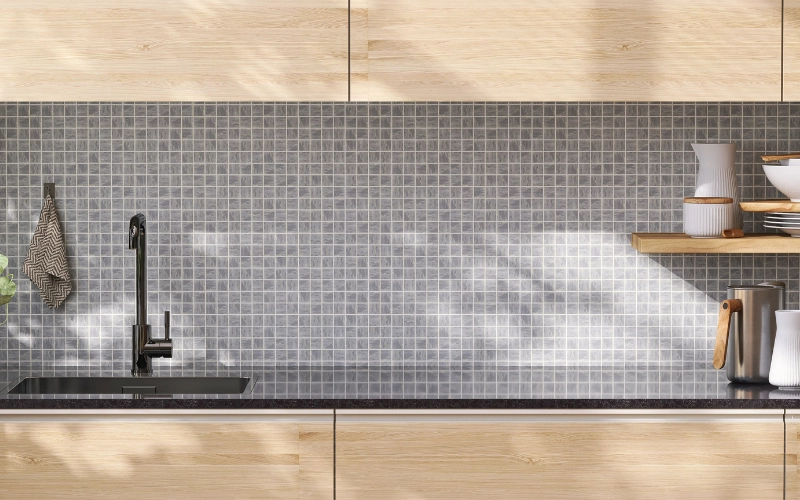


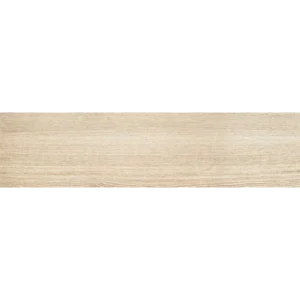

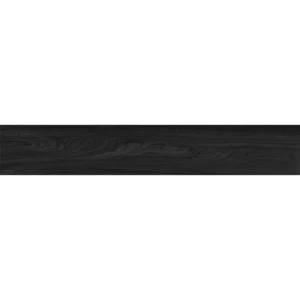
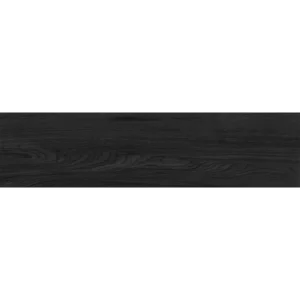
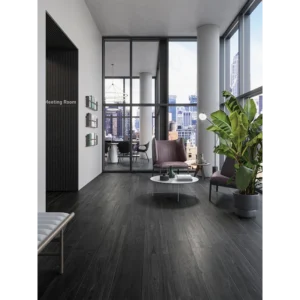


Decorative Protection for the Most Active Kitchen Surfaces
A kitchen backsplash protects frequently used wall areas while creating one of the most visible design features in the room.
Installed behind ranges, sinks, countertops, bars, and preparation areas, backsplash tile helps manage everyday splashes and residue while introducing color, pattern, texture, scale, and material character.
Stone Market USA offers natural stone, marble, mosaic, porcelain, subway, and geometric backsplash options for contemporary, traditional, transitional, farmhouse, minimalist, and luxury kitchen interiors.
Why Install a Kitchen Backsplash?
A carefully selected backsplash combines practical wall protection with an opportunity to define the visual identity of the entire kitchen.
Wall Protection
Suitable tile helps protect walls around sinks, ranges, countertops, and food-preparation areas from daily splashes.
Easy Maintenance
Properly installed and maintained tile surfaces can be easier to clean than painted or unfinished kitchen walls.
Visual Detail
Pattern, grout, finish, color, and natural variation can transform the backsplash into a refined focal point.
Design Coordination
Backsplash tile connects countertops, cabinetry, flooring, fixtures, lighting, hardware, and surrounding finishes.
Popular Kitchen Backsplash Options
Compare material, pattern, scale, finish, grout visibility, natural variation, and maintenance requirements before selecting a backsplash.
Marble Backsplashes
Natural veining, mineral movement, and refined color variation for sophisticated kitchens, range walls, bars, and decorative features.
Explore marble backsplashesMosaic Backsplashes
Detailed sheet-mounted patterns for complete backsplashes, range features, bars, niches, borders, and accent sections.
Explore mosaic backsplashesHexagon & Geometric Tile
Structured patterns that introduce contemporary rhythm, architectural detail, and distinctive grout-defined movement.
Explore geometric mosaicsHerringbone & Decorative Patterns
Angled, curved, woven, and ornamental mosaic formats for statement backsplashes and carefully detailed kitchen interiors.
Explore mosaic patternsWhere Can Kitchen Backsplash Tile Be Used?
Backsplash tile can protect working surfaces while defining specific zones and architectural features throughout a kitchen or bar area.
- Range walls: Create a full-height or framed feature behind cooking appliances while coordinating with the hood and cabinets.
- Sink areas: Protect the wall from everyday water and cleaning splashes while adding an easy-to-maintain surface.
- Countertop walls: Continue tile between countertops and upper cabinetry for a complete, coordinated installation.
- Bars and beverage areas: Use mosaics or decorative tile behind wet bars, coffee stations, serving counters, and hospitality features.
- Open shelving: Extend backsplash tile behind shelves to create a continuous architectural surface.
- Accent walls and niches: Introduce pattern within kitchen niches, display areas, islands, or selected decorative wall sections.
Choosing the Right Kitchen Backsplash
Review the complete design composition rather than choosing the backsplash independently from the rest of the kitchen.
- Material: Marble offers natural movement, while porcelain and other manufactured surfaces may provide more consistent color and performance.
- Pattern scale: Small mosaics add detail, while larger subway and field formats create cleaner, quieter wall surfaces.
- Finish: Polished, honed, matte, textured, or tumbled finishes affect sheen, color depth, cleaning, and visual character.
- Grout color: Matching grout softens the pattern, while contrasting grout makes each piece and joint more visible.
- Cabinet and countertop coordination: Compare the tile beside the actual cabinet, countertop, hardware, paint, and lighting selections.
- Natural variation: Review samples and blend sheets from multiple boxes before installation.
Plan Outlets, Corners, and Pattern Alignment
The finished appearance depends on how tile interacts with electrical outlets, switches, cabinet edges, windows, shelves, corners, range hoods, and countertop lines.
Dry-layout representative sheets or tiles before installation to review pattern direction, cuts, sheet seams, grout spacing, color movement, and focal-point alignment.
Allow for Cuts, Breakage, and Future Repairs
Additional material may be needed for outlets, corners, windows, pattern continuation, sheet adjustment, natural selection, breakage, and future replacement.
Final quantities should reflect the complete layout rather than only the measured square footage of the wall.
Maintaining Kitchen Backsplash Tile
Cleaning and maintenance should be matched to the specific tile material, finish, grout, sealer, cooking exposure, and installation conditions.
Clean Splashes Promptly
Remove food, grease, soap, water, and cooking residue before buildup becomes difficult to clean.
Use Material-Safe Cleaner
Choose a cleaner appropriate for the selected stone, porcelain, grout, sealer, and surface finish.
Seal When Recommended
Natural stone and grout may benefit from a suitable penetrating sealer depending on the installation.
Inspect Grout and Sealant
Periodically review joints around countertops, sinks, corners, windows, and transitions for maintenance needs.
Kitchen Backsplash FAQs
Helpful answers for selecting backsplash materials, patterns, finishes, grout, quantities, samples, sealing, and installation.
What is the best tile for a kitchen backsplash?
The best option depends on the desired appearance, maintenance, cooking exposure, finish, grout, budget, natural variation, and surrounding materials.
Can marble be used for a kitchen backsplash?
Yes. Marble is widely used for kitchen backsplashes because of its natural veining and refined appearance. It requires stone-safe cleaning and may benefit from sealing.
Are mosaic sheets difficult to install?
Mesh-mounted sheets can simplify placement, but careful layout is required to avoid visible sheet seams and maintain consistent chip spacing.
What grout color should I use?
A grout color close to the tile creates a quieter, more continuous appearance. Contrasting grout emphasizes the shape and makes the pattern more visible.
Does backsplash tile need to be sealed?
Many natural stone and grout installations benefit from sealing. Requirements depend on the material, finish, grout, cooking exposure, and selected sealer.
How much extra backsplash tile should I order?
Additional material may be needed for cuts, outlets, corners, pattern alignment, sheet adjustment, breakage, natural selection, and future repairs.
Can I order kitchen backsplash samples?
Sample availability depends on the individual product. Review the product page or contact Stone Market USA to confirm samples, color, finish, pattern, and current availability.
Planning a Kitchen Backsplash Project?
Contact Stone Market USA for assistance comparing backsplash materials, patterns, colors, finishes, grout options, quantities, samples, and current availability.