






Premium Pavers for Outdoor Living and Landscape Design
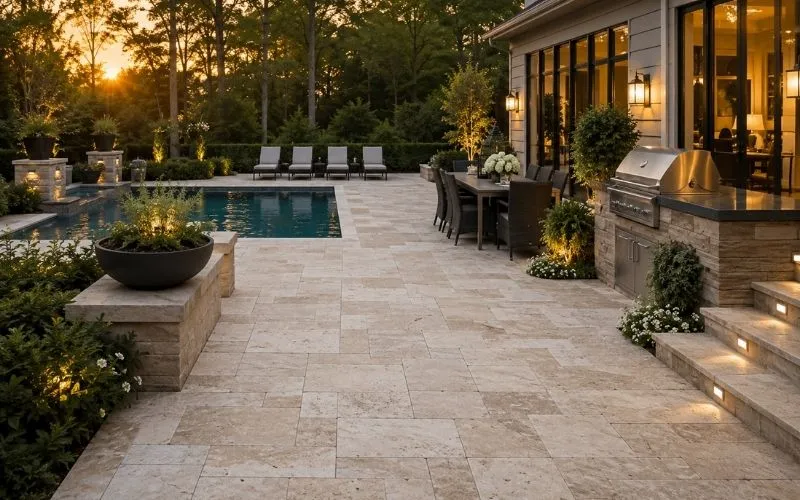
Natural stone pavers create durable, distinctive outdoor surfaces for patios, pool decks, walkways, courtyards, garden paths, entry areas, and carefully specified driveways.
Unlike uniform manufactured surfaces, natural stone brings authentic color movement, mineral detail, texture, and variation to every project. The result is an outdoor installation with depth and character that develops as part of the surrounding architecture and landscape.
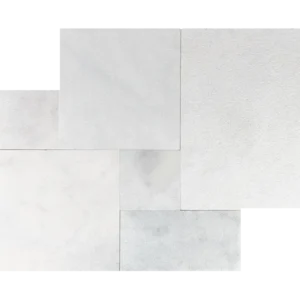
Stone Market USA offers travertine, marble, and limestone pavers in selected sizes, finishes, edge treatments, colors, thicknesses, and collections. Each material provides a different balance of appearance, texture, maintenance, and application suitability.
Browse the products above or compare our dedicated travertine pavers , marble pavers , and limestone pavers by project requirements and design character.
Why Choose Natural Stone Pavers?
Natural stone combines authentic surface variation, architectural presence, and versatile outdoor design options for residential and commercial landscapes.
Authentic Character
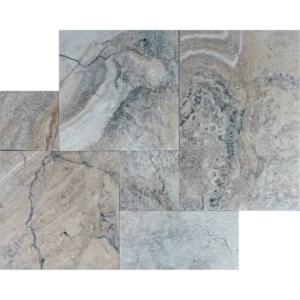
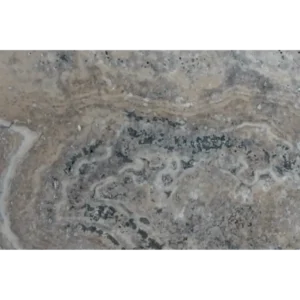
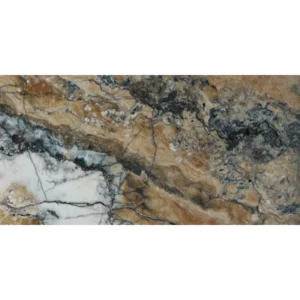
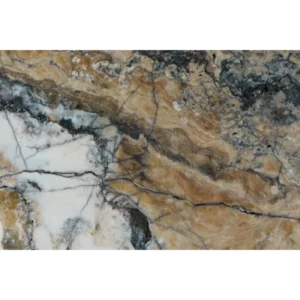
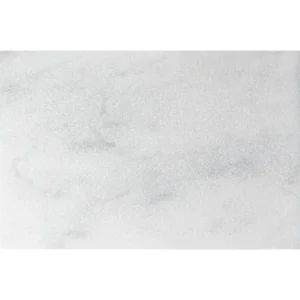
Every piece may display unique color, texture, veining, pores, mineral markings, fossils, or tonal movement created by natural geological processes.
Outdoor Versatility
Suitable products can support patios, pool decks, courtyards, walkways, outdoor kitchens, landscape paths, and selected vehicular applications.
Design Flexibility
Available colors, sizes, finishes, edge treatments, and patterns allow the paving surface to coordinate with the building and surrounding landscape.
Long-Term Appeal
Properly specified and installed natural stone offers an enduring appearance that works with classic, Mediterranean, contemporary, and transitional designs.
Compare Our Natural Stone Paver Collections
Consider the desired color, surface texture, application, climate, traffic, thickness, maintenance expectations, and installation method when choosing a paver material.
Travertine Pavers
Warm beige, ivory, walnut, silver, and blended tones with naturally textured character for patios, pool decks, walkways, courtyards, and resort-inspired outdoor spaces.
Explore travertine paversMarble Pavers
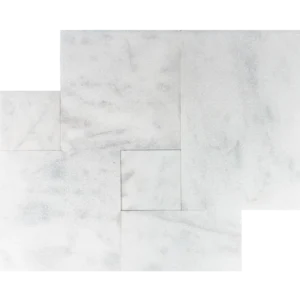
Refined natural movement and sophisticated color variation for premium pool surroundings, patios, courtyards, walkways, entrances, and upscale outdoor architecture.
Explore marble paversLimestone Pavers
Soft cream, beige, and neutral tones with understated texture for modern patios, pool areas, garden paths, courtyards, and minimalist landscape designs.
Explore limestone paversWhere Can Pavers Be Used?
Product suitability depends on the stone, thickness, finish, traffic, climate, drainage, substrate, installation system, and local project requirements.
- Patios: Create comfortable outdoor living areas for dining, seating, entertaining, grilling, and everyday use.
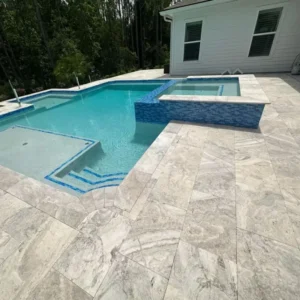
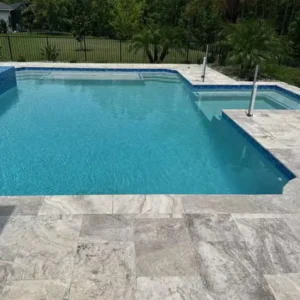
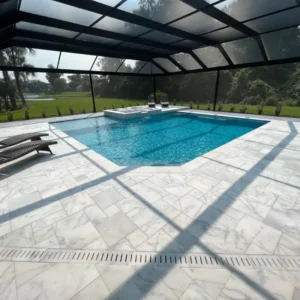
- Pool decks: Suitable textured pavers can create a coordinated pool surround when surface temperature, slip considerations, drainage, and pool chemistry are evaluated.
- Walkways and garden paths: Natural stone defines circulation routes while connecting landscape elements, entrances, patios, and outdoor features.
- Courtyards and entry areas: Pavers can provide a strong architectural transition between the building, driveway, garden, and outdoor living spaces.
- Outdoor kitchens: Coordinate the paving surface with cabinetry, countertops, appliances, pergolas, and dining areas.
- Driveways: Selected pavers may support vehicle traffic when the product thickness, base, edge restraint, installation system, traffic load, and local requirements are appropriate.
Choosing the Right Paver
Review the complete technical and visual specification rather than choosing by color alone.
- Material: Travertine offers warmer movement, marble a more refined appearance, and limestone a quieter neutral surface.
- Finish: Tumbled, brushed, sandblasted, leathered, or other textured finishes affect appearance, touch, traction, maintenance, and application suitability.
- Thickness: Confirm whether the selected thickness and installation system are appropriate for pedestrian, poolside, or vehicular use.
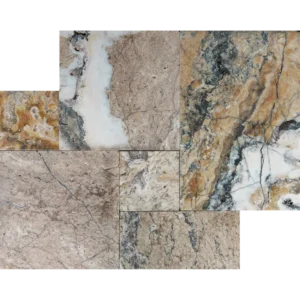
- Size and pattern: Large rectangular pavers create cleaner lines, while mixed-size patterns introduce movement and traditional outdoor character.
- Color variation: Review samples and blend materials from multiple crates or pallets to distribute natural variation across the project.
- Climate and exposure: Confirm freeze-thaw suitability, drainage, moisture, heat, salt, pool chemistry, and weather exposure for the intended location.
Build the Right Foundation
The long-term performance of a paver surface depends on preparation below the stone as much as the paver itself.
- Prepare the base: The excavation depth, compacted base, bedding layer, and substrate must suit the soil, drainage, traffic, and selected installation method.
- Plan drainage: Establish appropriate slope and water management to reduce standing water and direct runoff away from structures.
- Use edge restraints: Suitable restraints help limit lateral movement and maintain alignment in dry-laid paving systems.
Allow for Cuts, Variation, and Future Repairs
Order calculations should account for more than the exact square footage of the finished surface.
- Include additional material: Allow for cuts, breakage, pattern alignment, color blending, natural selection, and fitting around edges or structures.
- Blend before installation: Open multiple crates or pallets and distribute tones, textures, veining, and surface variation across the project.
- Keep spare pieces: Retaining material from the original production lot can make future repairs easier to coordinate.
Maintaining Natural Stone Pavers
Cleaning and maintenance should be matched to the stone, finish, installation system, grout or joint material, climate, traffic, and exposure conditions.
Remove Loose Debris
Sweep leaves, soil, sand, and other loose debris regularly to reduce staining and surface abrasion.
Use Stone-Safe Cleaner
Use a pH-neutral cleaner appropriate for natural stone and avoid harsh acids or abrasive cleaning methods.
Seal When Appropriate
Sealing requirements vary by stone, finish, exposure, desired appearance, traffic, and selected penetrating sealer.
Inspect Joints and Drainage
Periodically check joint material, edge restraints, settlement, movement, drainage paths, and surrounding landscape conditions.
Paver FAQs
Helpful answers for comparing paver materials, pool and driveway suitability, thickness, finishes, natural variation, sealing, quantities, samples, and installation.
Which natural stone paver is best for a pool deck?
Travertine, marble, and limestone may all be considered for suitable pool applications. Selection should account for finish, surface temperature, traction, thickness, drainage, pool chemistry, maintenance, and local climate.
Can natural stone pavers be used for driveways?
Selected products may support driveway use when the stone, thickness, dimensions, base preparation, bedding system, edge restraint, traffic loads, drainage, and local requirements are suitable. Verify the specific product before ordering.
What is the difference between travertine, marble, and limestone pavers?
Travertine typically offers warmer color movement and visible natural pores. Marble often has a more refined crystalline appearance and distinctive veining. Limestone generally provides softer, quieter tones and understated surface character.
Do natural stone pavers need to be sealed?
Many installations benefit from a suitable penetrating sealer, but requirements vary by stone, finish, application, exposure, traffic, maintenance plan, and desired appearance.
Will sealing change the paver color?
Natural-look penetrating sealers are intended to limit visible change, while enhancing sealers can deepen or enrich the color. Always test the selected product on an unused sample first.
How much extra paver material should I order?
Additional material is commonly needed for cuts, breakage, pattern alignment, fitting, natural color selection, project complexity, and future repairs. The appropriate allowance depends on the layout and installation.
Can pavers vary in color and texture?
Yes. Natural stone may vary in color, veining, mineral markings, texture, pores, fossils, edge character, and surface movement between pieces and production lots.
Can I order paver samples?
Sample availability depends on the individual product. Review the product page or contact Stone Market USA to confirm samples, current inventory, color, texture, finish, thickness, and expected natural variation.
Need Help Selecting Natural Stone Pavers?
Contact Stone Market USA for assistance comparing travertine, marble, and limestone pavers by color, finish, size, thickness, application, quantity, samples, and current availability for your outdoor project.