






















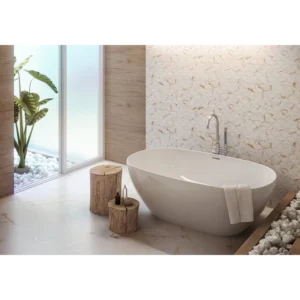
A Refined Foundation for Everyday Living
Residential flooring influences the comfort, appearance, continuity, and daily performance of every interior space.
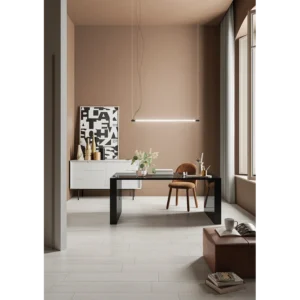
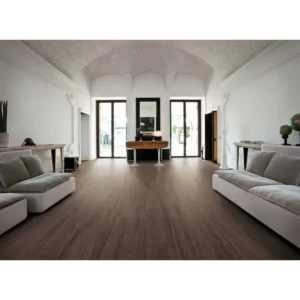
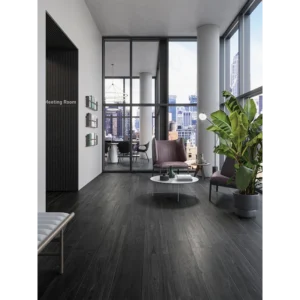
From open-plan living rooms and kitchens to bedrooms, hallways, entryways, home offices, and bathrooms, the right flooring creates a visual foundation that connects furniture, cabinetry, wall finishes, lighting, and architectural details.
Stone Market USA offers marble, limestone, travertine, porcelain, mosaics, and specialty tile surfaces in a wide range of colors, textures, formats, finishes, thicknesses, and design styles for residential interiors.
What Makes a Strong Interior Flooring Choice?
The right floor should balance appearance, comfort, durability, maintenance, room function, installation requirements, and long-term design value.
Timeless Appearance
Natural stone and carefully selected porcelain surfaces can support classic, contemporary, transitional, and luxury interiors.
Room-to-Room Continuity
Coordinated flooring can visually connect living rooms, kitchens, hallways, dining areas, and adjoining spaces.
Design Flexibility
Multiple sizes, finishes, colors, patterns, and textures allow flooring to complement almost any interior concept.
Long-Term Value
Quality tile and stone flooring can provide a lasting architectural finish when properly selected, installed, and maintained.
Residential Interior Flooring Materials
Compare appearance, variation, finish, room suitability, maintenance, format, texture, and installation requirements before selecting a residential floor.
Marble Flooring
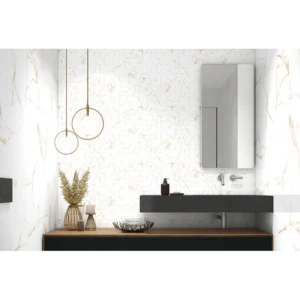
Distinctive veining and refined natural movement for living rooms, entryways, bathrooms, dining rooms, hallways, and elegant residential interiors.
Explore marblePorcelain Flooring
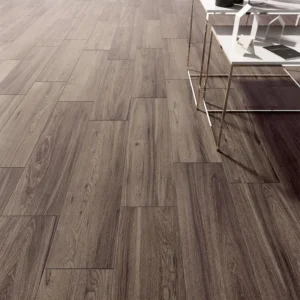
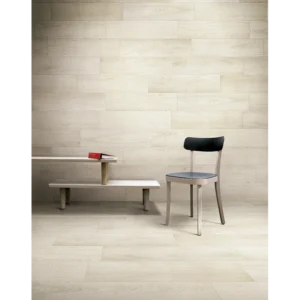
Stone-look, concrete-look, wood-look, matte, polished, textured, and large-format options for versatile residential spaces.
Explore porcelainLimestone Flooring
Soft neutral tones and understated natural texture for calm living rooms, kitchens, hallways, bathrooms, and contemporary interiors.
Explore limestoneTravertine Flooring
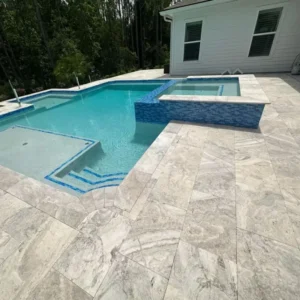
Warm movement, natural pores, and classic architectural character for traditional, Mediterranean, transitional, and relaxed residential designs.
Explore travertineWhere Can Interior Tile Flooring Be Used?
Product suitability depends on the room, material, finish, moisture, traffic, maintenance, substrate, and complete installation system.
- Living rooms: Create a refined foundation for seating areas, fireplaces, media walls, furniture, and open-plan interiors.
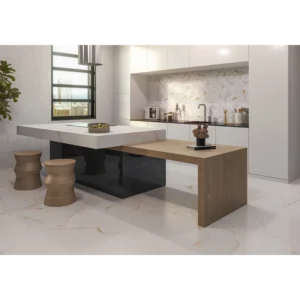
- Kitchens: Coordinate flooring with cabinetry, countertops, backsplash tile, appliances, lighting, and adjoining spaces.
- Entryways and hallways: Select surfaces that support circulation while creating a strong first impression.
- Bedrooms: Use calm colors, soft visual movement, and suitable finishes to support comfortable private spaces.
- Dining areas: Coordinate the floor with tables, lighting, wall treatments, rugs, and connected kitchen spaces.
- Home offices: Create a clean, structured background for desks, shelving, seating, and professional residential interiors.
Choosing Residential Interior Flooring
Review both the visual character and practical requirements of each room before selecting a flooring material.
- Material: Natural stone offers authentic variation, while porcelain can provide more consistent color and pattern.
- Finish: Honed, polished, matte, textured, or tumbled finishes affect sheen, maintenance, traction, and visual character.
- Tile size: Large formats create fewer grout joints, while smaller tiles and mosaics support more detailed layouts.
- Color: Light flooring can open a room visually, while deeper tones create contrast and architectural depth.
- Traffic and lifestyle: Consider children, pets, entertaining, furniture movement, cleaning frequency, and everyday household use.
- Natural variation: Review samples and blend materials from multiple boxes or crates before installation.
Coordinate Flooring with the Complete Interior
Review flooring beside cabinetry, countertops, wall colors, furniture, doors, trim, metal finishes, rugs, lighting, and adjoining materials.
Samples should be viewed in the actual room during different times of day because natural and artificial lighting can significantly affect color, sheen, texture, and variation.
Allow for Cuts, Variation, and Future Repairs
Additional material may be needed for cuts, doorways, corners, pattern alignment, natural color selection, breakage, attic stock, and future replacement.
Retaining material from the original production lot can make later repairs, room additions, or layout changes easier to coordinate.
Protecting Residential Flooring
Long-term appearance depends on proper installation, routine cleaning, suitable maintenance products, furniture protection, and care appropriate for the material and finish.
Remove Loose Debris
Sweep or vacuum dust, sand, crumbs, and abrasive debris regularly to reduce scratching and surface wear.
Use Suitable Cleaner
Use products appropriate for natural stone, porcelain, grout, finish, and any applied sealer.
Protect Furniture
Use suitable pads beneath chairs, tables, sofas, cabinets, and movable furniture.
Seal When Recommended
Natural stone and grout may benefit from sealing depending on the material, room, exposure, and finish.
Residential Flooring FAQs
Helpful answers for comparing residential flooring materials, finishes, sizes, quantities, maintenance, samples, and installation planning.
What is the best tile for residential flooring?
The best option depends on the room, traffic, moisture, maintenance, desired appearance, finish, substrate, budget, and installation requirements.
Can marble be used throughout a home?
Marble can be used in many residential interiors when the finish, maintenance, sealing, traffic, room conditions, and installation system are appropriate.
Is porcelain suitable for living rooms and bedrooms?
Yes. Porcelain is available in a wide range of stone-look, concrete-look, wood-look, matte, polished, and textured designs for residential rooms.
Which tile finish is easiest to maintain?
Maintenance depends on the material, finish, texture, grout, sealer, room use, and cleaning routine. Smooth surfaces may be easier to wipe, while highly polished or textured finishes have different care considerations.
How much extra flooring should I order?
Additional material may be needed for cuts, breakage, pattern alignment, natural variation, room complexity, attic stock, and future repairs.
Can natural stone flooring vary in color?
Yes. Natural stone may vary in color, veining, mineral markings, pores, fossils, texture, and movement between pieces and production lots.
Can I order flooring samples?
Sample availability depends on the individual product. Review the product page or contact Stone Market USA to confirm color, finish, size, texture, variation, and current availability.
Planning a Residential Flooring Project?
Contact Stone Market USA for assistance comparing flooring materials, colors, sizes, finishes, patterns, quantities, samples, freight options, and current availability.