







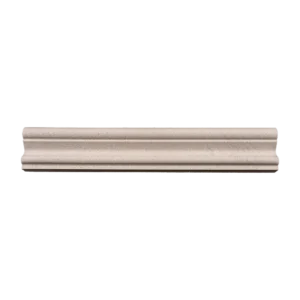
Soft Cream Limestone with Quiet Natural Texture
Lymra limestone is valued for its pale cream background, fine-grained texture, restrained natural movement, and clean architectural appearance.
Individual pieces may display subtle tonal variation, fine pores, light mineral markings, delicate fossil traces, and soft transitions between cream and pale beige. Its relatively quiet surface allows Lymra to create visual continuity without competing with cabinetry, furniture, fixtures, or surrounding materials.
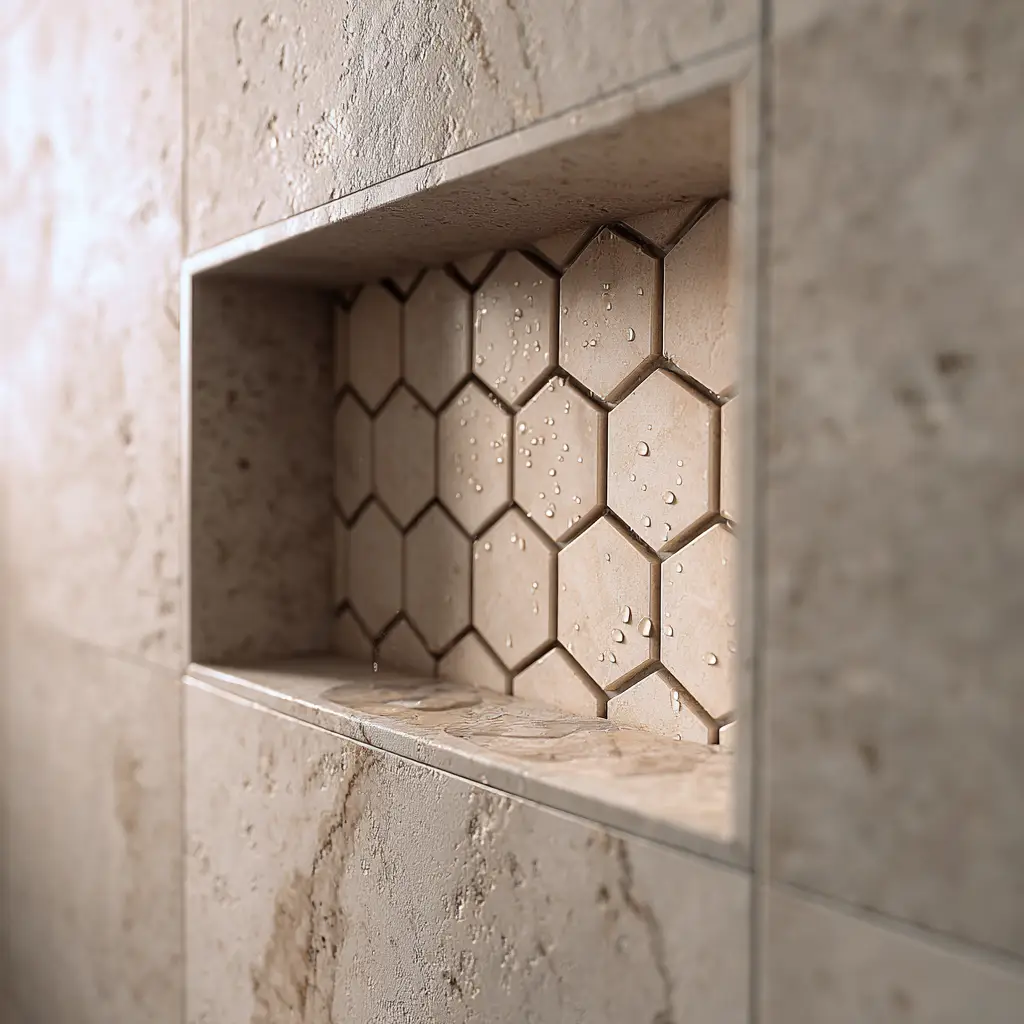
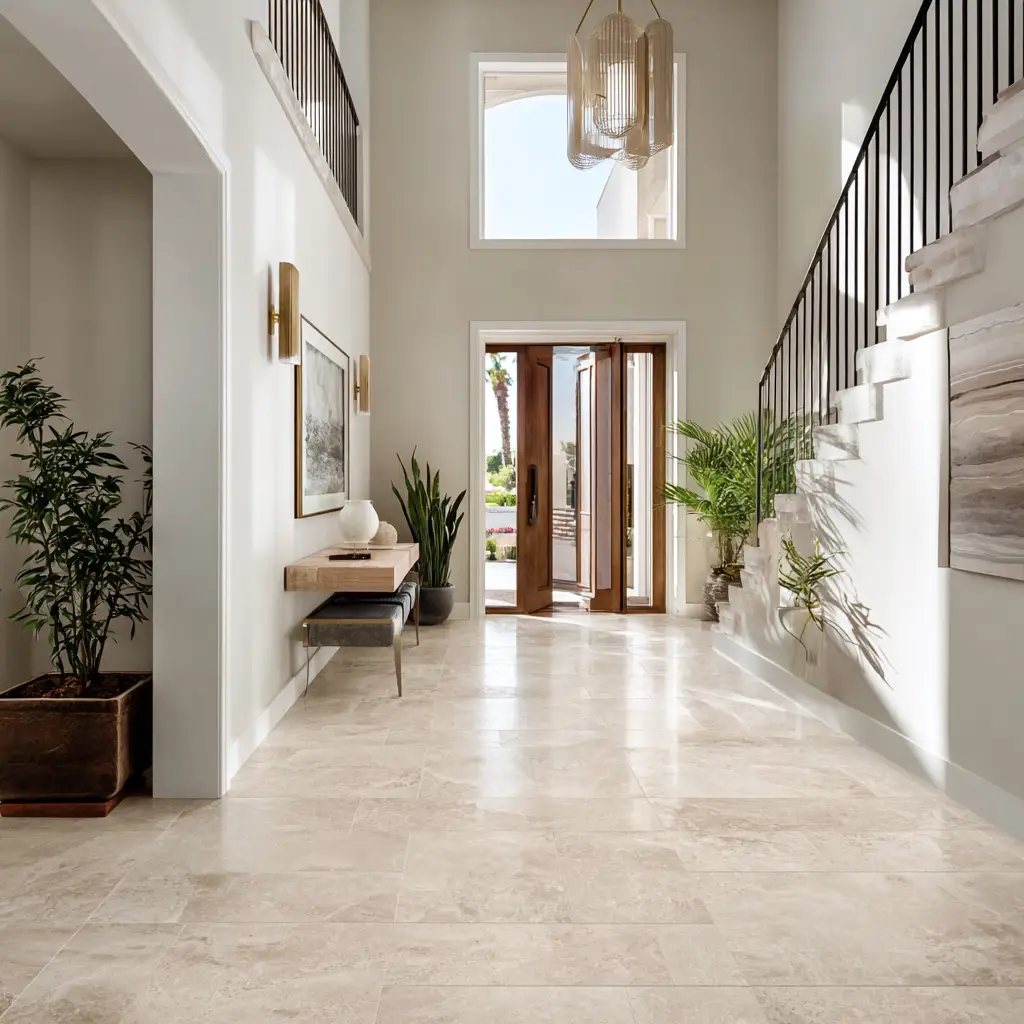
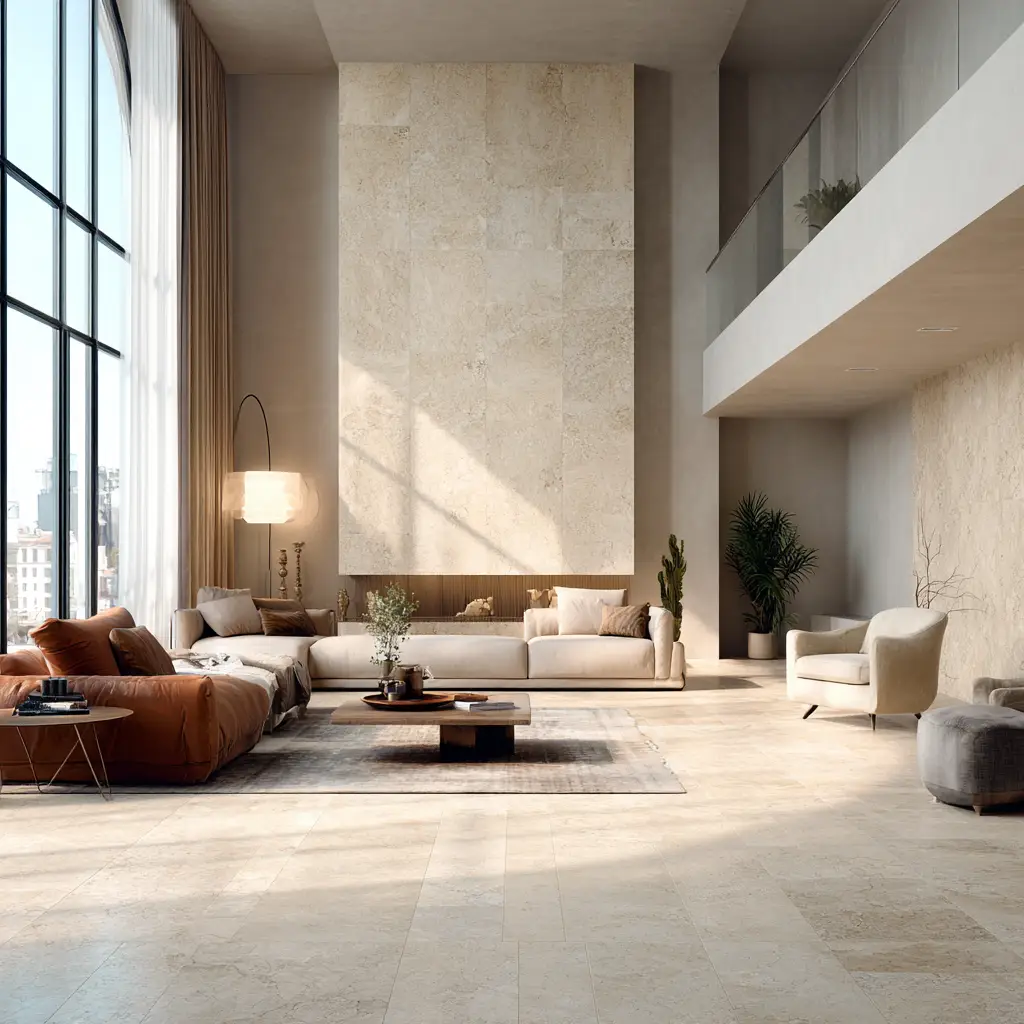
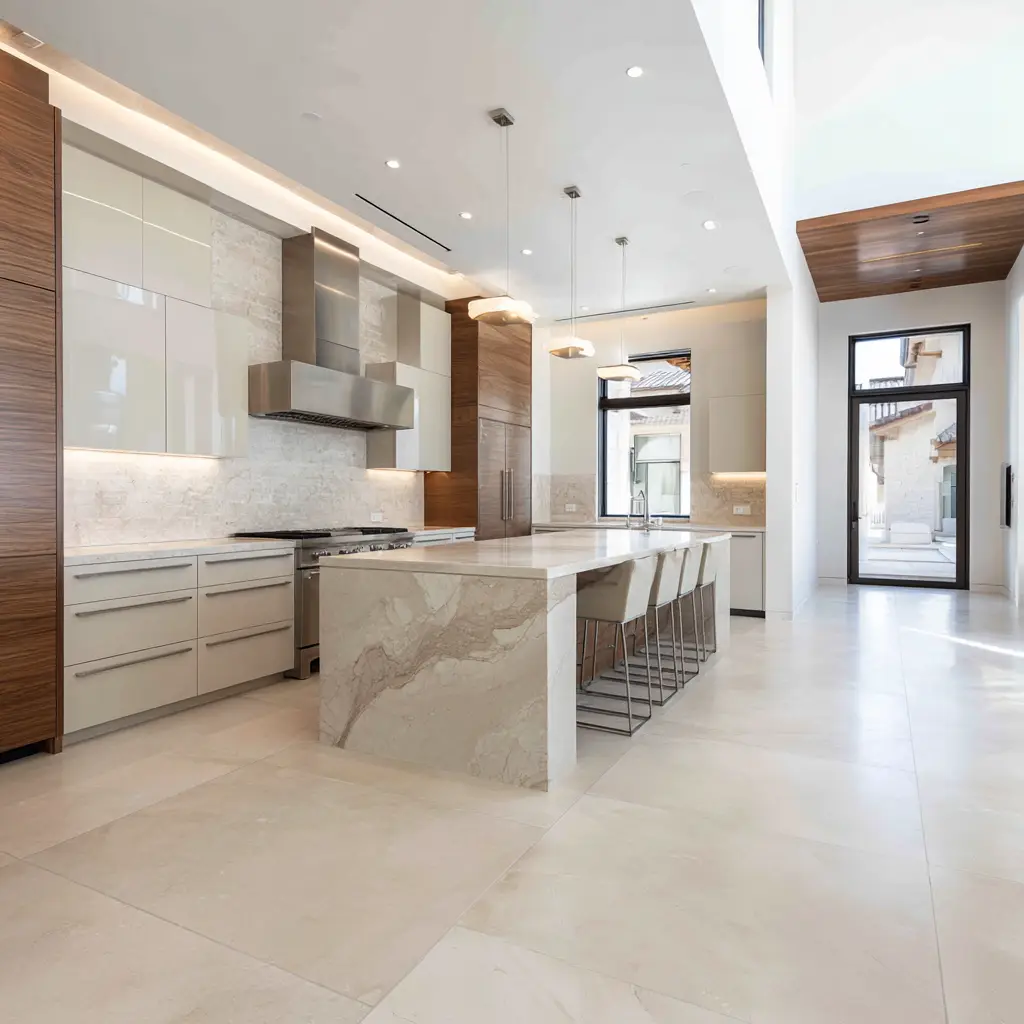
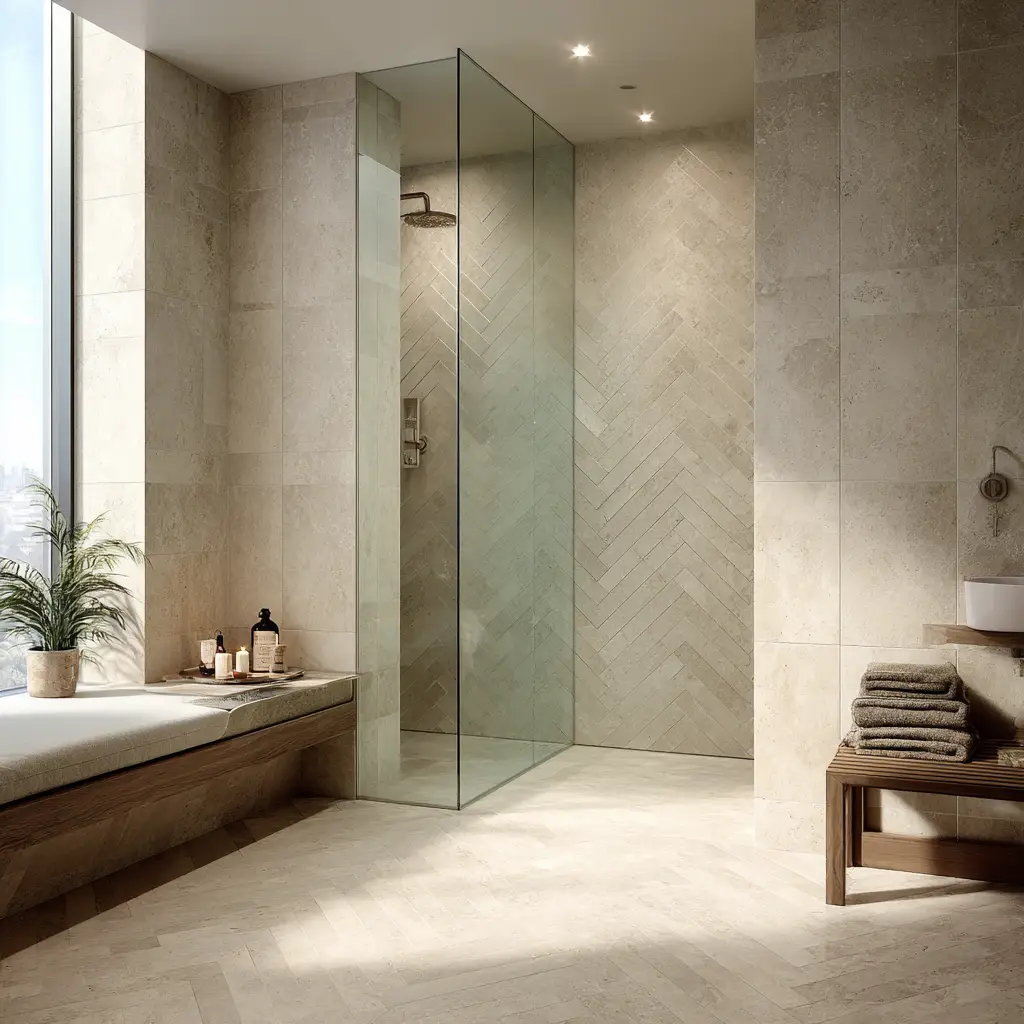
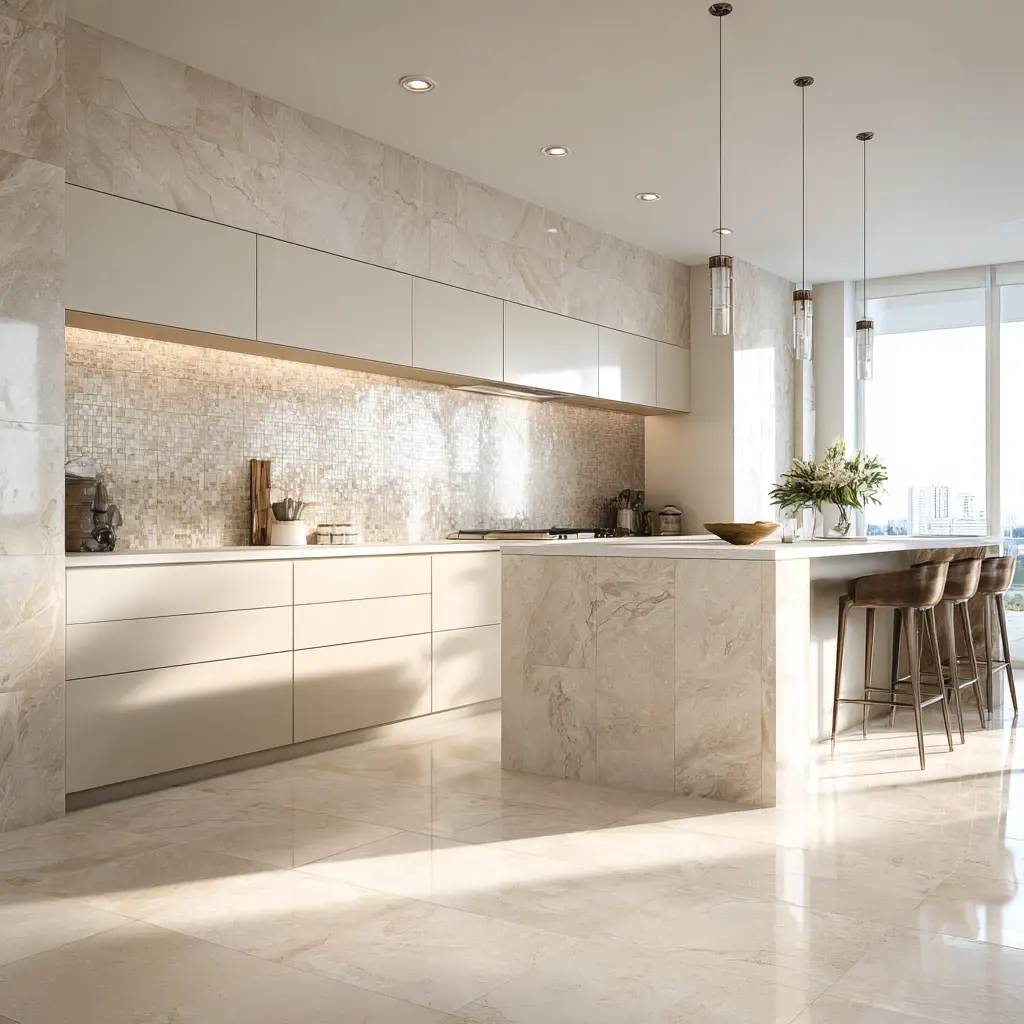
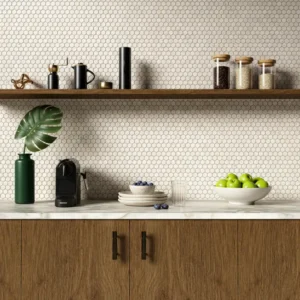
The Stone Market USA Lymra collection includes decorative mosaics, field tiles, and coordinating limestone moldings. These formats can be combined across bathrooms, showers, kitchens, fireplaces, feature walls, entries, and selected flooring applications to create a cohesive light-stone interior.
Why Choose Lymra Limestone?
Lymra combines a bright cream palette, quiet natural texture, coordinated product formats, and a timeless character suited to contemporary, coastal, transitional, and classic interiors.
Bright Cream Palette
Pale cream and light beige tones help interiors feel open, calm, warm, and naturally illuminated.
Restrained Variation
Fine texture and subtle mineral movement create natural depth without producing a visually busy surface.
Coordinated Formats
Field tiles, decorative mosaics, trims, and moldings support consistent material coordination.
Design Compatibility
Lymra pairs naturally with warm wood, light oak, cream cabinetry, brass, black metal, and pale neutral finishes.
Explore Lymra Product Types
Select the format that best supports the intended surface, pattern scale, architectural detail, and overall design concept.
Lymra Mosaics
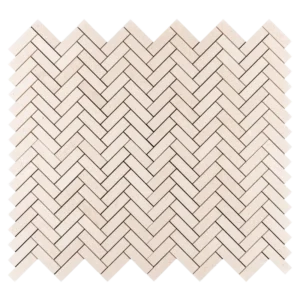
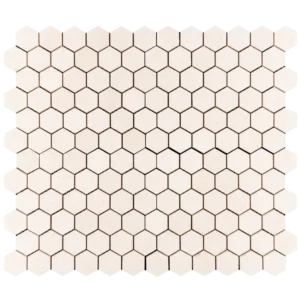
Decorative herringbone, hexagon, linear, square, brick, and specialty limestone patterns for shower walls, niches, backsplashes, floors, and feature surfaces.
Lymra Tiles
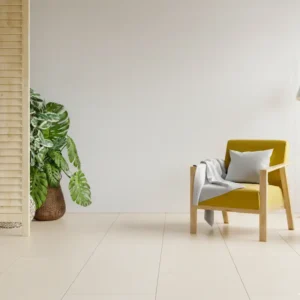
Coordinating field tiles for shower walls, bathroom floors, kitchens, fireplaces, feature walls, entries, and selected residential or commercial surfaces.
Lymra Moldings
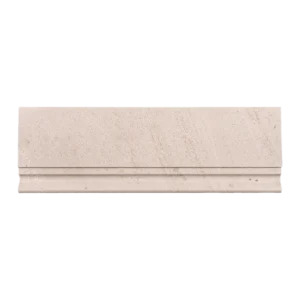
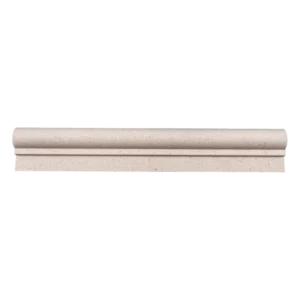
Chair rails, baseboards, crown trims, liners, pencils, and architectural pieces designed to finish edges, transitions, framed areas, and coordinated installations.
Where Can Lymra Limestone Be Used?
Final suitability depends on the product format, finish, traffic, moisture exposure, substrate, setting materials, environmental conditions, and complete installation system.
- Bathrooms: Vanity walls, bathroom floors, tub surrounds, niches, and calm cream-stone installations.
- Showers: Selected mosaics and tiles for shower walls, niches, benches, and professionally designed wet areas.
- Kitchens: Light limestone surfaces for backsplashes, feature walls, floors, islands, and open shelving areas.
- Fireplaces: Coordinating field tiles and moldings for understated surrounds and architectural framing.
- Feature walls: Quiet natural texture for living areas, entries, powder rooms, hospitality spaces, and focal surfaces.
- Selected flooring: Product-specific formats for suitable residential, boutique, and light-commercial floor applications.
Choosing the Right Lymra Product
Review the cream tone, natural texture, finish, format, pattern scale, intended application, and surrounding materials before making a final selection.
- Cream tone: Compare pale cream, warm ivory, light beige, and softly mottled pieces against nearby finishes.
- Honed finish: Provides a smooth, low-sheen appearance suited to calm and refined interior environments.
- Pattern scale: Larger field tiles create visual continuity, while mosaics introduce detail and additional grout joints.
- Natural texture: Fine pores, mineral markings, and fossil traces are inherent characteristics of natural limestone.
- Material blending: Mix pieces from multiple boxes to distribute shade variation and natural surface character.
- Sample review: Compare samples with cabinetry, countertops, flooring, paint, fixtures, hardware, and room lighting.
Preserving the Natural Appearance of Lymra
Lymra is a porous, calcium-based natural limestone. Appropriate installation, stone-safe cleaning, routine care, and suitable sealing can help protect its light color and refined surface.
Use pH-Neutral Cleaners
Choose cleaners specifically approved for limestone and other calcium-based natural stone surfaces.
Avoid Acidic Products
Vinegar, lemon, acidic bathroom cleaners, and harsh chemicals may dull or etch the limestone surface.
Clean Spills Promptly
Remove oils, cosmetics, wine, citrus, food splashes, and strongly colored materials as soon as practical.
Confirm Sealing Needs
Many Lymra installations benefit from a penetrating stone sealer. Follow product, installer, and sealer guidance for the application.
Lymra Limestone FAQs
Helpful answers for comparing Lymra products, finishes, applications, natural variation, cleaning, sealing, samples, and installation.
What is Lymra limestone?
Lymra is a natural limestone recognized for its pale cream background, fine-grained texture, restrained variation, and clean architectural appearance.
Is Lymra suitable for bathrooms and showers?
Selected Lymra products may be used in bathrooms and shower applications when the tile, finish, waterproofing, substrate, drainage, setting materials, and sealing system are appropriate.
Can Lymra limestone be used in kitchens?
Selected Lymra tiles and mosaics may be used for kitchen backsplashes, walls, and suitable flooring applications. Natural limestone should be properly installed, sealed where appropriate, and cleaned with stone-safe products.
Does Lymra limestone need to be sealed?
Many Lymra installations benefit from a suitable penetrating sealer because limestone is naturally porous. Requirements depend on the finish, application, grout, exposure, and selected system.
Is Lymra limestone completely uniform?
No natural stone is completely uniform. Lymra is generally selected for restrained variation, but individual pieces may include tonal changes, pores, mineral markings, and fossil traces.
Can Lymra limestone be used on floors?
Selected products may be suitable for flooring. Confirm the tile thickness, format, finish, traffic level, substrate, installation method, slip considerations, and maintenance requirements.
How should Lymra limestone be cleaned?
Use a pH-neutral cleaner approved for natural limestone and a soft cloth, mop, or non-abrasive tool. Avoid vinegar, lemon, harsh acids, bleach mixtures, and abrasive scrub pads.
Can Lymra limestone be used outdoors?
Outdoor suitability is product- and climate-specific. Confirm the format, finish, thickness, freeze-thaw exposure, drainage, substrate, installation system, and manufacturer guidance before exterior use.
How much extra Lymra limestone should I order?
Additional material may be needed for cuts, pattern alignment, stone selection, natural variation, breakage, installation adjustments, and future repairs.
Can I order Lymra limestone samples?
Sample availability depends on the individual product. Review the product page or contact Stone Market USA to confirm samples, finishes, formats, sizes, patterns, and current inventory.
Need Help Selecting Lymra Limestone?
Contact Stone Market USA for assistance comparing Lymra mosaics, tiles, moldings, cream tones, finishes, applications, samples, quantities, and current product availability.