









Natural and Porcelain Surfaces for Outdoor Living
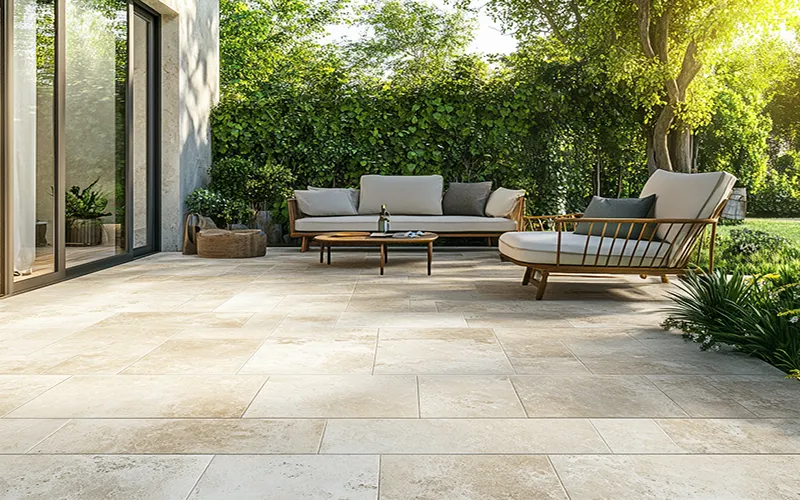
Outdoor flooring defines how patios, pools, terraces, courtyards, pathways, and landscape areas connect with the surrounding architecture.
A carefully selected outdoor surface should balance appearance, climate exposure, drainage, traffic, maintenance, installation requirements, and long-term project performance.
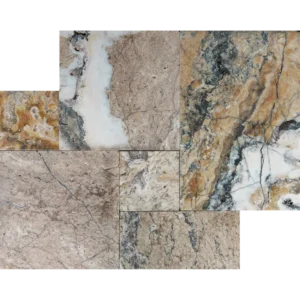
Stone Market USA offers travertine, marble, limestone, porcelain, natural stone pavers, and French pattern sets in a wide range of colors, textures, sizes, finishes, thicknesses, and architectural styles.
What Makes a Strong Outdoor Flooring Surface?
Outdoor flooring should provide a suitable combination of material performance, surface texture, drainage, design flexibility, and compatibility with the surrounding landscape.
Exterior Performance
Suitable materials can support outdoor exposure, pedestrian traffic, moisture, sunlight, temperature changes, and everyday use.
Natural Character
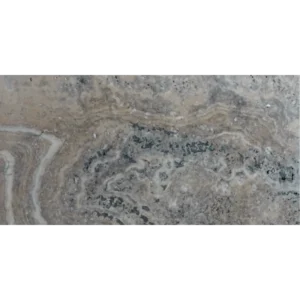
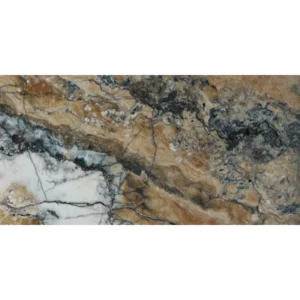
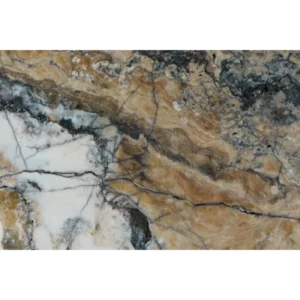
Stone introduces authentic color movement, texture, mineral detail, pores, veining, and surface variation.
Design Flexibility
Multiple formats, patterns, finishes, edge treatments, and tones support modern, traditional, coastal, and resort-style projects.
Landscape Integration
Flooring can connect buildings, pools, gardens, outdoor kitchens, seating areas, walkways, and landscape features.
Outdoor Flooring Materials
Compare color, texture, thickness, finish, climate suitability, maintenance, variation, installation method, and project requirements before selecting an outdoor surface.
Travertine Pavers
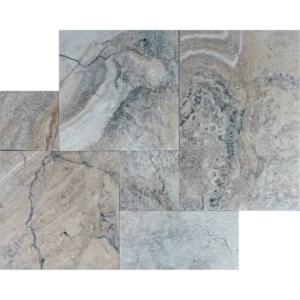
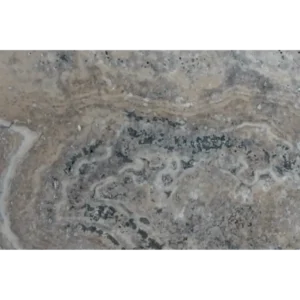
Warm ivory, beige, walnut, silver, and blended natural tones for patios, pool decks, courtyards, walkways, and resort-inspired outdoor spaces.
Explore travertine paversMarble Pavers
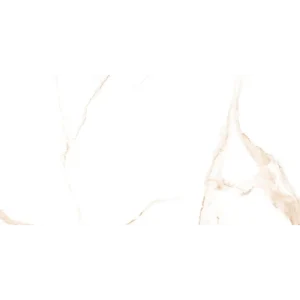
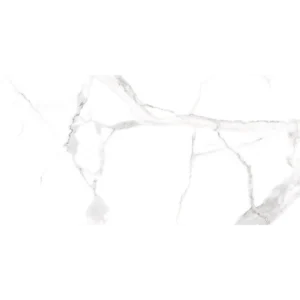
Refined natural movement and distinctive color variation for premium patios, pool surroundings, entrances, and upscale landscape designs.
Explore marble paversLimestone Pavers
Soft cream, beige, and neutral surfaces for modern patios, garden paths, courtyards, terraces, and minimalist outdoor environments.
Explore limestone paversOutdoor Porcelain
Manufactured stone-look, concrete-look, wood-look, and textured porcelain surfaces for contemporary patios, terraces, and carefully specified exterior applications.
Explore porcelainWhere Can Outdoor Flooring Be Used?
Product suitability depends on material, finish, thickness, traffic, climate, moisture, drainage, substrate, and the complete installation system.
- Patios: Create outdoor dining, seating, entertaining, grilling, and everyday living areas.
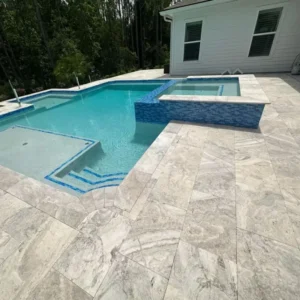
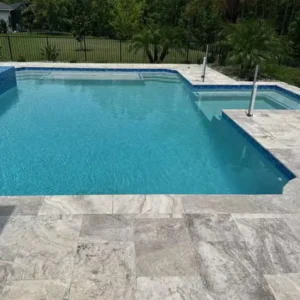
- Pool decks: Suitable surfaces can provide a coordinated pool surround when texture, temperature, drainage, and pool chemistry are evaluated.
- Courtyards: Connect architecture, landscape, entrances, gardens, and interior living spaces.
- Garden paths: Define circulation routes through landscaped areas while connecting patios, entrances, and outdoor features.
- Outdoor kitchens: Coordinate flooring with cabinetry, countertops, appliances, pergolas, dining spaces, and seating areas.
- Covered terraces: Extend interior design into protected exterior spaces while maintaining appropriate outdoor specifications.
Choosing the Right Outdoor Floor
Review the complete visual and technical specification rather than selecting the material by color alone.
- Material: Travertine offers warm movement, marble a refined appearance, limestone quiet neutral character, and porcelain consistent manufactured design.
- Finish: Tumbled, brushed, sandblasted, textured, matte, or other finishes affect appearance, touch, traction, and care.
- Thickness: Confirm that the selected thickness and installation method suit the intended pedestrian or vehicular use.
- Size and pattern: Large rectangular formats create cleaner lines, while mixed-size and French patterns add traditional movement.
- Climate: Review freeze-thaw exposure, heat, rainfall, salt, moisture, drainage, and regional weather conditions.
- Color variation: Blend materials from multiple pallets or crates to distribute natural movement across the installation.
Build the Right Foundation
Long-term outdoor performance depends on excavation, substrate preparation, base construction, drainage, bedding, edge restraint, slope, and professional installation.
The correct system varies according to soil conditions, product thickness, traffic, climate, local requirements, and whether the surface is dry-laid or installed over concrete.
Allow for Cuts, Variation, and Future Repairs
Additional material may be required for cuts, breakage, pattern alignment, natural color selection, fitting around structures, phased work, and future replacement.
Retaining material from the original production lot can make later repairs or expansions easier to coordinate.
Maintaining Outdoor Flooring
Cleaning and maintenance should be matched to the material, finish, joint system, sealer, climate, traffic, landscape, and exposure conditions.
Remove Loose Debris
Sweep leaves, soil, sand, pollen, and other debris regularly to reduce staining and surface abrasion.
Use Stone-Safe Cleaner
Use cleaning products appropriate for the specific material and avoid harsh acids or abrasive methods.
Seal When Appropriate
Sealing requirements vary according to stone, finish, exposure, traffic, desired appearance, and selected sealer.
Inspect Drainage and Joints
Periodically check settlement, movement, joint material, drainage paths, edge restraints, and surrounding landscape.
Outdoor Flooring FAQs
Helpful answers for comparing materials, pool applications, finishes, thickness, climate suitability, quantities, sealing, samples, and installation.
What is the best flooring for an outdoor patio?
The best option depends on climate, traffic, drainage, maintenance, desired appearance, surface texture, thickness, substrate, and installation method.
Which material is suitable for a pool deck?
Travertine, marble, limestone, and porcelain may be considered for suitable pool applications. Review texture, temperature, drainage, thickness, pool chemistry, maintenance, and local climate.
Can indoor tile be installed outdoors?
Not every indoor tile is suitable for exterior use. Confirm outdoor rating, thickness, finish, water absorption, climate suitability, installation system, and manufacturer requirements.
Do natural stone outdoor floors need sealing?
Many natural stone installations benefit from a suitable penetrating sealer, but requirements vary by stone, finish, climate, traffic, exposure, and desired appearance.
How much extra outdoor flooring should I order?
Additional material may be needed for cuts, breakage, pattern alignment, fitting, natural variation, project complexity, and future repairs.
Can outdoor flooring vary in color and texture?
Yes. Natural stone may vary in color, texture, veining, pores, fossils, mineral markings, edge character, and surface movement between pieces.
Can I order outdoor flooring samples?
Sample availability depends on the individual product. Review the product page or contact Stone Market USA to confirm color, finish, thickness, texture, size, and current availability.
Planning an Outdoor Flooring Project?
Contact Stone Market USA for assistance comparing outdoor flooring materials, colors, finishes, sizes, thicknesses, patterns, quantities, samples, freight options, and current availability.