









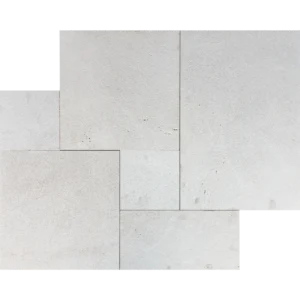



Refined Natural Stone for Exterior Surfaces
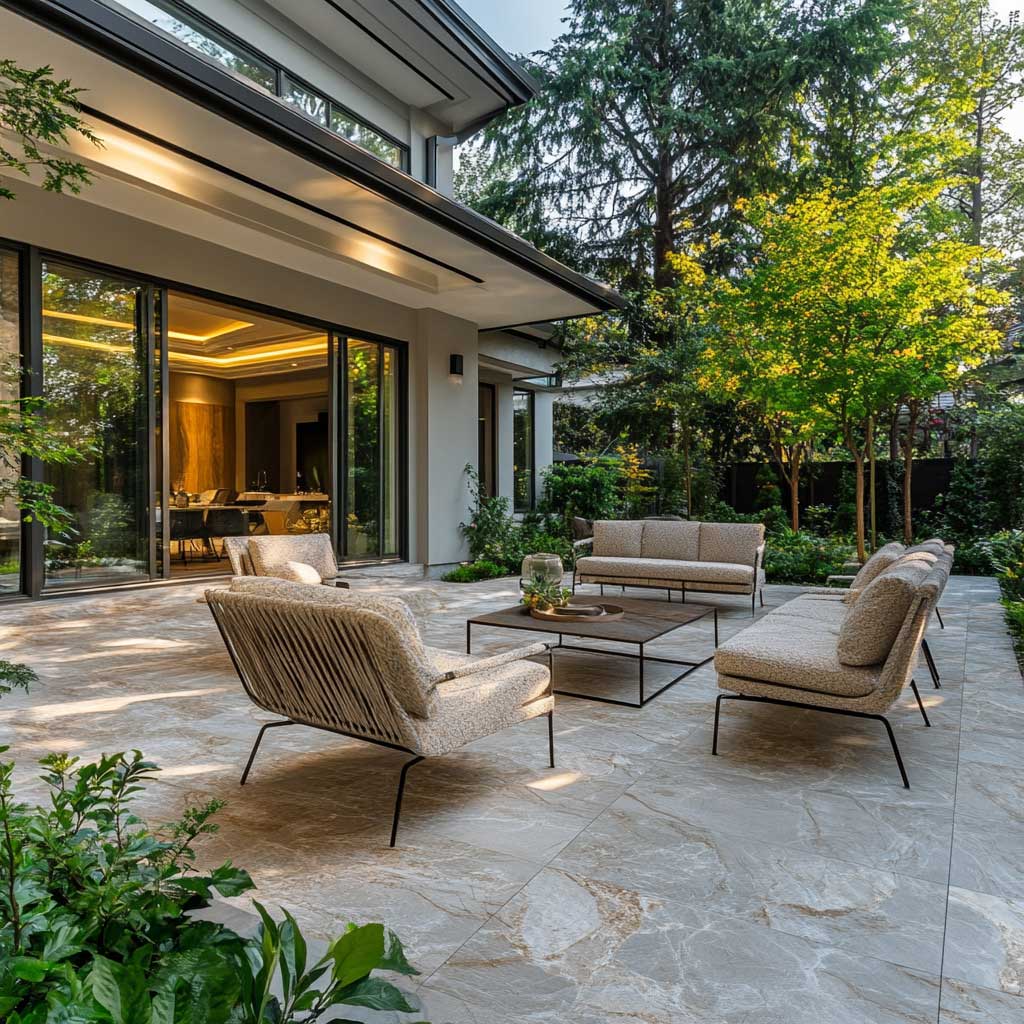
Marble pavers bring natural veining, crystalline movement, refined color, and architectural scale to patios, pool decks, courtyards, terraces, walkways, and outdoor living.
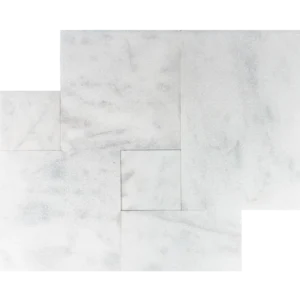
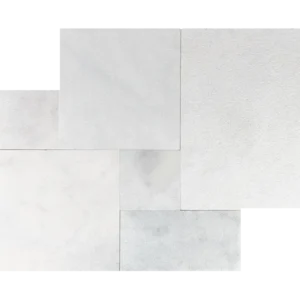
Each paver may display differences in tone, veining, mineral markings, surface texture, and crystalline detail. These natural characteristics give completed installations depth, variation, and a distinctive material identity.
Marble pavers can be coordinated with matching or complementary pool coping , wall caps, steps, borders, and other natural stone pavers for complete outdoor environments.
Explore the broader marble collection to coordinate outdoor pavers with interior tiles, mosaics, moldings, and architectural stone details.
Benefits of Marble Pavers
Properly selected and professionally installed marble pavers can create an elegant natural stone surface for residential, hospitality, and commercial outdoor projects.
Distinctive Appearance
Natural veining, mineral movement, and crystalline detail give every marble installation a unique architectural identity.
Outdoor Versatility
Suitable products can support patios, pool decks, terraces, courtyards, pathways, outdoor kitchens, and entrance areas.
Substantial Stone Format
Paver thickness and scale create a solid architectural presence for carefully designed exterior installations.
Coordinated Design
Marble pavers can coordinate with coping, borders, walls, steps, facades, interiors, and surrounding landscape materials.
Timeless Character
Refined stone colors complement modern, Mediterranean, contemporary, traditional, and resort-inspired architecture.
Where Can Marble Pavers Be Used?
Suitability depends on the marble, finish, thickness, climate, traffic, exposure, drainage, substrate, installation system, and complete project specification.
Patios & Courtyards
Create refined outdoor living spaces with natural stone color movement, large-scale formats, and coordinated architectural details.
Pool Decks
Selected textured marble finishes may support poolside environments when traction, drainage, slope, sealing, and installation requirements are properly considered.
Walkways & Garden Paths
Define pedestrian routes through gardens, courtyards, hospitality spaces, entrances, and carefully designed residential landscapes.
Terraces & Outdoor Rooms
Use marble pavers to connect covered terraces, dining spaces, seating zones, outdoor kitchens, and surrounding landscape areas.
Entrances & Courtyard Features
Refined marble surfaces can create a strong first impression at residential entrances, hospitality settings, and architectural arrival areas.
Selected Driveway Applications
Driveway use requires appropriate paver thickness, base engineering, load capacity, drainage, installation method, edge support, and professional project review.
Marble Paver Finishes
Finish influences texture, color depth, traction, surface temperature, cleaning, maintenance, and application suitability. Availability varies by product.
Sandblasted Finish
A uniformly textured surface that softens the stone’s sheen. Explore our sandblasted marble pavers for practical traction across patios, walkways, terraces, and poolside areas.
Brushed or Leathered Finish
Brushed and leathered marble pavers create a softer, matte tactile appearance while highlighting natural veining and mineral movement.
Tumbled or Textured Finish
Softened edges and textured surfaces create a more relaxed, aged appearance suited to courtyards, patios, walkways, and Mediterranean-inspired landscapes.
Variation Is Part of Marble’s Identity
Marble is a natural geological material. Differences between pavers, crates, and production lots should be reviewed and intentionally blended during installation.
Veining
Veins may range from subtle linear movement to bold, expressive patterns across individual pavers.
Color Variation
Natural stone may shift between lighter, darker, warmer, cooler, or blended tones within the same selection.
Mineral Markings
Crystalline areas, mineral deposits, fissures, and geological markings may naturally appear in the stone.
Surface Texture
Texture and color depth can vary according to the stone, finish, lighting, moisture, and viewing conditions.
Choosing the Right Marble Paver
Review color, finish, thickness, dimensions, variation, climate, traffic, application, and surrounding materials before ordering.
- Color: Lighter marble creates an airy palette, while gray, beige, silver, and blended stones provide stronger movement.
- Finish: Exterior applications generally require an appropriate surface texture, such as sandblasted or leathered finishes for traction and exposure.
- Thickness: Confirm suitability for the installation method, substrate, base, anticipated load, and application.
- Size and pattern: Large formats create cleaner lines, while mixed-size layouts introduce movement and traditional detail.
- Natural variation: Review samples and expect differences in tone, veining, mineral movement, and texture.
Coordinate the Complete Outdoor Environment
Marble pavers should be selected together with coping, architecture, walls, steps, landscaping, furniture, drainage, and surrounding finishes.
- Blend multiple crates: Distribute color, veining, mineral markings, and texture across the complete installation.
- Evaluate samples outdoors: Review marble in natural daylight, wet conditions, shade, and direct sun whenever possible.
- Coordinate pool coping: Matching or complementary coping creates a more intentional transition between pool and deck.
- Plan cuts and borders: Establish layout direction, perimeter details, curves, steps, transitions, and focal areas in advance.
- Consider surrounding colors: Compare marble with paint, stucco, roofing, landscape, furniture, metals, wood, and water color.
Build a Stable and Well-Drained Surface
Long-term performance depends on base preparation, substrate, drainage, edge restraint, movement, setting materials, climate, and professional workmanship.
- Prepare the base: The installation must be properly excavated, compacted, leveled, and designed for anticipated loads.
- Provide drainage: Finished surfaces should direct water appropriately and reduce standing moisture.
- Confirm installation method: Dry-set and mortar-set systems require different preparation, joints, materials, and construction details.
- Use suitable setting materials: Select mortar, adhesive, grout, drainage, and membranes appropriate for marble and exterior exposure.
Allow for Cuts, Selection & Future Repairs
Order calculations should include more than the exact measured square footage of the finished surface.
- Include extra material: Allow for cuts, breakage, selection, layout, borders, curves, and installation complexity.
- Inspect before installation: Review dimensions, finish, color, variation, damage, and project suitability before setting materials.
- Retain spare pavers: Matching stone from the original production lot may simplify future repairs.
- Coordinate related products: Confirm pavers, coping, borders, steps, and special pieces before installation begins.
Maintaining Outdoor Marble Pavers
Maintenance should be matched to the marble, finish, climate, traffic, installation method, surrounding landscaping, pool chemistry, and selected sealer.
Remove Debris
Sweep or rinse away leaves, soil, sand, organic residue, pool chemicals, and outdoor debris regularly.
Use pH-Neutral Cleaner
Avoid acidic or abrasive cleaners that may etch, dull, discolor, or damage natural marble.
Seal When Appropriate
Sealing requirements vary by marble, finish, exposure, staining risk, pool chemistry, and climate.
Inspect Joints & Drainage
Periodically check settlement, cracking, movement, drainage, joints, edge support, and surrounding conditions.
Marble Paver FAQs
Helpful answers about applications, pool decks, finishes, sealing, temperature, installation, maintenance, quantities, and natural variation.
Are marble pavers suitable for outdoor use?
Selected marble pavers may be suitable for outdoor applications when the stone, finish, thickness, climate, drainage, substrate, installation system, sealing, and maintenance are appropriate.
Can marble pavers be used around swimming pools?
Suitable textured marble pavers may be used around pools. Confirm traction, finish, drainage, slope, pool chemistry, sealing, heat, and installation requirements for the selected product.
Are marble pavers slippery when wet?
Traction depends on the finish, surface texture, water, slope, contaminants, wear, cleaning, sealing, and installation. Polished marble is generally not the preferred finish for wet outdoor areas.
Do marble pavers become hot in direct sunlight?
Surface temperature varies according to marble color, density, finish, sun exposure, climate, moisture, wind, and surrounding conditions. Samples should be reviewed outdoors when possible.
Do outdoor marble pavers need to be sealed?
Some installations benefit from a suitable penetrating sealer. Requirements depend on the marble, finish, exposure, climate, staining risk, pool chemistry, and desired appearance.
Can marble pavers be used in freeze-thaw climates?
Freeze-thaw suitability depends on the specific marble, density, water absorption, drainage, base preparation, installation, exposure, and local construction requirements.
How much extra marble paver material should I order?
Additional material should be considered for cuts, breakage, color selection, veining, pattern layout, curves, borders, project complexity, and future repairs.
Can I order marble paver samples?
Sample availability depends on the product. Review the product page or contact Stone Market USA to confirm color, finish, texture, size, thickness, inventory, and sample options.
Need Help Selecting Marble Pavers?
Contact Stone Market USA for assistance comparing marble colors, finishes, sizes, patterns, thicknesses, outdoor applications, matching pool coping, quantities, samples, and current availability.