

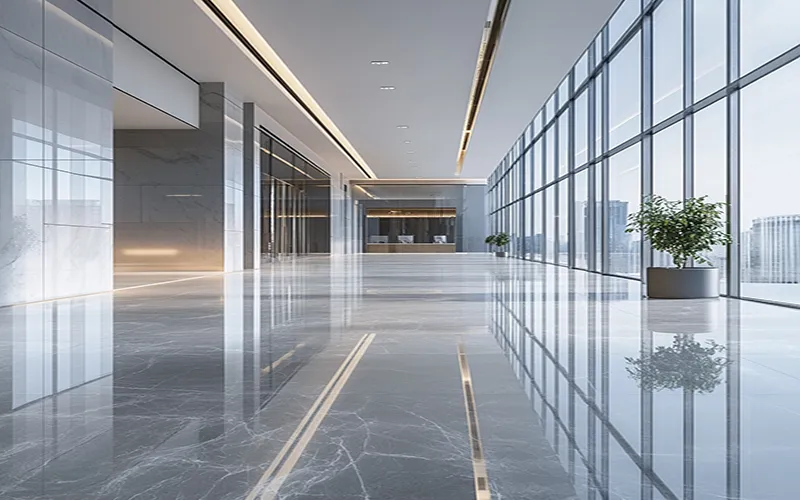















Durable Surfaces for Refined Commercial Interiors
Commercial interior flooring must support daily traffic, maintenance requirements, design objectives, and long-term performance without compromising the character of the space.
Stone Market USA offers tile and natural stone surfaces for offices, hotels, retail stores, restaurants, showrooms, corporate interiors, reception areas, common spaces, and other commercial environments.
Available materials include porcelain, marble, limestone, travertine, and selected specialty surfaces in a wide range of colors, formats, textures, finishes, and thicknesses.
What Makes a Strong Commercial Flooring Solution?
The right commercial floor should balance appearance, traffic, maintenance, installation requirements, safety, and long-term project performance.
Traffic Performance
Suitable products can support frequent pedestrian use in offices, hotels, restaurants, retail spaces, and public areas.
Architectural Design
Refined colors, textures, formats, and finishes support contemporary, luxury, corporate, hospitality, and retail interiors.
Maintenance Planning
Material and finish selection can simplify routine cleaning while supporting the expected appearance of the environment.
Project Flexibility
Multiple sizes, colors, edge treatments, and formats allow flooring to coordinate with walls, furniture, lighting, and brand identity.
Commercial Flooring Materials
Compare material character, traffic suitability, maintenance, finish, variation, format, and installation requirements before selecting a commercial floor.
Porcelain Tile
Low-absorption porcelain in stone-look, concrete-look, wood-look, matte, polished, textured, and large-format options for modern commercial environments.
Explore porcelainMarble
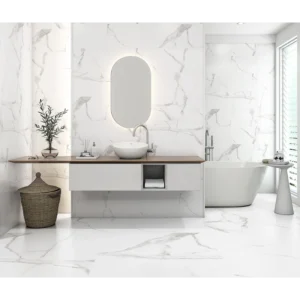
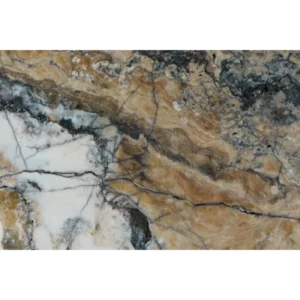
Distinctive natural veining and refined color movement for lobbies, reception areas, luxury retail, hospitality, and executive interiors.
Explore marbleLimestone
Soft neutral tones and understated natural texture for offices, hospitality spaces, retail interiors, and calm architectural environments.
Explore limestoneTravertine
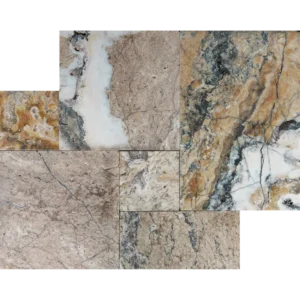
Warm natural movement and classic architectural character for hospitality, restaurants, boutique interiors, and selected commercial applications.
Explore travertineWhere Can Commercial Tile Flooring Be Used?
Product suitability depends on traffic, material, finish, maintenance, moisture, slip considerations, substrate, and the complete installation system.
- Corporate offices: Reception areas, conference rooms, corridors, executive spaces, break rooms, and shared work environments.
- Hotels and hospitality: Lobbies, lounges, guest circulation areas, restaurants, bars, spas, and selected guest-room applications.
- Retail environments: Boutiques, showrooms, shopping areas, display zones, entrances, and checkout spaces.
- Restaurants and cafés: Dining areas, waiting zones, service areas, bars, and carefully specified back-of-house spaces.
- Healthcare and professional interiors: Reception areas, offices, waiting rooms, corridors, and selected clinical or service environments.
- Multi-use buildings: Common areas, elevator lobbies, hallways, amenity spaces, and building entrances.
Choosing Commercial Interior Flooring
Select flooring according to the complete visual and technical requirements of the project.
- Traffic level: Evaluate expected pedestrian volume, rolling loads, furniture movement, carts, equipment, and entrance debris.
- Surface finish: Matte, honed, polished, textured, or other finishes affect appearance, maintenance, traction, and light reflection.
- Tile format: Large-format tiles create cleaner lines, while smaller formats can support detailed layouts and transitions.
- Color and pattern: Coordinate flooring with furniture, lighting, wall finishes, signage, branding, and adjacent materials.
- Maintenance: Consider cleaning frequency, stain exposure, grout, sealing, replacement access, and facility operations.
- Technical suitability: Confirm ratings, thickness, substrate, slip resistance, installation system, and applicable project requirements.
Coordinate Flooring with the Complete Interior
Commercial flooring should support the architectural concept, furniture plan, lighting, brand identity, circulation, wall finishes, and operational requirements of the space.
Review samples under the actual lighting conditions and compare how the material appears across a larger installed area rather than selecting from a small image alone.
Plan for Cuts, Phasing, and Future Repairs
Commercial projects may require additional material for cuts, breakage, pattern alignment, natural variation, transitions, phased installation, maintenance stock, and future repairs.
Confirm lead times, delivery access, pallet quantities, storage conditions, installation schedule, freight handling, and job-site coordination before ordering.
Protecting Commercial Flooring
Long-term performance depends on suitable material selection, installation, cleaning, maintenance, entrance protection, and facility management.
Use Entry Protection
Entry mats and maintenance zones help reduce tracked moisture, grit, soil, and abrasive debris.
Follow a Cleaning Plan
Use cleaning products and methods appropriate for the material, finish, grout, sealer, and facility conditions.
Protect Furniture
Use suitable protection beneath furniture, fixtures, and movable equipment to reduce scratching and impact.
Maintain Spare Material
Retain pieces from the original lot to support future replacement, repair, expansion, or facility alterations.
Commercial Flooring FAQs
Helpful answers for comparing commercial flooring materials, traffic requirements, finishes, maintenance, quantities, samples, and project planning.
What is the best flooring for a commercial interior?
The best flooring depends on traffic, moisture, cleaning, desired appearance, slip considerations, substrate, installation system, budget, and long-term maintenance expectations.
Is porcelain suitable for high-traffic commercial areas?
Suitable porcelain products are frequently used in commercial environments because of their low water absorption, design flexibility, and available performance ratings. Confirm the specific product.
Can natural stone be used in commercial interiors?
Yes. Marble, limestone, travertine, and other natural stones may be considered when the material, finish, traffic, maintenance, sealing, and installation system are appropriate for the project.
Should polished flooring be used in busy areas?
Polished surfaces require careful evaluation of traffic, moisture, cleaning, slip considerations, maintenance, and the intended environment. A different finish may be preferable in some areas.
How much extra flooring material should be ordered?
Additional material may be required for cuts, breakage, pattern alignment, natural variation, phased work, attic stock, future repairs, and project complexity.
Can Stone Market USA provide commercial project samples?
Sample availability depends on the individual product. Contact Stone Market USA to confirm samples, current inventory, finishes, colors, sizes, lead times, and expected variation.
Does Stone Market USA ship commercial flooring nationwide?
Stone Market USA supports projects throughout the United States. Freight method, delivery cost, lead time, and handling requirements depend on the product, quantity, weight, destination, and availability.
Planning a Commercial Flooring Project?
Contact Stone Market USA for assistance comparing commercial flooring materials, finishes, sizes, colors, quantities, samples, freight options, and current availability.