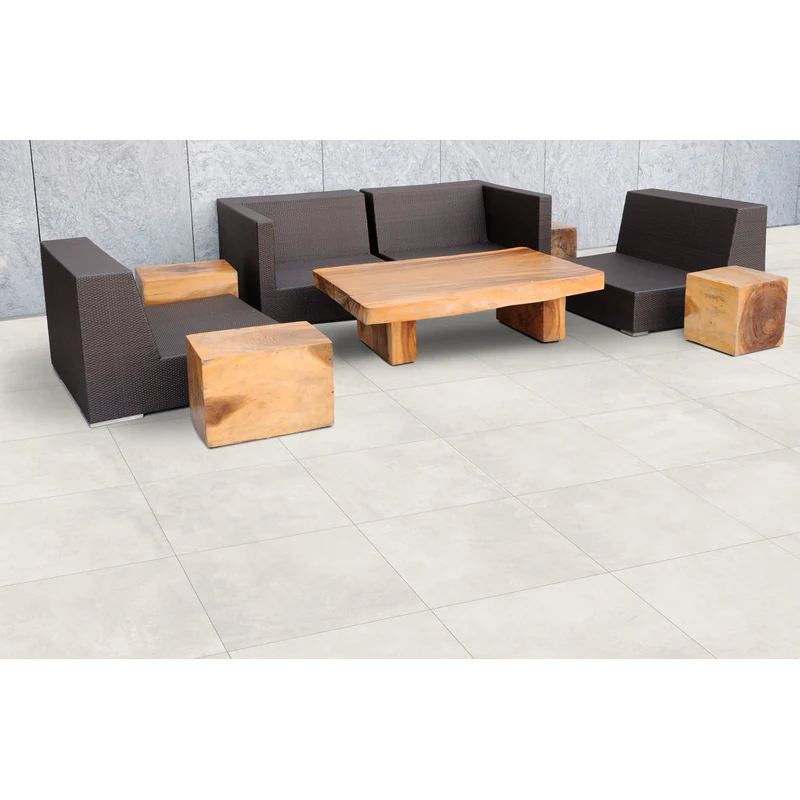
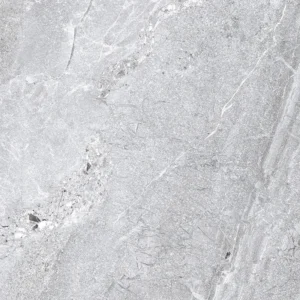
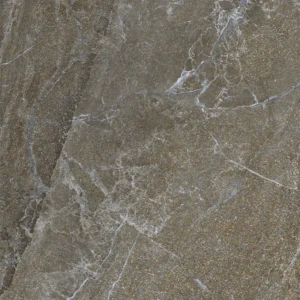
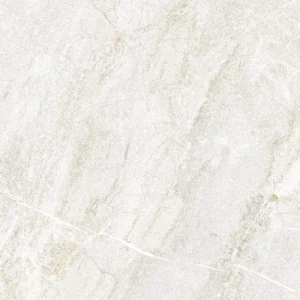
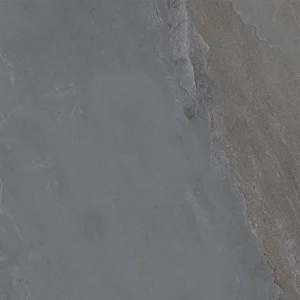
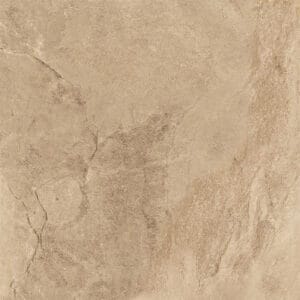
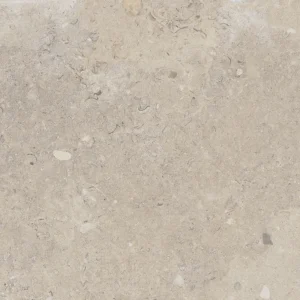
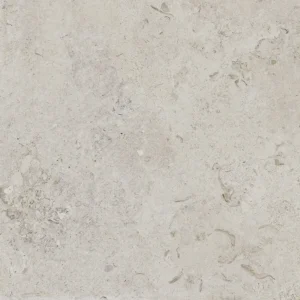
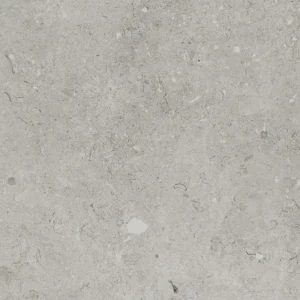
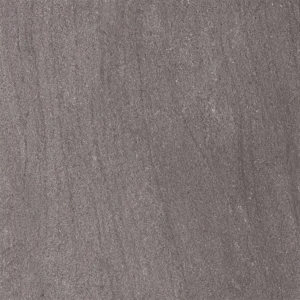
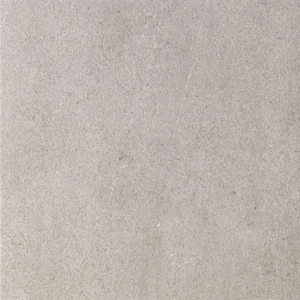
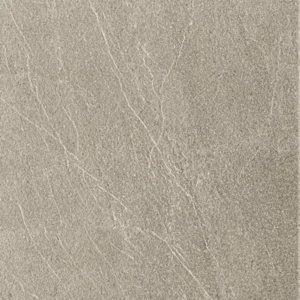
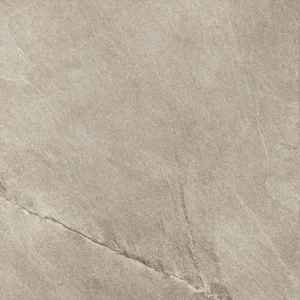
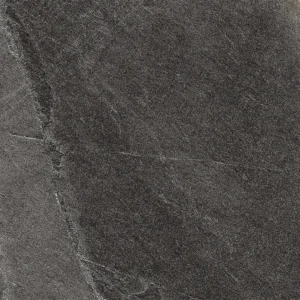
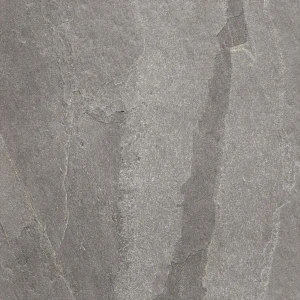
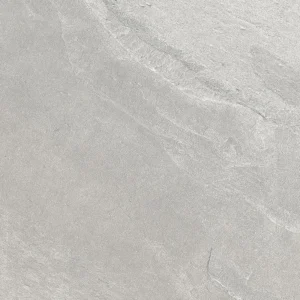
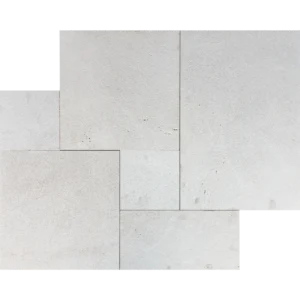
Parker White 24×24 2CM Porcelain Paver – Natural
The Parker White 24×24 2CM Porcelain Paver brings a clean, modern look to outdoor spaces. Its refined white tone and natural finish create a fresh, versatile canvas that pairs beautifully with contemporary architecture and classic landscapes alike.
Engineered in a robust 20 mm (2CM) thickness, this porcelain paver is built for exterior projects. Rectified edges support crisp lines and balanced joints, while the low‑maintenance surface and proven frost resistance help deliver lasting performance across seasons.
Use the large-format 24×24 size to craft streamlined grids, mix with complementary materials, or extend interior design cues outdoors for a cohesive look throughout your home.
Features
- 24×24 large-format 20 mm (2CM) porcelain paver
- White color with a Natural finish
- Rectified edges for clean, consistent joint lines
- PEI 4 wear rating for durable performance
- Frost resistant for year-round outdoor use
- Low maintenance and easy to clean
- Approx. 7.75 sq ft per box coverage (24×24)
- 3/4 in thickness for sturdy outdoor applications
Recommended Applications
- Patios
- Walkways
- Garden Paths
- Courtyards
- Outdoor Kitchens
- Outdoor Living Areas
- Rooftop Terraces
- Exterior Entryways
Installation Guide – Parker White 24×24 2CM Porcelain Paver – Natural
Important Advisory
Always follow manufacturer instructions, local building codes, substrate and drainage requirements, and current industry standards (e.g., TCNA/ANSI) before starting any project.
Step 1: Layout & Planning
- Dry-lay pavers to review shade range, size calibration, and layout before installation.
- Plan patterns and cuts to achieve balanced joints and avoid narrow sliver cuts at edges.
- Establish reference lines with chalk or a laser to maintain straight courses and confirm proper slope for drainage away from structures.
Step 2: Paver Installation
- Install 24×24 porcelain pavers over a properly prepared and compacted sand setting bed, a bonded mortar bed, or an adjustable pedestal system approved for 2CM porcelain.
- Verify adequate slope and site drainage per local codes and project requirements.
- Maintain consistent joint spacing (typically about 1/8"–3/16") using appropriate spacers suited to rectified edges.
- Set each paver gently with a rubber mallet to ensure full support without chipping the rectified edges or surface.
- Check alignment, flatness, and joint consistency frequently, and incorporate movement joints per standards and site conditions.
Step 3: Cutting
- Use a wet saw with a premium diamond blade rated for porcelain to achieve clean cuts.
- Support the paver fully during cutting to minimize edge chipping and improve accuracy.
- Measure carefully and mark clearly before every cut; wear appropriate PPE.
- Avoid dry cutting when possible and control dust per safety regulations.
Step 4: Joint Filling
- For sand-set installations, fill joints with polymeric sand or another jointing material approved for porcelain pavers and exterior use.
- For mortar-set installations, use an exterior-grade grout per manufacturer guidance; clean as you go to prevent haze.
- On pedestal systems, follow the pedestal and spacer manufacturer’s recommendations for joint treatment and perimeter restraint.
- Remove all excess jointing material from the surface before curing and final cleaning.
Step 5: Cleaning & Maintenance
- Clean routinely with water and a pH-neutral cleaner using non-abrasive tools.
- Avoid acidic, bleach-based, or abrasive products that may harm surrounding materials or finishes.
- Promptly remove construction residues and grout haze per manufacturer recommendations.
- Porcelain pavers generally do not require sealing; inspect joints, borders, and drainage periodically and maintain as needed.
Disclaimer
Shade and size variation can occur between production runs; verify caliber and dye lot before installation. Inspect all materials prior to install—installed materials are considered accepted. Professional installation is recommended to ensure code compliance, structural integrity, and long-term performance.