

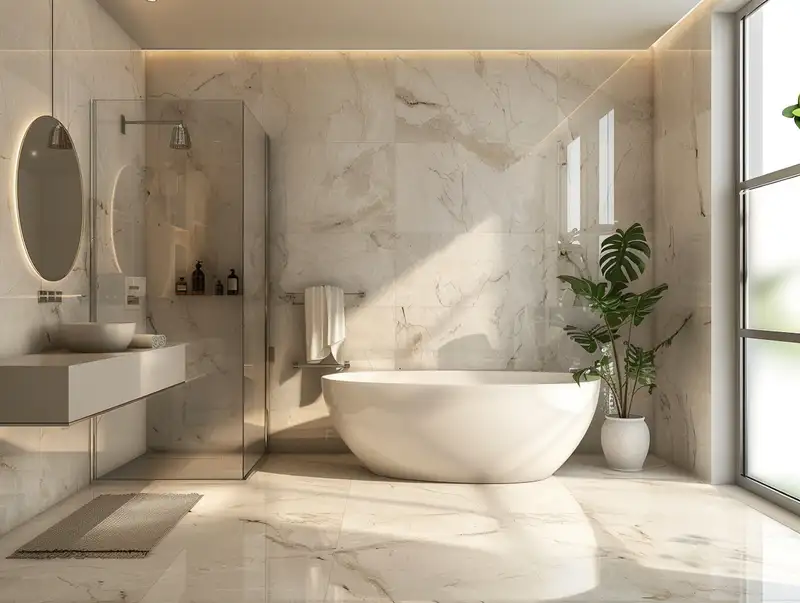









Materials Designed Around Beauty, Water Exposure & Daily Use
Bathroom tile selection should balance visual character with substrate preparation, waterproofing, drainage, cleaning requirements, grout, finish, and expected foot traffic.
Shower walls, shower floors, bathroom floors, niches, tub surrounds, and vanity areas do not always require the same product characteristics. Tile dimensions, surface texture, sheet format, grout-joint frequency, and installation details should be evaluated for each location.
Explore coordinating materials through our marble , travertine , limestone , and dolomite tile collections.
Why Choose Tile for Bathrooms and Showers?
Correct performance depends on the complete installation, including the selected tile, substrate, waterproofing, setting materials, grout, sealant, drainage, and maintenance.
Wet-Area Coverage
Properly specified and installed tile creates a finished surface for shower walls, floors, tub surrounds, vanities, and other moisture-exposed areas.
Design Flexibility
Large-format tile, mosaics, borders, geometric patterns, trims, and decorative inserts support a wide range of interiors.
Material Coordination
Coordinate floors, shower walls, niches, vanities, countertops, fixtures, hardware, and surrounding finishes.
Finish Variety
Polished, honed, matte, textured, and mixed finishes create different levels of reflection, texture, and visual depth.
Architectural Detail
Niches, benches, borders, feature walls, moldings, and patterned floors create a more complete bathroom design.
Where Bathroom and Shower Tile Can Be Used
Confirm product suitability for the exact application, particularly for submerged, exterior, steam-shower, shower-floor, and high-traffic conditions.
Shower Walls
Large-format tiles, subway formats, mosaics, and decorative patterns create continuous surfaces around shower enclosures and wet walls.
Shower Floors
Smaller tiles and mosaics can follow shower slopes more easily and introduce additional grout joints. Verify the product’s intended use and test data.
Bathroom Floors
Select tile according to traffic, footwear, water exposure, finish, grout, maintenance, and applicable slip-resistance requirements.
Vanity Backsplashes
Protect the wall behind faucets and sinks while coordinating countertops, mirrors, lighting, cabinetry, and fixtures.
Niches and Benches
Mosaics, matching tiles, trim pieces, and contrasting materials can define recessed storage and seating details.
Tub Surrounds and Feature Walls
Extend tile around tubs, behind freestanding fixtures, or across full-height walls for a stronger architectural statement.
Popular Materials for Bathroom Interiors
Each stone has its own visual character, porosity, finish options, variation, care requirements, and application considerations.
Marble Tile
Natural veining and varied color movement create refined floors, walls, showers, vanities, niches, and decorative details.
Explore marbleDolomite Tile
Crisp white and soft gray tones create bright, calm surfaces for contemporary and transitional bathrooms.
Explore dolomite tileLimestone Tile
Cream, beige, ivory, and gray tones introduce subtle fossils, mineral markings, and a softer architectural appearance.
Explore limestoneTravertine Tile
Warm tonal movement and natural pores suit Mediterranean, traditional, rustic, and organic bathroom designs.
Explore travertineMosaic Tile
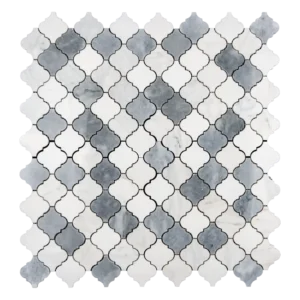
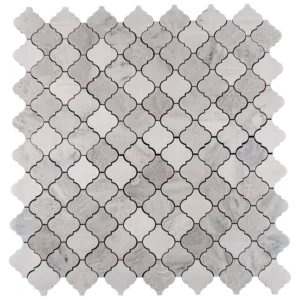
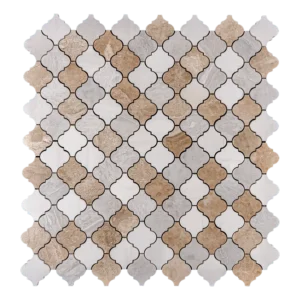
Smaller pieces mounted on sheets support shower slopes, niches, borders, curved areas, and detailed decorative layouts.
Explore mosaicsDecorative Patterns
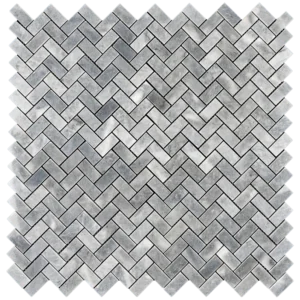
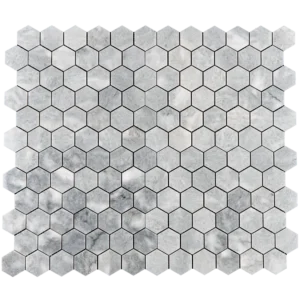
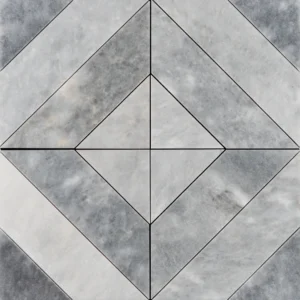
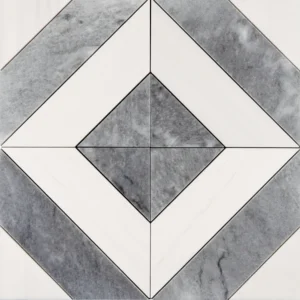
Herringbone, hexagon, basket weave, arabesque, geometric, and mixed-stone patterns create focal areas and stronger visual movement.
Shop by patternChoose Tile by Application, Not Appearance Alone
The same tile may not be appropriate for every bathroom surface. Review technical requirements before finalizing the design.
- Shower walls: Consider size, weight, layout, cuts, waterproofing, grout, niches, valves, and edge details.
- Shower floors: Confirm slope compatibility, tile format, grout-joint frequency, drainage, and intended application.
- Bathroom floors: Evaluate traffic, water, cleaning, finish, footwear, grout, and applicable performance data.
- Natural stone: Consider porosity, variation, sealing, acids, cosmetics, soaps, and cleaning products.
- Samples: Review products with the actual room lighting, cabinets, counters, fixtures, paint, and flooring.
Balance Tile Size, Texture and Grout Detail
Large tiles create broader visual surfaces, while mosaics introduce additional grout joints and pattern detail.
- Large-format tile: Can reduce visible grout lines but requires appropriate substrate flatness and installation planning.
- Mosaics: May follow curves and slopes more easily, but require careful sheet alignment and grout work.
- Polished finishes: Reflect more light but may require additional evaluation for wet-floor use.
- Honed and matte finishes: Create a softer look, but suitability still depends on the specific product and application.
- Grout color: Similar grout creates continuity; contrasting grout emphasizes the shape and layout.
Waterproofing Is Separate from the Tile Surface
Tile and grout are the visible finish. The complete wet-area assembly must include a suitable substrate, waterproofing system, drainage, penetrations, joints, and compatible installation materials.
- Prepare the substrate: Surfaces should be stable, properly sloped where required, clean, flat, and suitable for the installation system.
- Use compatible materials: Follow tile, stone, waterproofing, mortar, grout, sealant, and manufacturer instructions.
- Plan penetrations: Valves, drains, faucets, niches, benches, corners, and transitions require careful detailing.
- Use movement and perimeter joints: Do not fill required movement locations with rigid grout unless specified by the installation system.
Inspect and Blend Material Before Installation
Natural stone and decorative tile should be reviewed before setting begins.
- Confirm the product: Check material, finish, dimensions, shade, quantity, visible damage, and intended application.
- Blend multiple boxes: Distribute color, veining, fossils, and natural variation across the installation.
- Dry-lay focal areas: Review range, niche, vanity, floor, border, and feature-wall patterns before setting.
- Order additional material: Allow for cuts, breakage, pattern alignment, selection, and future repairs.
Maintaining Bathroom Tile and Natural Stone
Care requirements depend on the material, finish, grout, sealer, water quality, ventilation, cleaning routine, and frequency of use.
Use Suitable Cleaners
Natural stone generally requires a pH-neutral, stone-safe cleaner and non-abrasive cleaning tools.
Improve Ventilation
Proper ventilation and routine drying can reduce persistent moisture, soap residue, and surface buildup.
Maintain Grout and Sealant
Inspect grout, corners, perimeter joints, sealant, drain areas, and fixture penetrations periodically.
Seal When Recommended
Sealing and resealing depend on the stone, finish, grout, exposure, cleaning routine, and selected sealer.
Bathroom & Shower Tile FAQs
Helpful answers about shower floors, natural stone, finishes, sealing, waterproofing, cleaning, samples, and installation.
Can any tile be used on a shower floor?
No. Confirm the product’s intended application, dimensions, surface characteristics, test data, drainage compatibility, and manufacturer guidance. Smaller formats are often easier to install over shower slopes, but size alone does not establish suitability.
Is honed tile automatically slip-resistant?
No. Slip performance depends on the specific tile, finish, surface texture, water, contaminants, grout-joint frequency, footwear, maintenance, and applicable test results.
Can marble be used in a bathroom or shower?
Suitable marble may be used in bathroom applications. Consider porosity, veining, finish, moisture, sealing, water chemistry, cleaning products, acids, soaps, cosmetics, and installation methods.
Does bathroom tile make the shower waterproof?
Tile and grout form the visible surface, but the shower also requires a properly designed waterproofing, substrate, drainage, joint, and penetration system.
Does natural stone bathroom tile need sealing?
Many natural stones benefit from an appropriate penetrating sealer. Requirements and frequency depend on the material, finish, location, grout, exposure, cleaning routine, and selected sealer.
Are mosaics suitable for shower floors?
Selected mosaics may be suitable because their smaller pieces can follow shower slopes. Confirm the specific product’s backing, adhesive, material, finish, sheet construction, intended application, and installation requirements.
Can I order bathroom tile samples?
Sample availability varies by product. Review the product page or contact Stone Market USA to confirm material, color, finish, dimensions, mosaic format, stock, and available sample options.
Need Help Selecting Bathroom or Shower Tile?
Contact Stone Market USA for assistance comparing materials, finishes, tile sizes, mosaic patterns, quantities, samples, application options, and current availability.