














Bright Natural Marble for Timeless Interior Surfaces
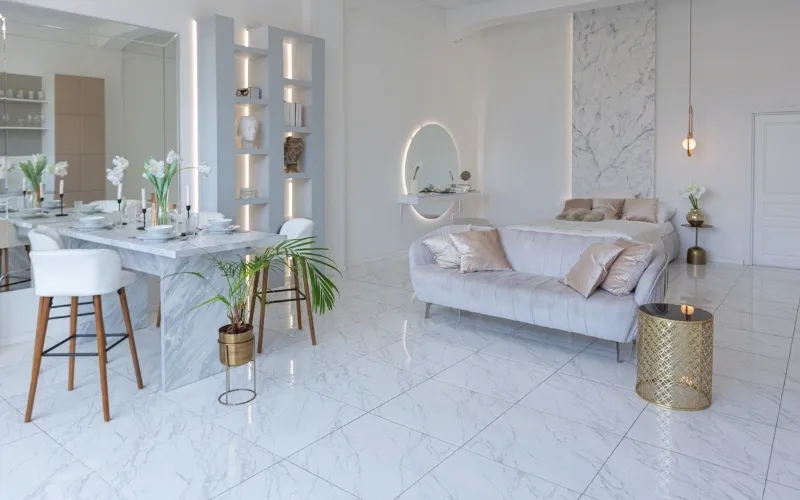
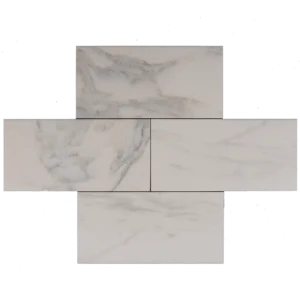
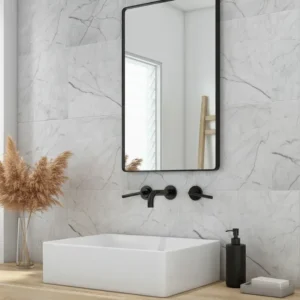
White marble tiles combine luminous natural color, distinctive veining, and refined stone character for floors, bathroom walls, showers, kitchens, living spaces, entryways, fireplaces, and architectural features.
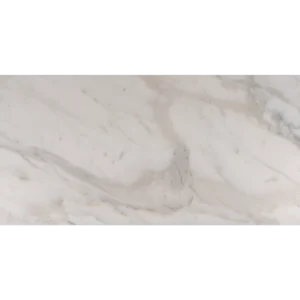
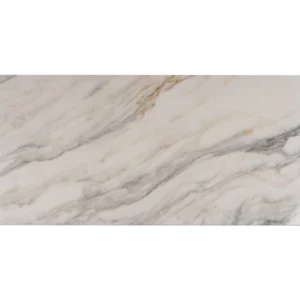
Natural white marble is not a perfectly uniform white surface. Depending on the selection, tiles may range from crisp white and silver-white to soft ivory, pale cream, or light gray, with veins and mineral movement that can appear subtle, cloudy, linear, or dramatically expressive.
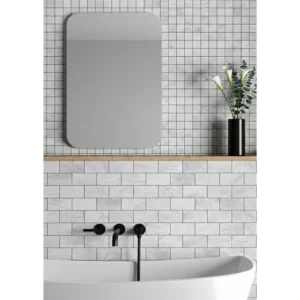
White marble tiles can be coordinated with marble mosaics , borders, thresholds, natural stone moldings , and complementary marble tiles to create coordinated interior surfaces.
Why Choose White Marble Tile?
White marble provides a light, architectural foundation while preserving the depth, variation, and individuality of genuine natural stone.
Bright Visual Character
White, ivory, and pale stone backgrounds can create a clean, open appearance across floors and walls.
Natural Veining
Gray, silver, charcoal, beige, and subtle warm veins introduce movement and depth into the light marble surface.
Interior Versatility
Suitable white marble tiles can support floors, walls, bathrooms, showers, kitchens, and feature areas.
Finish Options
Polished, honed, brushed, and other finishes create different levels of sheen, texture, and visual depth.
Timeless Design
White marble works naturally with modern, traditional, transitional, minimalist, and luxury interior styles.
Where Can White Marble Tiles Be Used?
Application suitability depends on the specific marble, finish, dimensions, thickness, traffic, moisture exposure, substrate, installation system, sealing, and maintenance requirements.
Living Rooms & Interior Floors
White marble floor tiles can create a continuous, light-reflective surface across living rooms, dining areas, hallways, foyers, and other carefully specified interiors.
Bathroom Floors & Walls
White marble can coordinate vanity walls, bathroom floors, tub surrounds, niches, and architectural details within a cohesive natural stone palette.
Shower Walls & Niches
Suitable white marble tiles may be used on shower walls and selected wet-area surfaces when waterproofing, drainage, finish, grout, sealing, and maintenance are properly planned.
Kitchens & Backsplashes
White marble tile can introduce natural veining behind countertops, ranges, bars, islands, and other kitchen features while coordinating with cabinetry and countertops.
Fireplaces & Feature Walls
Use white marble to frame fireplaces, entertainment walls, entry features, decorative panels, and other architectural focal points.
Commercial & Hospitality Interiors
Suitable white marble tiles may support selected hotel, retail, lobby, restaurant, showroom, office, and multifamily interior applications.
White Marble Is Naturally More Than One Shade
“White marble” describes a family of naturally light stones rather than a manufactured solid-white color. Background tone, veining, mineral composition, and crystalline structure can vary significantly between selections and individual tiles.
Crisp White & Silver-White
Cooler selections may feature clean white or silver-white backgrounds with fine gray, silver, or charcoal movement for a crisp architectural appearance.
Soft White & Ivory
Warmer white marble may contain ivory, cream, beige, or subtle golden undertones that soften the overall appearance and coordinate naturally with warmer interiors.
Gray & Expressive Veining
Veining can range from delicate linear movement to bold, flowing patterns. The amount and contrast of veining strongly influence the finished room's visual character.
White Marble Tile Finishes
Finish affects how white marble reflects light, displays veining, feels underfoot, responds to wear, and performs in different interior applications.
Polished White Marble
Polishing creates a smooth reflective surface that can increase visual depth and emphasize white backgrounds, crystalline detail, and contrasting veins. Explore polished marble tiles for suitable interior applications.
Honed White Marble
Honing creates a smooth matte or low-sheen surface that softens reflection and can give white marble a quieter, contemporary character. Explore honed marble tiles for understated natural stone surfaces.
Brushed & Textured White Marble
Brushed, tumbled, and related textured finishes can introduce additional tactile character for selected walls, bathrooms, floors, decorative areas, and traditional or transitional interiors.
Variation Gives White Marble Its Individual Character
White marble tiles should be reviewed across multiple boxes before installation so differences in background color, veining, crystalline detail, and mineral movement can be intentionally distributed.
Background Tone
Individual tiles may shift between white, ivory, silver-white, pale cream, and subtle light-gray tones.
Veining
Veins may be fine and understated or bold and expressive, with gray, silver, charcoal, beige, or warmer mineral tones.
Mineral & Crystal Detail
Crystalline areas, deposits, fissures, pores, and other geological markings can naturally occur within marble.
Lighting Response
White marble can appear cooler, warmer, brighter, or more contrasted under daylight, artificial lighting, wet conditions, and different surface finishes.
Choosing the Right White Marble Tile
Compare more than the word “white.” Background tone, veining, finish, tile size, application, traffic, moisture, maintenance, and surrounding materials all influence the final result.
- Background tone: Decide whether the room works best with crisp white, silver-white, soft ivory, pale cream, or a slightly warmer white marble.
- Veining: Quiet veining creates a restrained surface, while stronger gray or charcoal movement becomes a major visual element in the room.
- Finish: Polished, honed, and textured finishes change reflection, color depth, surface character, and application suitability.
- Tile size: Larger formats reduce grout lines and emphasize the stone, while smaller formats introduce more geometry and detail.
- Application: Confirm whether the selected tile is appropriate for floors, walls, showers, bathrooms, backsplashes, or other intended surfaces.
Design Around the White Marble Palette
White marble can act as a quiet architectural foundation or a dramatic focal material depending on veining, finish, scale, grout, lighting, and surrounding finishes.
- Coordinate cabinetry: Compare marble undertones with white, wood, gray, black, painted, or natural-finish cabinetry.
- Consider lighting: Warm and cool lighting can change how the background color and gray veining appear within the room.
- Coordinate grout: Similar grout creates a quieter continuous surface, while contrasting grout emphasizes tile geometry.
- Review metal finishes: Chrome, nickel, brass, bronze, and black fixtures create very different relationships with white marble.
- Dry-lay representative tiles: Review vein direction, tonal balance, focal areas, cuts, transitions, and neighboring materials before installation.
Prepare the Substrate for Natural White Marble
Long-term performance and finished appearance depend on substrate preparation, flatness, structural support, waterproofing where required, mortar coverage, movement accommodation, and professional installation.
- Check substrate flatness: Uneven floors or walls can contribute to lippage, inconsistent joints, alignment problems, and inadequate mortar coverage beneath the tile.
- Use marble-compatible setting materials: Select mortar, grout, membranes, sealers, and related products suitable for natural marble and the intended application.
- Consider light-colored setting materials: Some light or translucent natural stones may be influenced by materials beneath the tile. Follow the stone and setting material manufacturer's recommendations for the selected product.
- Prepare wet areas correctly: Bathrooms and showers require suitable waterproofing, slope, drainage, joints, substrate preparation, and installation details.
- Plan movement accommodation: Perimeter, expansion, and movement requirements should be incorporated into the installation design.
Allow for Vein Selection, Cuts & Future Repairs
White marble installations often require more material than the exact measured square footage. Additional tile provides flexibility for cuts, natural variation, vein placement, layout decisions, and future repairs.
- Include additional material: Allow for cuts, breakage, color selection, veining, pattern layout, borders, niches, and installation complexity.
- Blend multiple boxes: Distribute white tones, gray veining, crystalline areas, and natural variation across the complete installation rather than grouping similar tiles together.
- Inspect before installation: Review dimensions, finish, background color, veining, variation, quantity, and visible damage before permanently setting the tile.
- Retain spare tiles: Keeping material from the original production lot can make future repairs or alterations easier to coordinate.
- Confirm coordinating pieces: Order mosaics, moldings, thresholds, borders, trims, and other related materials before installation begins.
Caring for White Marble Tiles
White marble should be maintained according to the specific stone, finish, application, traffic, moisture, grout, staining exposure, and selected sealer. Appropriate routine care helps preserve its light background, natural veining, and surface character.
Remove Dust & Grit
Use soft cleaning tools to remove dust, sand, and abrasive particles that may scratch or dull white marble floor surfaces.
Use pH-Neutral Cleaner
Marble is acid-sensitive. Avoid vinegar, lemon, acidic bathroom products, abrasive powders, and cleaners not intended for natural stone.
Seal When Recommended
Sealing requirements and frequency depend on the specific marble, finish, room, moisture, staining exposure, traffic, and selected sealing product.
Clean Spills Promptly
Remove acidic liquids, oils, cosmetics, soaps, colored products, cooking residue, and other contaminants before staining or etching develops.
White Marble Tile FAQs
Helpful answers about white marble floors, bathrooms, showers, walls, kitchens, color variation, finishes, sealing, maintenance, installation, and samples.
What are white marble tiles?
White marble tiles are natural stone tiles characterized by predominantly white, ivory, silver-white, pale cream, or light gray backgrounds. Individual pieces may contain gray, silver, charcoal, beige, or other naturally occurring veins and mineral movement.
Can white marble tiles be used on floors?
Selected white marble tiles may be suitable for residential and selected commercial flooring. Confirm the specific tile's dimensions, thickness, finish, traffic suitability, substrate, setting system, maintenance, and installation requirements.
Are white marble tiles suitable for bathrooms?
Suitable white marble tiles can be considered for bathroom floors, walls, vanity areas, tub surrounds, and decorative features. Moisture exposure, finish, traction, waterproofing, sealing, grout, and cleaning requirements should be evaluated for the specific application.
Can white marble tile be used in showers?
Suitable white marble tiles may be used on shower walls and selected shower surfaces when waterproofing, drainage, slope, finish, grout, setting materials, sealing, and maintenance requirements are properly addressed.
Is white marble tile suitable for kitchen backsplashes?
White marble tile can be used for kitchen backsplashes, range walls, bars, and decorative features. Exposure to oils, food, acidic liquids, heat, staining, and cleaning products should be considered when selecting and maintaining the stone.
Is all white marble the same color?
No. Natural white marble may range from crisp white and silver-white to ivory, pale cream, and light gray. Veining may also appear in gray, silver, charcoal, beige, taupe, or warmer mineral tones.
Why does white marble tile vary in veining?
Marble is formed through natural geological processes. Differences in minerals, pressure, crystalline structure, and stone formation create variation in vein direction, width, color, intensity, and overall movement.
What is the difference between polished and honed white marble?
Polished white marble has a smoother, more reflective surface that can emphasize color depth and veining. Honed marble has a matte or low-sheen appearance that creates a softer visual character. Application suitability and maintenance requirements differ by product and location.
Does white marble tile need to be sealed?
Many natural marble installations may benefit from an appropriate penetrating sealer. Requirements and resealing frequency depend on the specific stone, finish, application, moisture, traffic, staining exposure, and selected product.
Does white marble stain easily?
Staining risk depends on the marble's porosity, finish, exposure, maintenance, sealing, and the substances contacting the surface. Because the background is light, some stains or residue may also be more visually noticeable on white marble.
How should white marble tile be cleaned?
Use cleaning methods and pH-neutral products appropriate for natural stone. Avoid vinegar, lemon, acidic bathroom cleaners, abrasive powders, and other products that may etch or damage marble.
How much extra white marble tile should I order?
Additional material should be considered for cuts, breakage, color and vein selection, pattern layout, niches, borders, project complexity, and future repairs. The appropriate allowance depends on the individual project and layout.
Should white marble tiles be blended before installation?
Yes. Reviewing and blending tiles from multiple boxes before installation helps distribute background tones, veining, crystalline areas, and natural variation across the finished surface.
Can I order samples of white marble tiles?
Sample availability depends on the individual product. Review the product page or contact Stone Market USA to confirm white marble color, veining, finish, size, thickness, inventory, and current sample options.
Need Help Selecting White Marble Tiles?
Contact Stone Market USA for assistance comparing white marble shades, veining, polished and honed finishes, tile sizes, floor, bathroom, shower and wall applications, quantities, coordinating mosaics, moldings, samples, and current availability.