














Natural Marble with a Refined, Reflective Finish
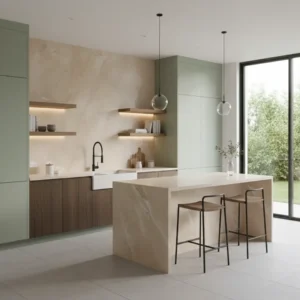
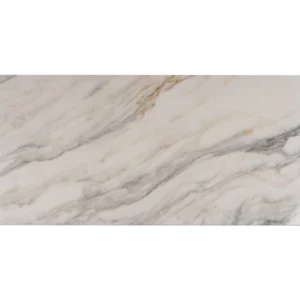
Polished marble tiles combine authentic natural stone with a smooth, reflective surface that enhances color depth, veining, and the distinctive mineral character of marble.
The polishing process creates a higher-sheen finish that interacts strongly with light. In bright interiors, polished marble can produce a refined, luminous appearance while making natural veining and tonal movement more visible across the surface.
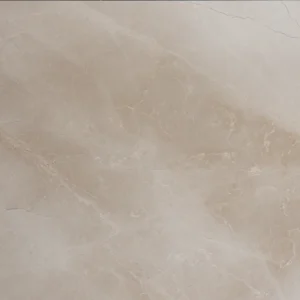
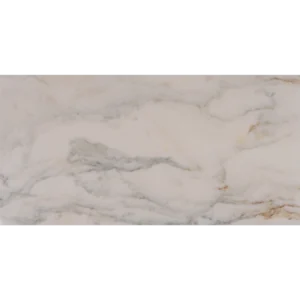
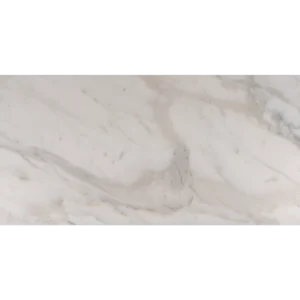
Because marble is formed naturally, no two pieces are exactly alike. Differences in veins, mineral deposits, crystalline areas, fissures, tone, and surface character are expected and contribute to the individuality of the finished installation.
Explore the polished marble tiles above by color, size, collection, application, thickness, edge type, and other available specifications. You can also browse the broader marble tile collection to compare additional finishes.
Why Choose Polished Marble Tile?
A polished finish emphasizes many of the qualities that make natural marble distinctive, including color variation, stone depth, veining, and its response to architectural lighting.
Reflective Finish
The smooth surface reflects ambient and artificial light, creating a brighter and more refined visual effect.
Enhanced Veining
Polishing can deepen visual contrast and make natural veins, mineral movement, and tonal variation more pronounced.
Timeless Character
Polished marble supports traditional, transitional, contemporary, and luxury interiors without relying on temporary design trends.
Multiple Formats
Square, rectangular, subway, and larger-format options support different room proportions, layouts, and architectural applications.
Coordinated Materials
Polished marble tiles can coordinate with mosaics, moldings, thresholds, countertops, cabinetry, metals, and surrounding finishes.
Where Can Polished Marble Tiles Be Used?
Application suitability depends on the specific marble, dimensions, finish, traffic, moisture exposure, substrate, installation system, maintenance expectations, and manufacturer recommendations.
Bathroom Walls
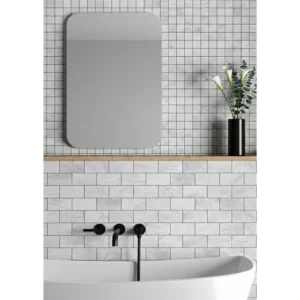
Polished marble can create luminous vanity walls, tub surrounds, decorative panels, and coordinated bathroom surfaces with strong natural stone character.
Shower Walls & Niches
Suitable polished marble may be considered for shower walls and niches when waterproofing, sealing, grout, installation, and ongoing maintenance are properly planned.
Kitchen Backsplashes
Reflective marble surfaces bring depth and natural movement behind countertops, ranges, bars, open shelving, and decorative kitchen features.
Interior Floors
Selected polished marble tiles may be appropriate for interior floors where traffic, slip considerations, maintenance, and surface exposure have been carefully evaluated.
Fireplace Surrounds
Natural veining and surface reflection can create distinctive fireplace surrounds and architectural focal points in living rooms and formal spaces.
Feature Walls
Use polished marble to create statement surfaces in entries, powder rooms, living areas, hospitality spaces, and selected commercial interiors.
Polished Marble vs. Honed Marble
Both finishes reveal authentic marble, but the surface treatment changes how the stone looks, reflects light, responds to wear, and performs in different environments.
Polished Marble
Polished marble has a smooth, reflective surface that typically increases visual depth and makes veins and mineral details appear more pronounced. It creates a formal and luminous appearance, particularly on walls and carefully specified interior surfaces.
Because the finish is highly reflective, scratches, etching, water marks, and changes in surface sheen may also be more noticeable.
Honed Marble
Honed marble has a matte or low-sheen surface that produces a softer, more understated appearance. Colors may appear slightly quieter and reflections are reduced compared with polished stone.
Honed finishes are often considered where a less reflective aesthetic is preferred or where minor surface wear should appear less prominent.
Polishing Makes Marble’s Natural Variation More Visible
Review tiles from multiple boxes before installation so veining, color movement, crystalline detail, and natural geological variation can be intentionally distributed across the complete surface.
Veining
Polished surfaces can highlight everything from fine linear veins to bold directional movement within individual pieces.
Color Depth
The polished finish often creates richer perceived color and stronger contrast between veins and surrounding stone.
Mineral Detail
Crystalline areas, deposits, fissures, pores, mineral markings, and other geological features may naturally occur.
Light Reflection
The same marble may appear different under daylight, warm lighting, cool lighting, shade, or changing viewing angles.
Choosing the Right Polished Marble Tile
Review both the visual character of the marble and the practical requirements of the installation before making a final selection.
- Application: Confirm that the individual product is appropriate for the intended floor, wall, backsplash, bathroom, shower, or commercial use.
- Color: White and lighter marble can create an airy appearance, while beige, gray, brown, and strongly veined stones provide different levels of contrast.
- Tile size: Larger formats create broader uninterrupted stone surfaces, while smaller formats introduce additional grout lines and visual rhythm.
- Veining: Consider whether you prefer subtle movement or a more expressive natural pattern across the installation.
- Maintenance: Evaluate exposure to water, acids, cosmetics, food, traffic, scratching, cleaning products, and everyday wear.
Coordinate Marble with the Complete Room
Polished marble should be reviewed together with cabinetry, countertops, paint, grout, plumbing fixtures, lighting, metal finishes, flooring, and other nearby materials.
- Grout color: A coordinating grout can soften individual joints, while stronger contrast emphasizes tile geometry.
- Lighting: Polished surfaces respond strongly to natural and artificial light, so review samples under the actual project lighting whenever possible.
- Metal finishes: Chrome, nickel, brass, bronze, and black fixtures can create very different relationships with polished marble.
- Coordinating mosaics: Use marble mosaics for niches, shower details, backsplashes, borders, and feature areas.
- Architectural trim: Matching natural stone moldings can help complete traditional and decorative installations.
Plan the Layout Before Setting the Tile
Because polished marble can make color and veining especially visible, careful dry-layout planning helps create a more balanced finished surface.
- Blend multiple boxes: Distribute light, dark, quiet, and strongly veined pieces instead of concentrating similar tiles in one area.
- Review vein direction: Decide whether movement should appear random, directional, symmetrical, or intentionally coordinated.
- Inspect before installation: Review color, dimensions, finish, variation, quantity, and visible condition before tiles are permanently set.
- Prepare the substrate: Flatness, structural support, mortar coverage, waterproofing, and movement requirements affect long-term performance.
- Use compatible materials: Mortars, grouts, membranes, cleaners, and sealers should be suitable for natural marble and the specific installation.
Allow for Cuts, Variation & Future Repairs
Ordering only the exact measured square footage may not provide sufficient material for natural stone selection and installation requirements.
- Allow additional material: Consider cuts, breakage, pattern layout, vein selection, corners, niches, and installation complexity.
- Retain spare tiles: Keeping material from the original order can simplify future repairs, alterations, or replacement.
- Order coordinating pieces together: Confirm mosaics, moldings, thresholds, trim, and other stone details before installation begins.
- Review lot variation: Natural stone from later shipments may differ in color, movement, finish, or geological character.
- Measure carefully: Include the complete installation area as well as cuts, transitions, and architectural details when calculating quantities.
Protecting the Polished Marble Finish
Polished marble requires appropriate care because acids, abrasive materials, grit, stains, and unsuitable cleaners can affect the appearance of the surface over time.
Use pH-Neutral Cleaner
Avoid vinegar, lemon, acidic bathroom cleaners, abrasive powders, or other products not recommended for natural marble.
Clean Spills Promptly
Acidic drinks, cosmetics, oils, soaps, food residue, and colored liquids should be removed before staining or etching develops.
Seal When Appropriate
Sealing requirements depend on the specific marble, installation, finish, exposure, selected sealer, and maintenance conditions.
Protect the Surface
Remove grit regularly and avoid abrasive tools that may scratch or dull the reflective polished finish.
Polished Marble Tile FAQs
Helpful answers about applications, floors, bathrooms, showers, slip considerations, sealing, etching, natural variation, maintenance, and ordering polished marble tile.
What is polished marble tile?
Polished marble is natural marble that has been mechanically finished to create a smooth, reflective surface. The finish typically deepens color and emphasizes veining and mineral movement.
What is the difference between polished and honed marble?
Polished marble has a higher-sheen reflective surface, while honed marble has a matte or low-sheen appearance. The finishes differ visually and can also respond differently to wear, moisture, scratching, and maintenance.
Can polished marble tile be used on floors?
Selected polished marble products may be suitable for interior flooring. Traffic, wet conditions, traction, maintenance, tile dimensions, substrate, installation, and manufacturer recommendations should all be reviewed.
Can polished marble be used in bathrooms?
Yes, suitable polished marble is commonly considered for bathroom walls, vanity areas, tub surrounds, decorative surfaces, and selected floors. Wet-area use requires appropriate installation and maintenance planning.
Is polished marble slippery when wet?
A highly polished stone surface may become more slippery when wet. Traction also depends on contaminants, footwear, wear, tile format, grout joints, maintenance, and the individual installation. Wet-floor applications should be evaluated carefully.
Does polished marble need to be sealed?
Many marble installations may benefit from an appropriate penetrating sealer. Requirements and resealing frequency depend on the marble, application, exposure, maintenance, grout, and selected sealing product.
Can polished marble etch?
Yes. Marble is sensitive to acids. Contact with substances such as citrus, vinegar, certain bathroom cleaners, food acids, or other acidic products can chemically affect the surface and create dull areas known as etching.
Why do polished marble tiles vary in color and veining?
Marble is a natural geological material. Mineral composition, veining, crystalline structure, tone, fissures, and markings naturally vary between tiles and production lots. These differences are part of authentic stone.
How should polished marble tile be cleaned?
Use cleaning products specifically suitable for natural marble, preferably a pH-neutral stone cleaner. Avoid acidic and abrasive products and test new cleaners or treatments on a spare tile before widespread use.
Can I order polished marble tile samples?
Sample availability depends on the individual product. Review the product page or contact Stone Market USA to confirm the available size, color, finish, thickness, inventory, and sample options.
Need Help Selecting Polished Marble Tiles?
Contact Stone Market USA for assistance comparing polished marble colors, sizes, veining, applications, coordinating mosaics, moldings, quantities, samples, finishes, and current product availability for your project.