


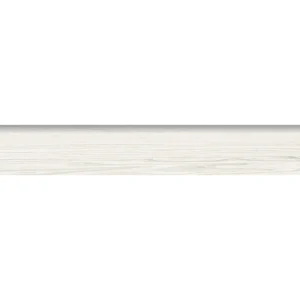
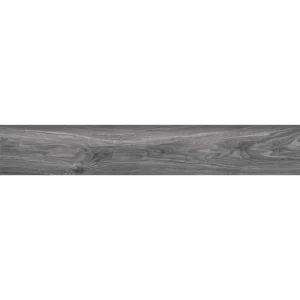
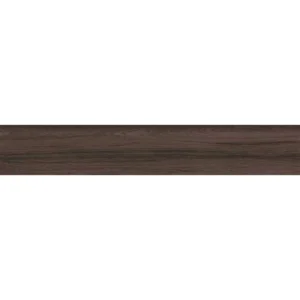
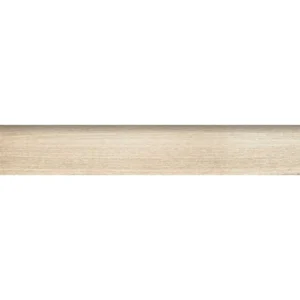



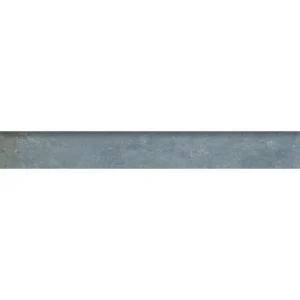
The Finishing Detail That Completes a Tile Installation
Bullnose tile is a finishing trim designed to create a smooth, intentional edge wherever the side of a tile installation would otherwise remain exposed.
Instead of ending a tiled surface with a visible unfinished edge, a bullnose piece provides a coordinated transition between the tile and the surrounding wall, opening, corner, niche, or adjacent material. This small architectural detail can make an installation look substantially cleaner and more complete.
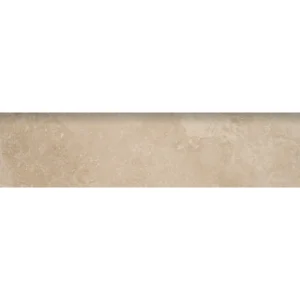
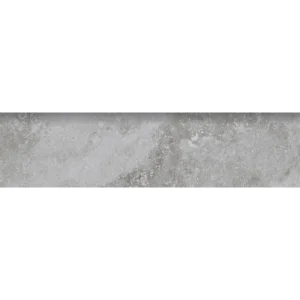
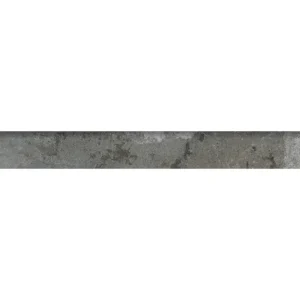
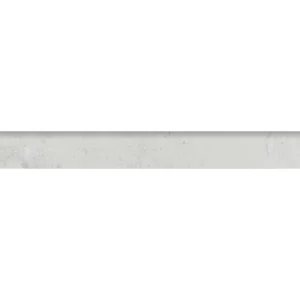
Bullnose tiles are commonly used with porcelain and ceramic field tile collections and may be manufactured in matching colors, finishes, textures, and surface designs. Depending on the collection, the finished edge may be rounded, softened, beveled, glazed, painted, or otherwise treated by the manufacturer.
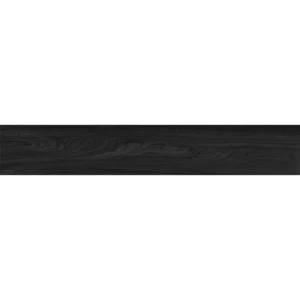
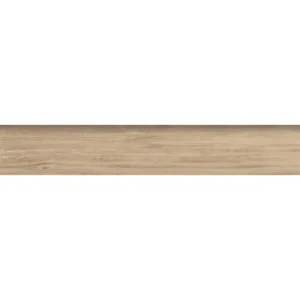
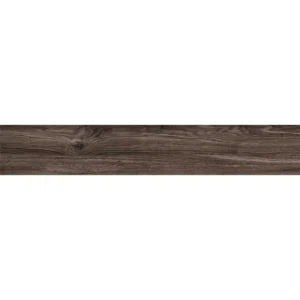
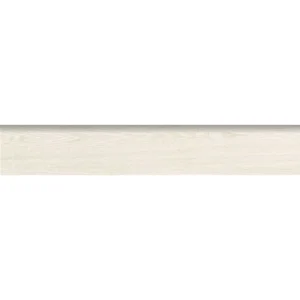
Browse the bullnose products above by material, size, color, finish, collection, thickness, edge type, and application to locate a trim piece that coordinates with your tile project.
Why Use Bullnose Tile?
Bullnose trim combines a finished appearance with practical edge protection and allows exposed tile installations to transition more naturally into surrounding surfaces.
Finished Tile Edges
Bullnose covers or finishes exposed tile edges so walls, backsplashes, niches, and other tiled surfaces end with a deliberate architectural detail.
Coordinated Appearance
Matching bullnose pieces can continue the color, texture, finish, and visual character of the field tile through the final edge of the installation.
Edge Protection
A properly installed trim piece helps protect vulnerable exposed tile edges from everyday contact, chipping, and impact.
Professional Detail
Clean transitions around showers, niches, backsplashes, wainscoting, and wall edges can give the entire installation a more finished appearance.
Where Bullnose Tile Makes a Difference
Bullnose is typically used where a tiled surface stops and an exposed edge would otherwise remain visible. The exact trim requirement depends on the layout and the tile collection.
Shower Edges
Finish the vertical outside edges of tiled shower walls and other exposed transitions between tile and surrounding wall surfaces.
Clean perimeter detailsShower Niches
Bullnose may be used around niche openings to create a finished transition between the tiled niche interior and the surrounding shower wall.
Finished niche openingsBathroom Walls
Complete partial-height tile installations, vanity walls, tub surrounds, accent sections, and exposed wall edges with coordinated trim.
Bathroom edge finishingKitchen Backsplashes
Use bullnose where a backsplash ends on an open wall, beside cabinetry, or at another visible termination point.
Refined backsplash edgesWainscoting & Wall Tile
Bullnose can provide a clean finished boundary along exposed vertical edges or selected termination points in decorative wall-tile installations.
Controlled wall transitionsFireplace Surrounds
Depending on the product and installation requirements, coordinated trim can help define exposed tile edges around fireplace surrounds and feature walls.
Architectural finishingWhere Should Bullnose Be Installed?
Identify every location where the edge of the field tile will remain visible before calculating the amount of bullnose required.
- Outside tile edges: Use trim where a tiled wall ends and transitions into a painted, plastered, or otherwise unfinished wall surface.
- Shower entrances: Bullnose can help finish exposed vertical tile edges near shower openings, depending on the installation design.
- Niche perimeters: Trim can create a finished edge around recessed shower or bathroom niches.
- Backsplash terminations: Use bullnose where a backsplash stops without terminating directly against cabinetry or another finished surface.
- Half-wall installations: Bullnose may be used along selected exposed ends of wainscoting and partial-height tiled walls.
- Feature areas: Fireplace surrounds and decorative wall installations may require trim wherever an exposed tile body would otherwise remain visible.
Choosing the Right Bullnose Tile
A bullnose should be evaluated as part of the complete tile system rather than as an independent decorative piece.
- Collection: Whenever possible, select trim produced for the same collection as the field tile to achieve better visual coordination.
- Color: Verify that the bullnose color coordinates with the field tile, particularly when the tile includes tonal movement, printing, or shade variation.
- Finish: Natural, matte, polished, textured, or other surface finishes should be compared carefully with the main tile.
- Size: Bullnose dimensions vary by collection. Confirm that the trim length works with the intended tile layout and grout joint positions.
- Thickness: Compare trim thickness with the field tile so adjoining surfaces can be installed and aligned correctly.
- Edge treatment: Depending on the product, the finished edge may be rounded, softened, glazed, painted, or beveled. Review product specifications before installation.
Coordinate Bullnose with the Field Tile
The most seamless installations typically use bullnose from the same manufacturer and collection as the field tile. This helps coordinate color, finish, surface texture, thickness, and overall design.
Product photography is useful for initial selection, but actual color and surface appearance can vary with lighting, production lots, screens, and manufacturing processes. When precise coordination matters, review physical material before installation.
You can also explore our tile collections by color when coordinating bullnose with surrounding tile surfaces and the overall project palette.
Measure Every Exposed Edge Before Ordering
Unlike field tile, bullnose quantity is generally determined by the linear edges that need finishing. Measure shower sides, niche perimeters, backsplash ends, wall edges, and other exposed termination points separately.
Then compare the total required length with the nominal length of each bullnose piece. Additional pieces should be considered for cuts, corners, breakage, layout adjustments, shade selection, and future repairs.
Because trim pieces may be collection-specific and sometimes have more limited availability than field tile, ordering the required bullnose together with the main tile can help reduce compatibility and availability issues later in the project.
Plan the Finish Before the Tile Is Installed
Bullnose placement should be incorporated into the tile layout before installation begins so cuts, grout joints, corners, thickness transitions, and exposed edges can be coordinated correctly.
Dry-Lay the Trim
Position the bullnose with the field tile before setting material to review alignment, color, thickness, grout joints, and edge orientation.
Check Edge Orientation
Confirm that the manufactured finished edge faces the exposed side of the installation before permanently setting each piece.
Use Suitable Installation Materials
Adhesive, grout, waterproofing, substrate preparation, movement joints, and installation methods should be appropriate for the specific tile and application.
Follow Product Care Requirements
Clean bullnose using products suitable for its material and finish, and follow the manufacturer’s recommendations for maintenance and installation.
Bullnose Tile FAQs
Helpful answers about bullnose tile trim, matching field tile, installation locations, sizes, quantities, shower applications, edge finishing, and project planning.
What is bullnose tile used for?
Bullnose tile is primarily used to finish exposed tile edges. Common locations include shower walls, niches, bathroom walls, backsplashes, wainscoting, fireplace surrounds, and other areas where a tiled surface ends without meeting another finished material.
Does bullnose need to match the field tile?
Matching trim from the same tile collection usually provides the most coordinated appearance because the manufacturer can align the color, finish, surface design, dimensions, and thickness more closely with the field tile. Exact visual matching can still vary by product and production lot.
Can bullnose tile be used in a shower?
Bullnose is commonly used to finish suitable tile installations around shower edges and niches. The tile, substrate, waterproofing, setting materials, grout, sealant, and complete installation system must all be appropriate for the intended wet-area application.
Can bullnose be used around a shower niche?
Yes, depending on the layout and product. Bullnose can provide a finished transition around the perimeter of a niche where cut or unfinished tile edges would otherwise remain visible.
How do I calculate how much bullnose I need?
Measure the total linear length of every exposed edge that will require trim. Divide that measurement by the nominal length of the selected bullnose piece and round up to complete pieces. Add additional material for cuts, corners, layout adjustments, breakage, and future repairs.
Is bullnose sold by the piece or by the box?
Packaging and selling units vary by product. Some bullnose trims may be priced or sold by individual piece, while others may have manufacturer carton quantities. Review the individual product page for current packaging and ordering information.
Are all bullnose tile edges rounded?
No. The term bullnose is commonly associated with a finished edge, but the actual edge profile varies by manufacturer and collection. Some products may have a softly rounded edge, while others may use painted, glazed, beveled, or otherwise finished edge treatments.
What if my tile collection does not have matching bullnose?
Alternative finishing methods may include compatible trim profiles, carefully finished tile edges, mitered corners, or another coordinating trim product. The best solution depends on the tile material, thickness, installation location, design, and installer experience.
Should I order bullnose at the same time as my tile?
It is generally helpful to determine and order required trim during the initial project planning stage. Bullnose pieces may have different inventory levels than the field tile, and waiting until installation begins can make it more difficult to obtain the matching collection, finish, or production lot.
Can I order a bullnose tile sample?
Sample availability depends on the individual product. Review the product page or contact Stone Market USA to confirm available samples, current inventory, color, finish, dimensions, edge treatment, and compatibility with your selected field tile.
Need Help Matching Bullnose to Your Tile?
Contact Stone Market USA for assistance comparing bullnose collections, colors, finishes, sizes, edge treatments, quantities, samples, and current availability for your residential or commercial tile project.