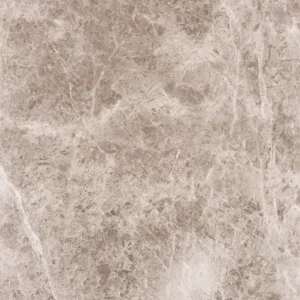
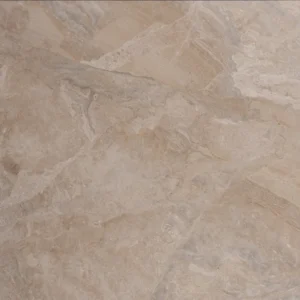
Macael Blanco 12×24 Porcelain Tile Natural Rectified
Clean and contemporary, the Macael Blanco 12×24 porcelain tile offers a refined white look with a versatile natural (matte) surface. The 12×24 format minimizes grout lines for a smooth, modern layout, while precise rectified edges support tight, consistent joints on floors or walls.
Engineered in durable porcelain, this tile balances style with day‑to‑day practicality. A PEI 4 wear rating and a DCOF of 0.42 support residential floors and light commercial interiors, and frost resistance expands design options to exterior facades in freeze–thaw climates. Box coverage is 11.63 sq. ft. (6 pieces), aiding straightforward planning and estimating.
Use it alone for crisp minimalism or pair it with surrounding materials to create layered architectural detail. The natural finish delivers a soft, low‑sheen look that complements a wide range of palettes.
Features
- Porcelain body for durability and easy care
- Color: Blanco (white tone)
- Finish: Natural (matte) surface
- Edge: Rectified for precise, narrow grout joints
- Size: 12×24 rectangular tile
- PEI 4 wear rating
- DCOF: 0.42
- Frost resistant for freeze–thaw exterior wall use
- Coverage: 11.63 sq. ft. per box | 6 pieces per box
Recommended Applications
- Residential interior floors
- Residential interior walls
- Light commercial interior floors
- Commercial interior walls
- Backsplashes
- Shower walls
- Fireplace surrounds
- Exterior walls/facades (freeze–thaw)
Installation Guide – Macael Blanco 12×24 Porcelain Tile Natural Rectified
Important Advisory
Always follow the tile manufacturer’s instructions, local building codes, and recognized industry standards (ANSI A108/A118 and TCNA guidelines). Confirm substrate suitability, movement accommodation, and required waterproofing/drainage for wet or exterior areas.
Step 1: Layout & Planning
- Verify the substrate is clean, dry, structurally sound, and flat within industry tolerances for large‑format tile (such as 12×24).
- Plan the layout by dry‑fitting tiles and centering the design to avoid small perimeter cuts.
- Blend material from multiple boxes to distribute any shade variation uniformly.
- Use appropriate spacers and maintain a joint width suitable for rectified porcelain; provide movement joints per TCNA EJ171.
Step 2: Tile Installation
- Use a polymer‑modified thin‑set mortar approved for porcelain and, when applicable, large‑format tiles.
- Key mortar into the substrate, then comb with an appropriate notched trowel; back‑butter tiles as needed to improve contact.
- Set tiles with a slight back‑and‑forth motion to collapse ridges and achieve proper bond; target coverage per standards for the area of use (commonly 80–95%).
- Use a leveling system when needed to help minimize lippage on 12×24 installations.
- Allow mortar to cure per manufacturer guidance before grouting or permitting light traffic.
Step 3: Cutting
- Cut using a wet saw with a premium diamond blade rated for porcelain.
- Mark cuts carefully and support the tile fully during cutting to reduce chipping.
- Ease sharp cut edges where they will be exposed.
Step 4: Joint Filling
- Select a grout suitable for porcelain and the chosen joint width; follow manufacturer directions for mixing and application.
- Pack joints fully with a rubber float, clean diagonally, and remove haze promptly with clean water.
- Use appropriate sealants at movement joints and changes of plane; do not grout these areas.
- Protect the installation from foot traffic until grout has cured as directed.
Step 5: Cleaning & Maintenance
- Clean routinely with a pH‑neutral cleaner approved for porcelain tile; avoid acids and harsh abrasives.
- Use entry mats and felt pads where appropriate to limit tracked‑in grit and scratching.
- Follow grout manufacturer maintenance guidance; reseal cementitious grout if recommended.
Disclaimer
Installation should be performed by qualified professionals. Verify actual materials, lot‑to‑lot variations, and suitability for specific applications prior to installation. Stone Market USA is not responsible for issues arising from improper installation, handling, or site conditions.