







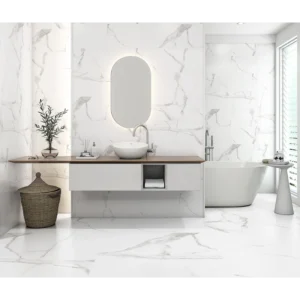
Architectural Surfaces That Give a Home Its Character
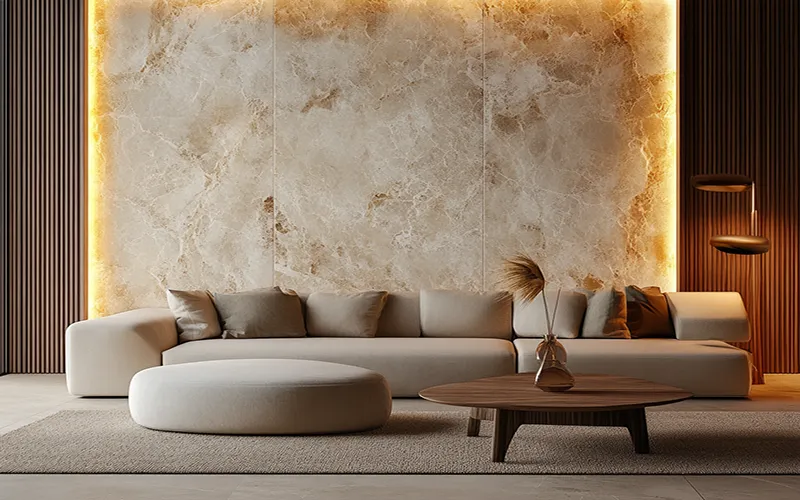
Interior wall tile can transform an ordinary room into a layered, personal, and carefully designed living space.
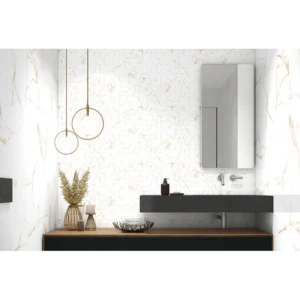
From fireplace surrounds and bathroom walls to kitchens, entryways, bedrooms, living rooms, and decorative niches, wall tile introduces material, pattern, texture, color, reflection, and architectural depth.
Stone Market USA offers marble, limestone, travertine, porcelain, mosaics, ledgestone, and specialty wall surfaces for modern, traditional, coastal, transitional, minimalist, and luxury residential interiors.
Why Use Tile and Stone on Interior Walls?
Wall tile combines visual detail, practical surface protection, material authenticity, and design flexibility across a wide range of residential spaces.
Architectural Detail
Texture, veining, pattern, shape, grout, and finish can turn a simple wall into a refined focal point.
Surface Protection
Suitable wall tile can protect selected areas from moisture, splashes, heat exposure, marks, and everyday contact.
Design Flexibility
Large-format tile, mosaics, subway formats, ledgestone, and decorative patterns support many interior styles.
Room-to-Room Coordination
Wall surfaces can coordinate with flooring, countertops, cabinetry, fixtures, lighting, furniture, and paint colors.
Residential Interior Wall Materials
Compare color, pattern, texture, format, weight, maintenance, variation, finish, installation requirements, and room suitability before choosing a wall surface.
Marble Wall Tile
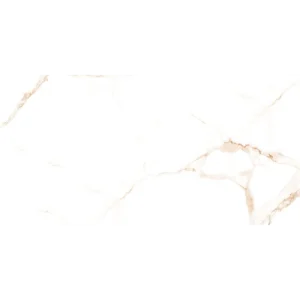
Natural veining and refined mineral movement for bathrooms, fireplaces, kitchens, living rooms, entryways, niches, and sophisticated feature walls.
Explore marbleMosaic Wall Tile
Detailed patterns for shower walls, backsplashes, niches, vanity walls, fireplace accents, borders, and decorative feature sections.
Explore mosaicsPorcelain Wall Tile
Stone-look, concrete-look, wood-look, matte, polished, textured, and large-format options for versatile residential interiors.
Explore porcelainLedgestone & Textured Walls
Dimensional natural stone for fireplaces, living rooms, stair walls, entryways, columns, and architectural statement features.
Explore textured stoneWhere Can Interior Wall Tile Be Used?
Product suitability depends on the room, material, weight, moisture, heat, wall height, substrate, maintenance, and complete installation system.
- Living room feature walls: Create a refined background for televisions, shelving, furniture, art, lighting, and architectural details.
- Fireplace surrounds: Use suitable tile or stone to frame the fireplace and establish a strong focal point within the room.
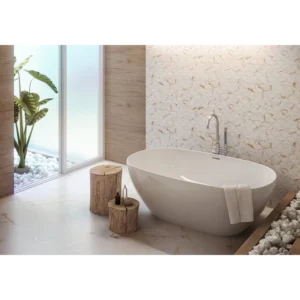
- Bathrooms and showers: Cover vanity walls, shower walls, niches, tub surrounds, and decorative bathroom features.
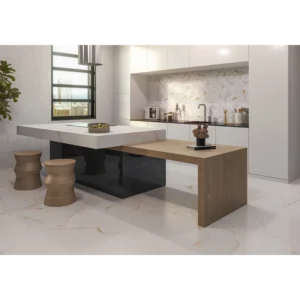
- Kitchens and bars: Coordinate backsplashes, range walls, wet bars, coffee areas, shelving, and countertop surfaces.
- Bedrooms: Introduce calm texture behind beds, seating areas, fireplaces, vanities, or selected architectural walls.
- Entryways and stair walls: Add texture and visual structure to circulation spaces and the first areas seen upon entering the home.
Choosing the Right Interior Wall Tile
Review the complete room composition rather than selecting wall tile independently from the surrounding finishes.
- Material: Natural stone provides authentic variation, while porcelain may offer more consistent color and pattern.
- Pattern and scale: Small mosaics add detail, while larger field tiles create cleaner and more continuous wall surfaces.
- Finish: Polished, honed, matte, textured, tumbled, and split-face finishes affect reflection, mood, cleaning, and texture.
- Wall height and weight: Confirm substrate preparation, fastening, adhesive, support, movement joints, and installation requirements.
- Lighting: Directional and grazing light can emphasize veining, texture, grout lines, surface movement, and lippage.
- Maintenance: Consider hand contact, moisture, food exposure, heat, cleaning access, grout, sealing, and replacement planning.
Coordinate the Wall with the Complete Room
Compare wall tile with flooring, countertops, cabinetry, furniture, paint, trim, fixtures, hardware, window treatments, lighting, artwork, and adjoining materials.
Review samples vertically and under the room’s actual lighting because color, gloss, texture, and natural variation can appear different once installed on a wall.
Plan Corners, Openings, and Pattern Alignment
Additional material may be needed for corners, electrical outlets, niches, windows, shelves, doors, fireplaces, pattern alignment, natural selection, and breakage.
A dry layout helps evaluate cuts, sheet seams, grout spacing, color blending, focal-point placement, and the relationship between tile and surrounding architectural features.
Maintaining Interior Wall Tile
Cleaning and care should be matched to the material, finish, grout, sealer, room use, moisture, food exposure, heat, and installation conditions.
Use Material-Safe Cleaner
Select cleaning products appropriate for the tile, natural stone, grout, finish, and applied sealer.
Clean Splashes Promptly
Remove water, soap, food, grease, and other residue before buildup becomes more difficult to clean.
Seal When Recommended
Natural stone and grout may benefit from sealing depending on the material, finish, and exposure.
Inspect Joints and Corners
Periodically review grout, sealant, movement joints, corners, transitions, and surrounding fixtures.
Residential Wall Tile FAQs
Helpful answers for comparing wall materials, rooms, patterns, finishes, quantities, sealing, samples, maintenance, and installation planning.
What is the best tile for an interior feature wall?
The best option depends on the room, desired design, material weight, wall height, lighting, maintenance, moisture, heat, substrate, and installation system.
Can marble be installed on residential walls?
Yes. Marble is frequently used for bathrooms, fireplaces, backsplashes, niches, living room features, and other interior walls when properly specified and installed.
Can mosaic tile be used on a complete wall?
Yes. Mosaic tile can cover a complete wall or be used in selected feature areas. Layout planning is important to control sheet seams and pattern alignment.
Is ledgestone suitable for indoor fireplaces?
Suitable ledgestone may be used around residential fireplaces when clearance, heat exposure, substrate, weight, fastening, and installation requirements are correctly addressed.
Does natural stone wall tile need sealing?
Many natural stone and grout installations benefit from a suitable penetrating sealer. Requirements vary by material, finish, exposure, room, and selected sealer.
How much extra wall tile should I order?
Additional material may be needed for corners, outlets, openings, niches, pattern alignment, natural variation, breakage, and future repairs.
Can I order residential wall tile samples?
Sample availability depends on the individual product. Review the product page or contact Stone Market USA to confirm color, finish, texture, format, variation, and current availability.
Planning an Interior Wall Tile Project?
Contact Stone Market USA for assistance comparing wall tile materials, patterns, colors, textures, formats, finishes, quantities, samples, and current availability.