Loading... (Warehouse Local Time)
Mosaic tiles are one of the most versatile and design-friendly surfaces used in modern interiors. From shower floors and bathroom walls to kitchen backsplashes and decorative accents, mosaic tile offers a unique combination of visual detail, installation flexibility, and long-term practicality.
Unlike large-format tiles, mosaic tiles are made of small individual pieces mounted on mesh sheets. This small-format structure allows them to adapt to curves, corners, niches, slopes, and other detailed surfaces where standard tile may be less effective. The result is a finish that feels more customized, more textured, and often more functional in wet or compact spaces.
One of the biggest reasons mosaic tile remains so popular is its design range. Whether you prefer classic penny rounds, clean hexagons, elegant herringbone, or decorative fish scale layouts, each mosaic pattern creates a different rhythm and visual effect in a room.
To see how layout affects the final look, read our full guide: Mosaic Tile Patterns Explained (Herringbone, Hexagon, Penny & More) .
If you're still deciding which style, material, or size makes the most sense for your project, our step-by-step guide How to Choose the Right Mosaic Tile breaks down the selection process in a practical way.
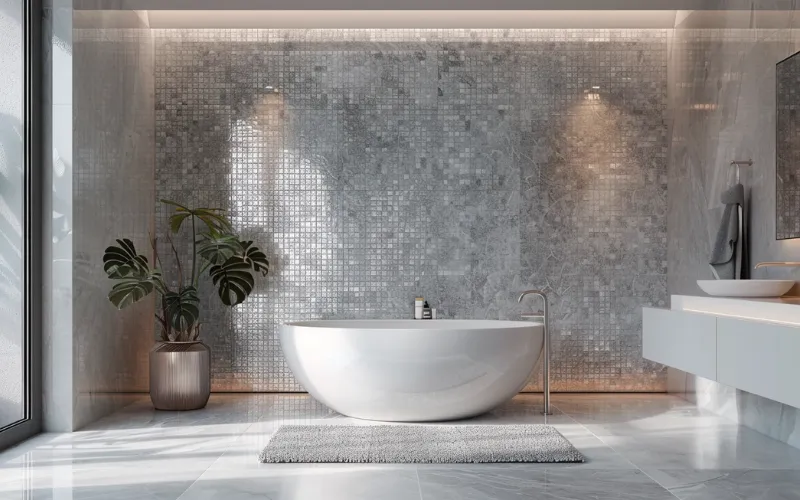
Today, mosaic tile is widely used in shower pans, bathroom walls, backsplash areas, feature walls, and architectural details. Beyond appearance, mosaic tile can improve slip resistance, follow surface contours more easily, and help create premium-looking spaces with more depth and personality.
If you're exploring styles and materials, browse the full mosaic tile collection to see available options in marble, glass, porcelain, and more.
You can also explore our general mosaic tile patterns collection to compare layouts and discover which pattern best fits your design style.
The defining feature of mosaic tile is its small format. Most mosaic sheets are made up of many small chips mounted together, usually covering around one square foot per sheet. This modular format gives installers much more control over slopes, edges, corners, and detailed surfaces.
That flexibility is what makes mosaic tile such a strong choice for shower floors, niches, curved walls, and decorative insets. Smaller pieces can follow the shape of a surface more naturally, while the additional grout joints often improve traction in wet areas.
Mosaic tile also offers a very different visual effect from standard tile. Instead of large uninterrupted surfaces, you get pattern, movement, texture, and detail. In many spaces, that extra detail is exactly what turns a simple room into a finished design statement.
To understand sheet sizing, coverage, and quantity planning in more detail, see our technical guide: Mosaic Sheet Sizes & Coverage Explained .
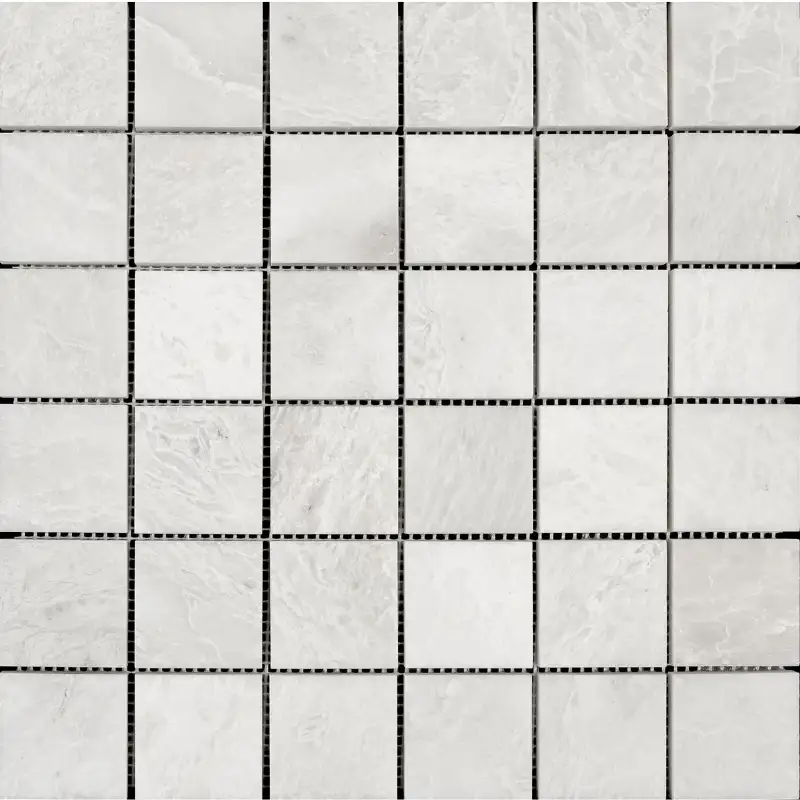
Material selection plays a major role in how your mosaic tile will look, perform, and age over time. Some materials offer a softer, more organic appearance, while others provide sharper color, easier maintenance, or stronger resistance to moisture and wear.
Marble mosaic tiles are known for their natural beauty, subtle veining, and timeless character. Because marble is a natural stone, each piece contains slight variation in color and pattern, giving the surface a richer and more sophisticated appearance than many manufactured materials.
Marble mosaics are especially popular in bathrooms, shower walls, backsplashes, and high-end residential interiors. They work particularly well when the goal is to create a warm, elegant, and premium look.
If you're comparing natural stone to more reflective manufactured options, read our detailed guide: Marble vs Glass Mosaic Tiles Guide.
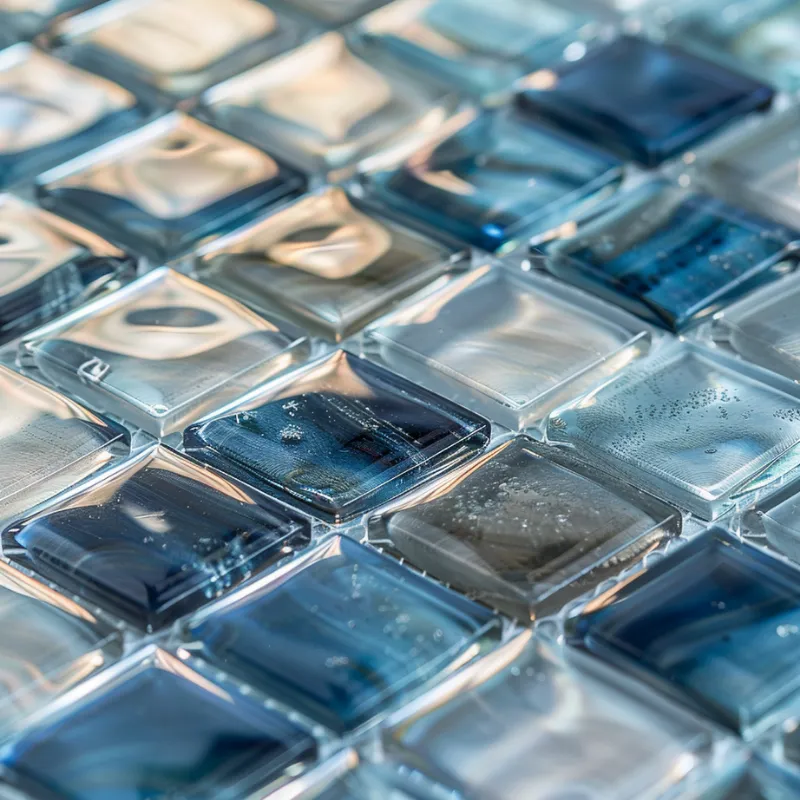
Glass mosaic tiles offer a brighter, more reflective finish and are often used in contemporary kitchens, accent walls, and decorative bathroom applications. Their glossy surface helps bounce light around a room, which can make smaller spaces feel more open and visually dynamic.
Glass mosaics are often chosen for projects where shine, color clarity, and a more modern appearance are priorities.
Porcelain mosaics are valued for durability, low maintenance, and broad design flexibility. They are often used in practical, high-traffic, or moisture-prone spaces where consistent performance matters just as much as appearance.
Other mosaic materials may include ceramic, limestone, travertine, and mixed-material blends. The right choice depends on where the tile will be installed, how much maintenance you are comfortable with, and what overall style you want to achieve.
Pattern is one of the most powerful design decisions in any mosaic tile project. Even when two mosaics use the same color palette, the overall effect can look completely different depending on the shape and layout.
Hexagon mosaics feel clean and geometric. Herringbone patterns add motion and elegance. Penny rounds feel classic and playful. Fish scale layouts bring softness and decorative character. Basket weave and other traditional patterns can create a more timeless architectural feel.
If you want to compare styles side by side, browse our shop by pattern collection or read: Mosaic Tile Patterns Explained .
Choosing the right pattern is not just about taste. It also affects how large or busy a room feels, how much movement the surface has, and whether the tile supports a calm or dramatic interior style.
Mosaic tiles perform especially well in areas where grip, flexibility, and visual detail matter. Their small format allows them to adapt to surfaces that would be more difficult to tile with larger pieces.
If your project involves a wet area, mosaic tile is often the practical choice because the extra grout joints can improve slip resistance while also allowing the tile to follow drainage slopes more effectively.
For shower-specific recommendations, read: Best Mosaic Tiles for Shower Floors .
If you're planning a kitchen project, our Mosaic Tile Backsplash Ideas guide can help you compare styles and choose a backsplash that works with your cabinets, countertops, and lighting.
Grout has a major influence on both performance and appearance. Because mosaic tile includes more grout joints than standard tile, grout color becomes a much bigger visual decision. Matching grout can create a softer, more seamless surface, while contrasting grout highlights the pattern and makes every individual piece stand out.
Grout also affects durability, stain resistance, and long-term maintenance. Choosing the wrong grout can make even a beautiful mosaic installation feel unfinished or harder to maintain.
To understand grout types, color strategy, and best practices, read our full Mosaic Grout Selection Guide .
After installation, ongoing care matters too. For routine cleaning and long-term upkeep, see our Mosaic Tile Maintenance Guide .
Proper installation is essential if you want mosaic tile to look refined and perform well over time. Because mosaic sheets closely follow the surface beneath them, substrate preparation is especially important. Any dips, ridges, or uneven spots can become visible once the tile is set.
Mosaic tile installations also require the right mortar, proper waterproofing in wet areas, careful sheet alignment, and attention to grout joints. Small tile does not automatically mean easy installation. In fact, the detailed look of mosaic tile often demands more precision, not less.
For a full step-by-step breakdown, read our Mosaic Tile Installation Guide .
Choosing the right mosaic tile usually comes down to five practical questions: Where will it be installed? What material suits that space best? Which pattern matches the room style? How much maintenance are you comfortable with? And what grout look do you want in the finished result?
For example, a shower floor often needs smaller chips for better traction, while a backsplash may prioritize visual impact and easier cleaning. A polished marble mosaic can feel luxurious and timeless, while a glossy glass mosaic may better suit a brighter, more modern design.
If you want a more detailed breakdown of how to compare size, material, pattern, and application, visit: How to Choose the Right Mosaic Tile .
Mosaic tile continues to be one of the most effective surface solutions for spaces that need both design flexibility and practical performance. It works where larger tiles struggle, adds character where flat surfaces feel plain, and gives homeowners and designers more control over both function and style.
Whether you're designing a shower floor, selecting a backsplash, comparing materials, or choosing the right pattern for a bathroom remodel, mosaic tile offers a rare balance of versatility, durability, and visual sophistication.
Continue learning:
Browse the complete mosaic tile collection to find the right material, pattern, and finish for your project.
Our mosaic and tile products are currently being refreshed with new inventory, improved selections, and updated designs.
You can continue shopping our available collections below.
We’ll be back soon with a stronger and more exclusive collection.