Loading... (Warehouse Local Time)
Mosaic tiles are one of the oldest and most versatile surface materials in architectural history. From ancient Roman baths to modern luxury homes, mosaic tile has remained relevant for thousands of years because it solves both technical and design challenges at the same time.
Unlike large-format tiles, mosaic tiles consist of small individual pieces mounted on mesh sheets. This allows them to adapt to curves, slopes, and detailed surfaces where larger tiles simply cannot perform effectively. The result is not only functional performance, but also visual depth, texture, and character.
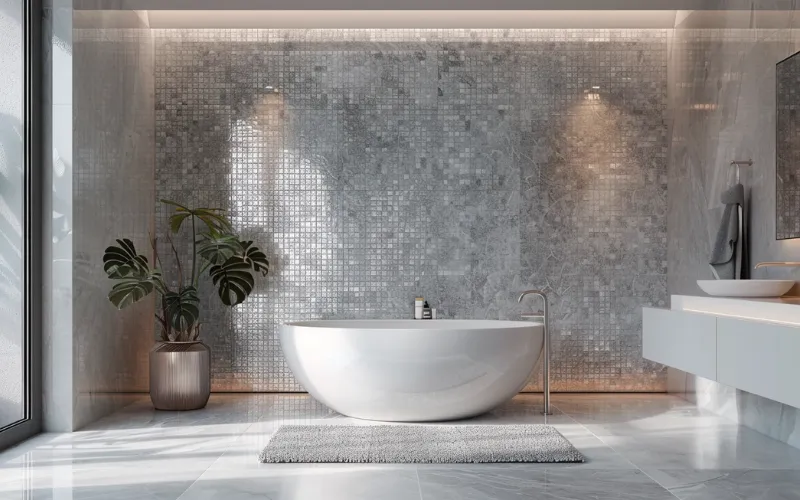
Today, mosaic tile is widely used in shower floors, bathroom walls, kitchen backsplashes, and architectural accents. Beyond appearance, mosaic tiles improve slip resistance, provide flexibility during installation, and allow designers to create highly customized spaces.
If you're exploring options, you can browse the full mosaic tile collection here to see available materials, finishes, and patterns.
The defining characteristic of mosaic tile is its small format. Individual pieces are mounted on mesh sheets, typically covering approximately one square foot per sheet. This modular structure allows installers to follow slopes, wrap corners, and achieve precision that would be impossible with larger tiles.
This flexibility makes mosaic tile the preferred choice for complex surfaces such as shower pans, niches, curved walls, and decorative accents.
To understand sheet sizing, coverage, and quantity planning in detail, see our technical guide on Mosaic Sheet Sizes & Coverage Explained.
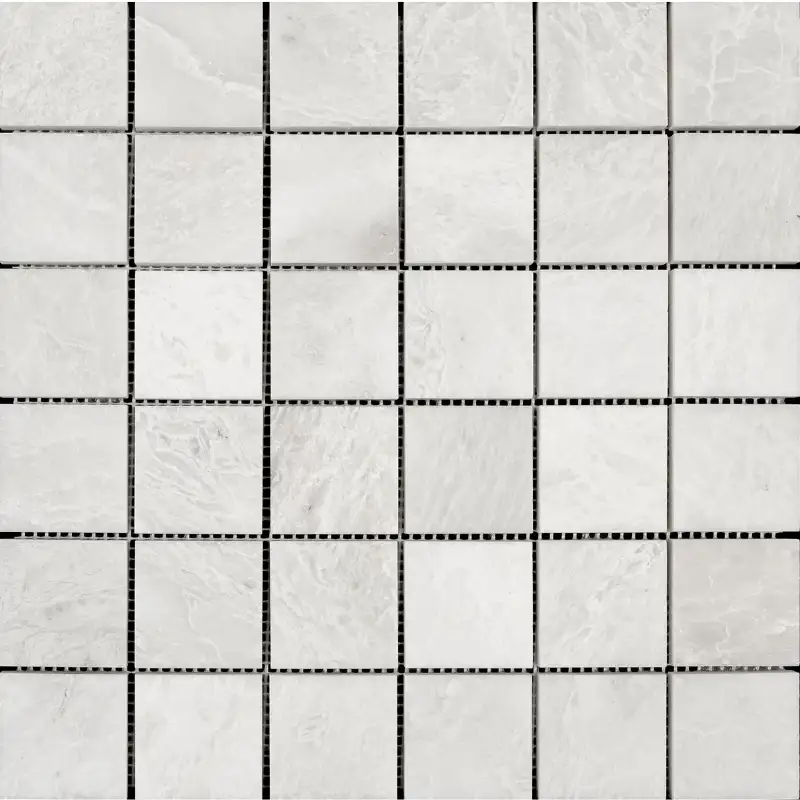
Material selection is one of the most important decisions when choosing mosaic tile. Each material offers different characteristics in terms of durability, maintenance, and visual appearance.
Marble mosaic tiles offer unmatched natural beauty. Formed over millions of years, marble contains unique veining and subtle tonal variation that cannot be replicated by manufactured materials.
Marble mosaics are especially popular in bathrooms, showers, and luxury interior spaces. Their natural texture and organic variation create depth and timeless elegance.
If you're comparing natural stone to manufactured options, read our full comparison: Marble vs Glass Mosaic Tiles Guide.
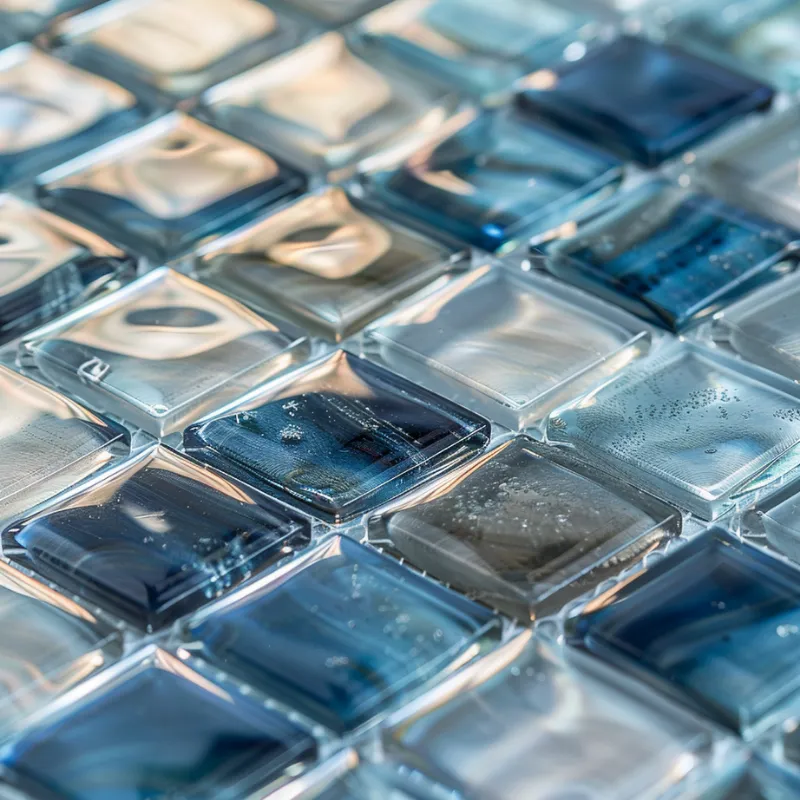
Glass mosaic tiles provide a clean, modern aesthetic. Their reflective surface enhances light and creates a brighter, more contemporary appearance.
Glass mosaics are commonly used in kitchen backsplashes, accent walls, and modern bathrooms where light reflection is desirable.
Porcelain mosaics offer excellent durability and require minimal maintenance. They are often used in high-traffic areas where long-term durability is a priority.
Mosaic tiles excel in environments where flexibility, traction, and detailed installation are important.
If you're specifically planning a shower installation, read our guide on Best Mosaic Tiles for Shower Floors , which explains slip resistance, durability, and material selection.
Grout plays a major role in both performance and visual appearance. Because mosaic tiles contain more grout lines than larger tiles, grout color and quality significantly influence the final result.
To understand grout types, compatibility, and best practices, read our full Mosaic Grout Selection Guide .
Proper installation is essential for long-term durability. Mosaic tile requires a flat substrate, proper waterproofing, and correct mortar selection.
Because mosaic tiles follow surface contours closely, substrate preparation is especially important. Even minor irregularities can become visible after installation.
Mosaic tile offers a unique combination of flexibility, durability, and design versatility. Whether used in bathrooms, kitchens, or architectural features, mosaic tile provides both functional performance and visual sophistication.
Continue learning:
Browse the complete mosaic tile collection to find the right material for your project.