Loading... (Warehouse Local Time)
Outdoor pavers bring timeless beauty, durability, and natural character to patios, pool decks, walkways, and driveways. However, one critical step is often overlooked after installation: sealing your natural stone pavers.
In this guide, we’ll explain why sealing outdoor pavers matters, which materials need it most, and how proper sealing protects travertine and limestone pavers from weather, stains, and wear — especially in high-exposure outdoor environments.
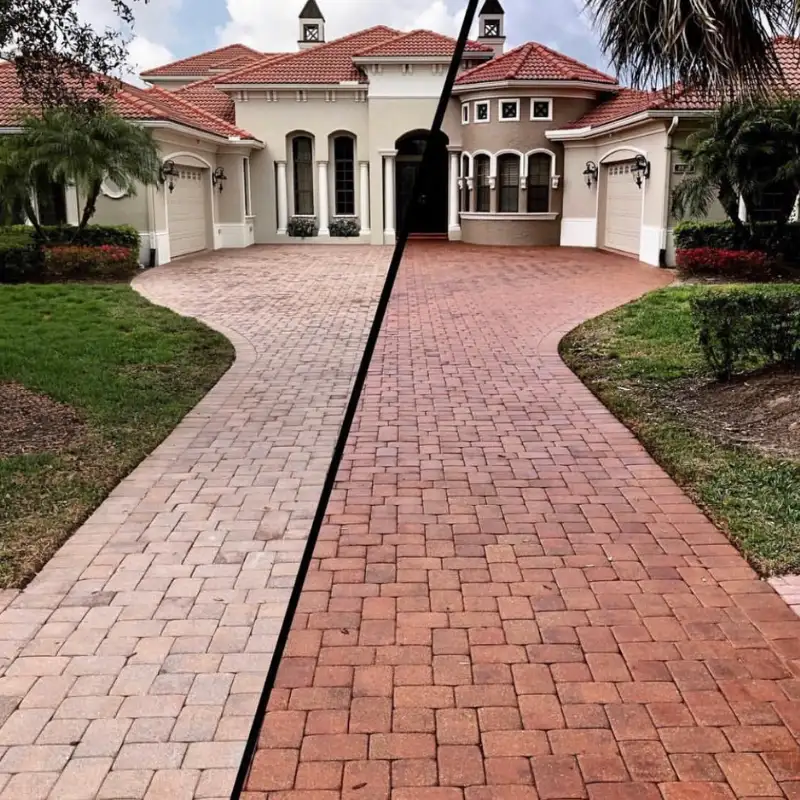
Natural stone pavers are constantly exposed to sunlight, rain, moisture, dirt, organic debris, and temperature changes. Without proper sealing, stone can absorb water, oils, and contaminants that lead to discoloration, staining, and surface damage over time.
Sealing creates a protective barrier that helps maintain the original appearance of your outdoor pavers while reducing long-term maintenance.
Most natural stone pavers benefit from sealing, but the level of importance depends on the stone type, surface finish, and installation location.
Porous stones such as travertine and limestone are especially vulnerable outdoors and should always be sealed after installation.
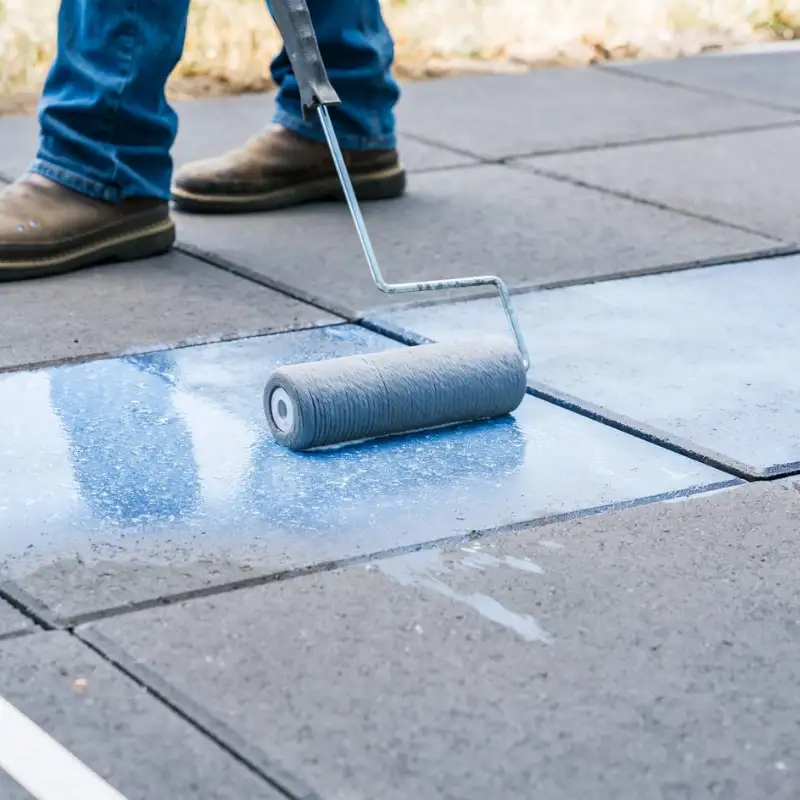
Travertine is one of the most popular choices for outdoor spaces due to its natural texture, slip resistance, and timeless Mediterranean look. However, it is also one of the most porous stones.
If left unsealed, travertine pavers can absorb moisture and organic matter, leading to dark spots, algae growth, and uneven color changes.
For long-term performance, sealing is essential for all travertine pavers, especially around pools and patios.
You can explore our full selection of travertine pavers designed specifically for outdoor use across the USA.
Limestone pavers are prized for their smooth texture, subtle veining, and elegant neutral tones. They create a refined outdoor look that works beautifully for patios, courtyards, and walkways.
However, limestone is a softer and more absorbent stone compared to marble or granite. Without sealing, it can darken unevenly, absorb moisture, and show wear more quickly in outdoor conditions.
That’s why we always recommend sealing all limestone pavers used outdoors.
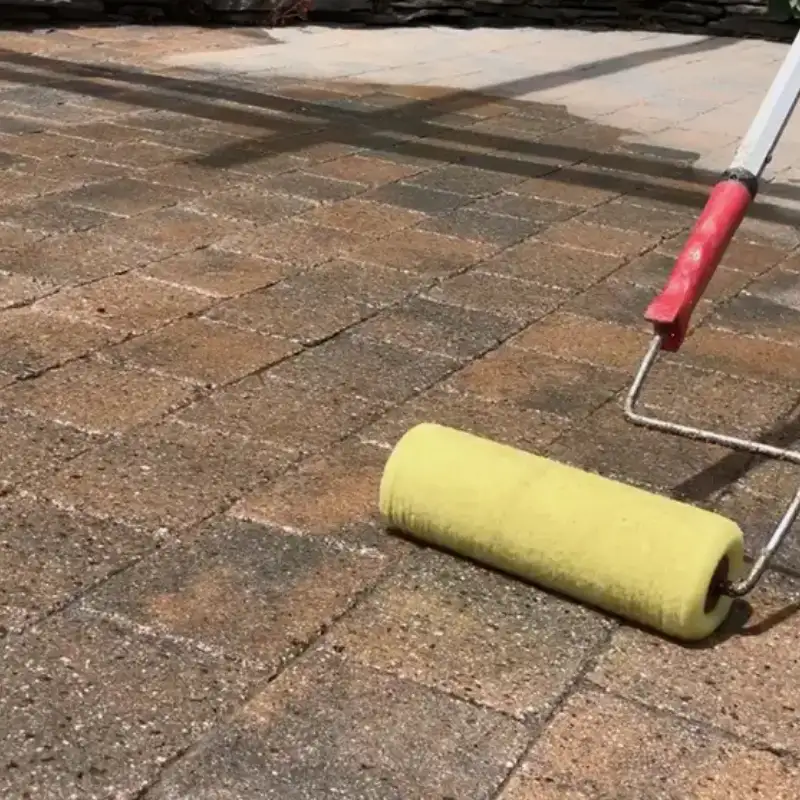
Timing is crucial for sealing. Stone should always be completely clean and dry before applying any sealer.
For outdoor pavers, resealing is typically recommended every 12 to 24 months, depending on climate and foot traffic.
This is a common concern — and the answer depends on the type of sealer used. High-quality penetrating sealers are designed to protect without forming a glossy surface film.
When properly applied, sealing does not make travertine or limestone pavers slippery, even around pools or wet areas.
For outdoor natural stone pavers, penetrating sealers are almost always the best choice.
Outdoor pavers are a long-term investment in both beauty and functionality. Sealing travertine and limestone pavers is one of the simplest steps you can take to preserve their appearance and performance for years to come.
Whether you’re installing a new patio, upgrading a pool deck, or refreshing an existing outdoor space, proper sealing ensures your stone stays protected against the elements — while keeping its natural elegance intact.