Nationwide Shipping
Product Samples Available
Premium Natural Stone & Porcelain
Buyer’s guide • slip resistance • natural stone • installation reality
Shower floors are a wet-zone engineering problem disguised as a design choice. The right mosaic gives you traction, easier slope-to-drain alignment, and fewer long-term headaches.
This guide shows which mosaic styles work best, which finishes to avoid, and how to keep a natural stone shower floor looking great for years.
Start here: Mosaic Tiles • Bathroom Tiles
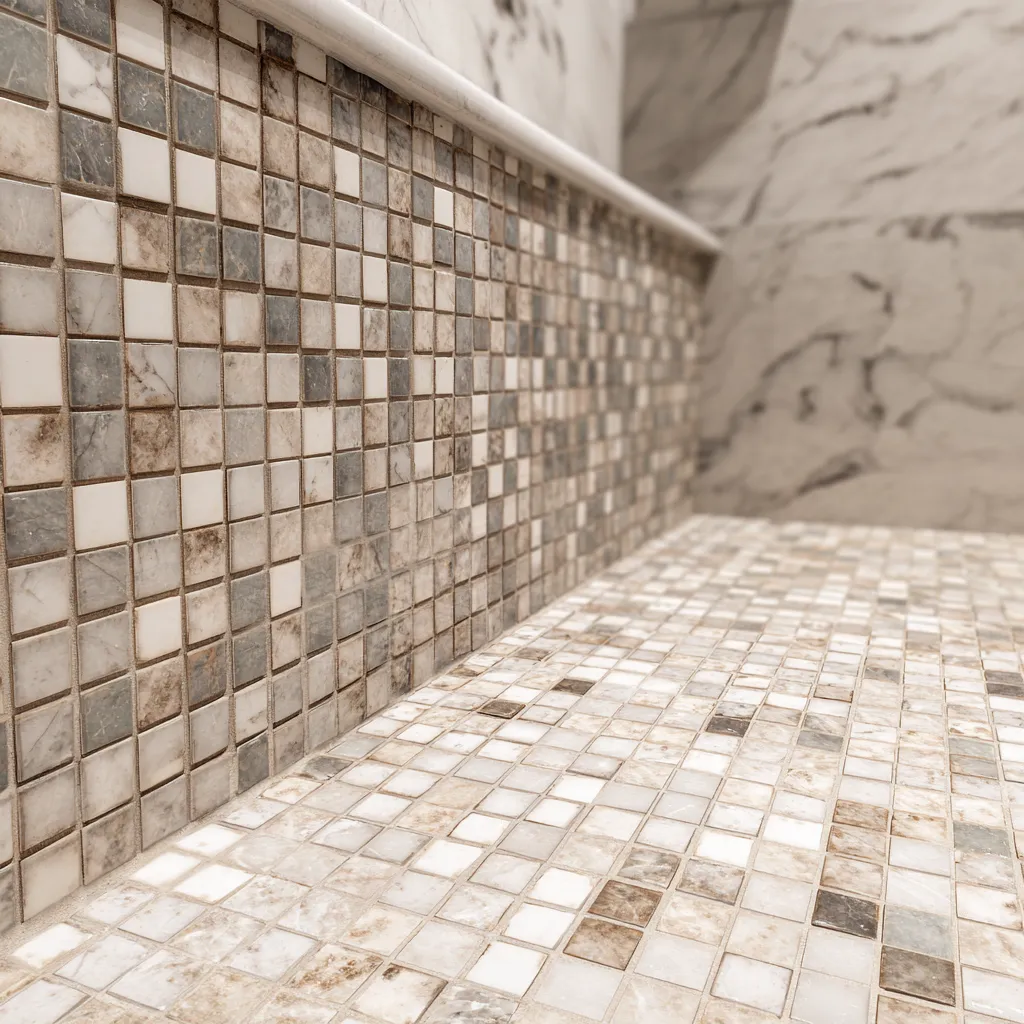
Small-format mosaics create more grout joints. Those grout lines increase friction, which matters when water + soap turns the floor into a slip test.
Another advantage is geometry: shower pans must slope toward the drain. Mosaic sheets follow that slope naturally, so installers don’t have to “fight the plane” with large rigid tiles.
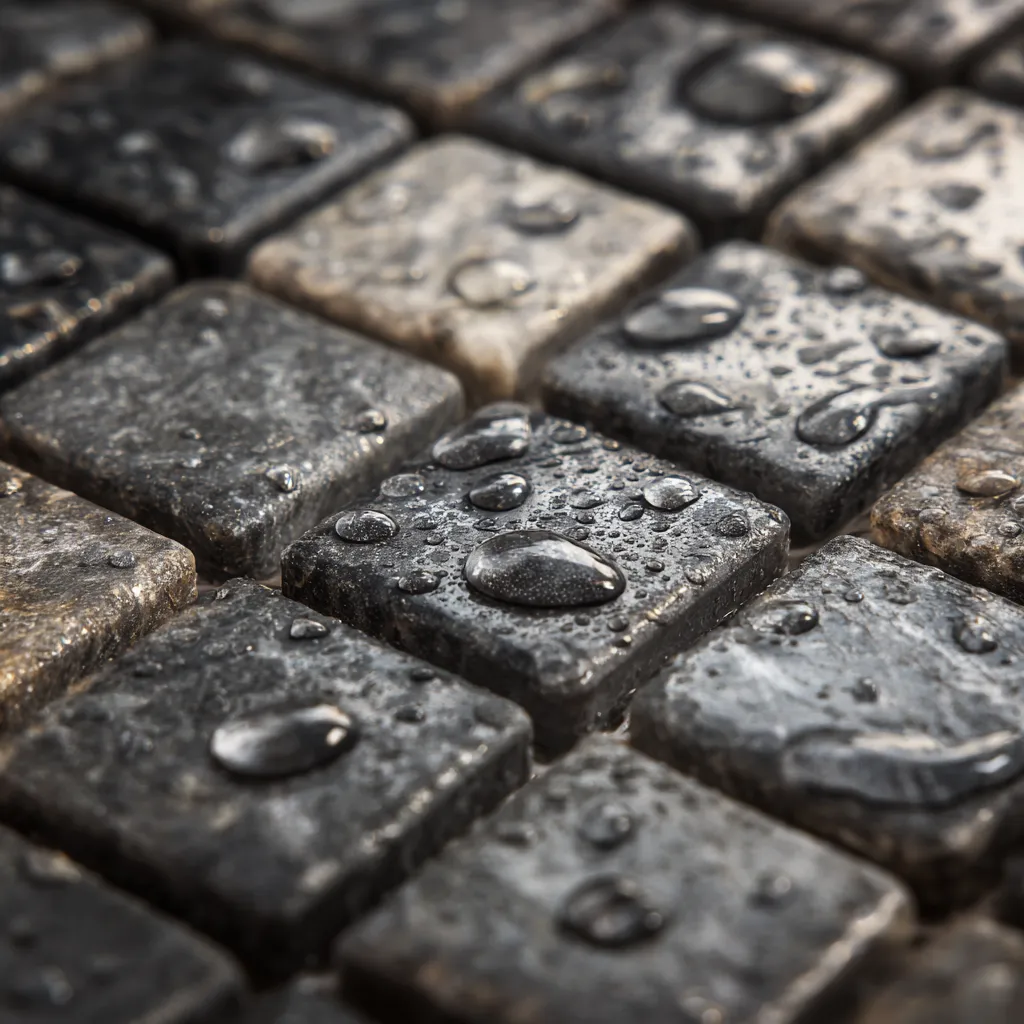
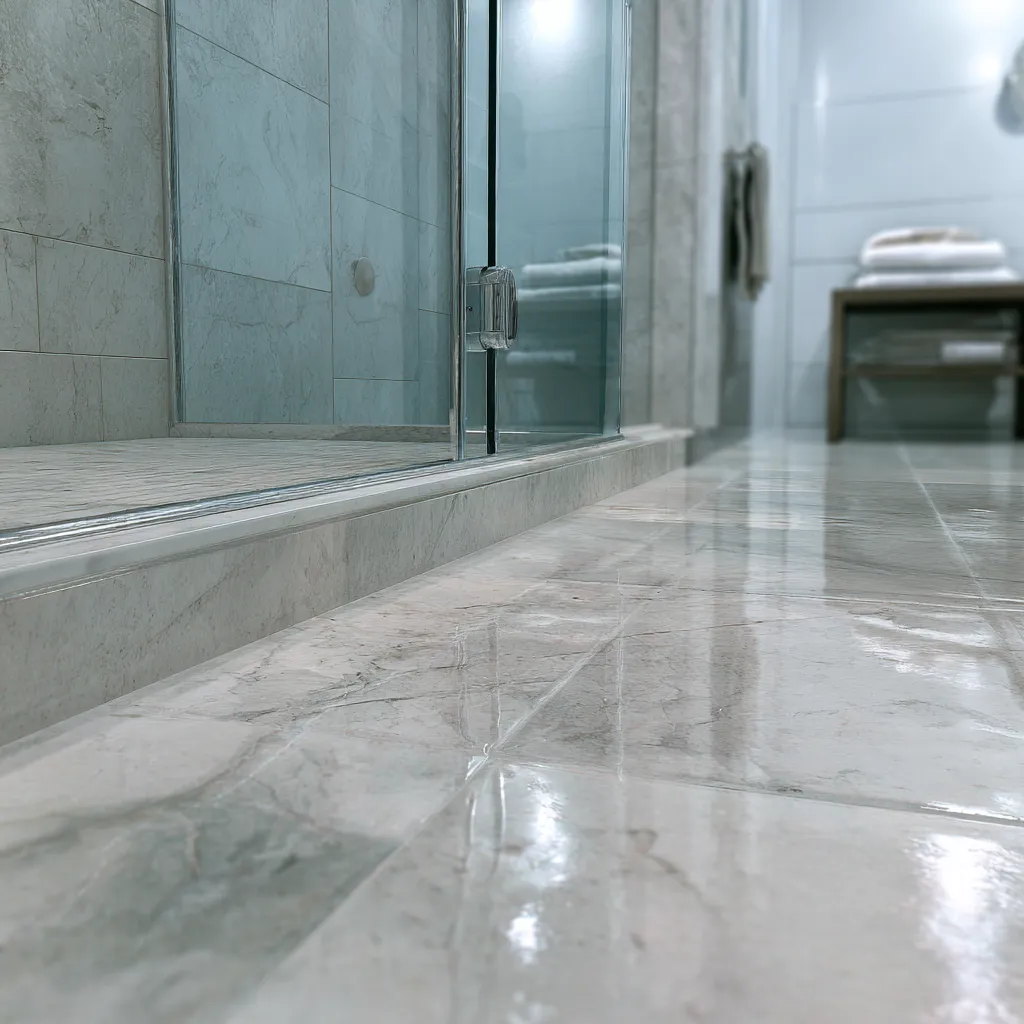
Large polished tiles minimize grout lines. That looks clean, but it also reduces traction. On a shower floor, fewer grout joints can mean less grip where you need it most.
They’re also harder to fit to a sloped base. Cutting and pitching large tiles to drain cleanly raises labor costs and increases the chance of “birdbaths” (low spots where water sits).
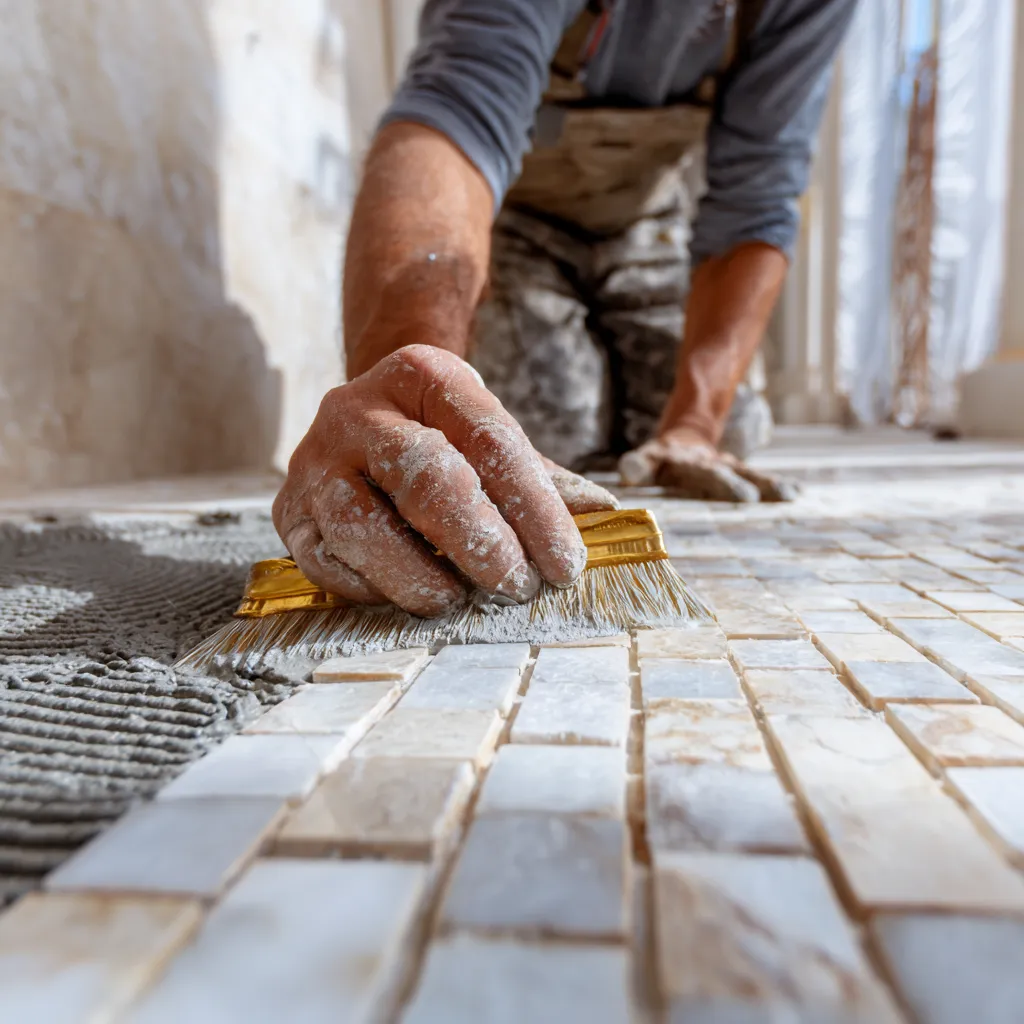
If you choose marble or natural stone mosaics, sealing is part of the system. Natural stone is porous—without a penetrating sealer, moisture and soap can lead to staining or discoloration over time.
Many pros seal before grouting (to reduce grout haze absorption) and again after curing (for long-term protection). That one decision can be the difference between “wow” and “why does it look dull already?”
For design-focused installations that balance slip resistance, durability, and visual impact, explore our curated backsplash mosaic tile collection to see how small-format mosaics can transform not just shower floors, but the entire bathroom experience.