Loading... (Warehouse Local Time)
Porcelain has come a long way. Today’s porcelain can mimic marble veining, limestone softness, and even textured finishes with impressive accuracy. Yet when you talk to interior designers — the people who specify materials for real homes and real clients — you’ll hear a familiar theme: natural stone still feels different.
The difference isn’t just about “looks.” Designers choose materials that create emotion, depth, and long-term value. Natural stone brings authenticity, subtle variation, and an architectural quality that porcelain often can’t fully replicate. In this guide, we’ll break down exactly why designers continue to prefer stone, when porcelain is the smarter move, and how to choose the right material for your project.
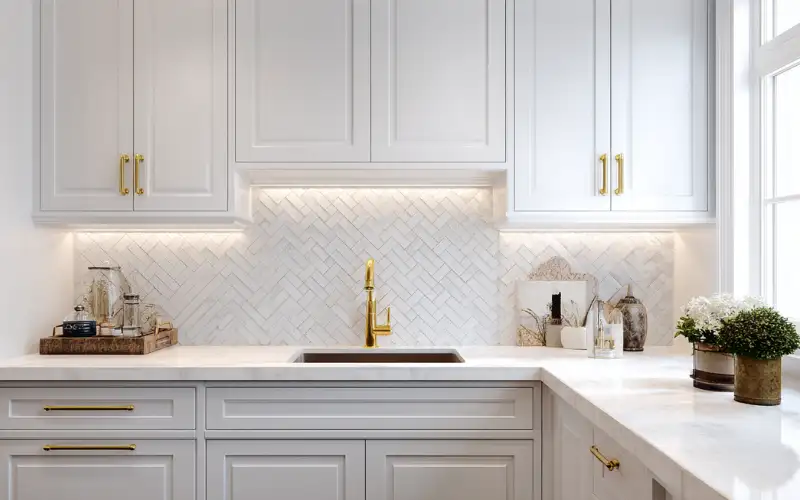
Natural stone is formed by time, pressure, and geology — not by a factory print pattern. That’s why no two pieces are identical. Designers don’t see this variation as a problem; they see it as the reason stone looks high-end. Subtle shifts in tone, veining, and texture create visual depth that feels authentic in person, especially under natural light.
This “character” is easiest to appreciate in detailed surfaces like mosaic tiles, where the small pieces catch light differently and the pattern feels handcrafted rather than printed. It’s also why designers continue to specify classic materials like marble for timeless luxury and limestone for warm, organic interiors.
Porcelain can look consistent and “perfect” — which is exactly why some designers avoid it in premium spaces. When everything matches too perfectly, surfaces can feel flat or mass-produced. Natural stone adds micro-variation that makes a room feel layered and real.
One of the easiest ways to understand the designer preference is to compare how surfaces behave in real lighting. Porcelain is often visually convincing in a showroom or on a screen, but in a finished space — where daylight changes throughout the day — designers notice that stone has a more dimensional reflection.
Natural stone has subtle depth within the material itself. On honed or lightly polished finishes, you often get a soft glow rather than a harsh shine. This is a big reason why designers frequently specify dolomite marble tiles when they want a bright, clean look that still feels luxurious and “real” in person.
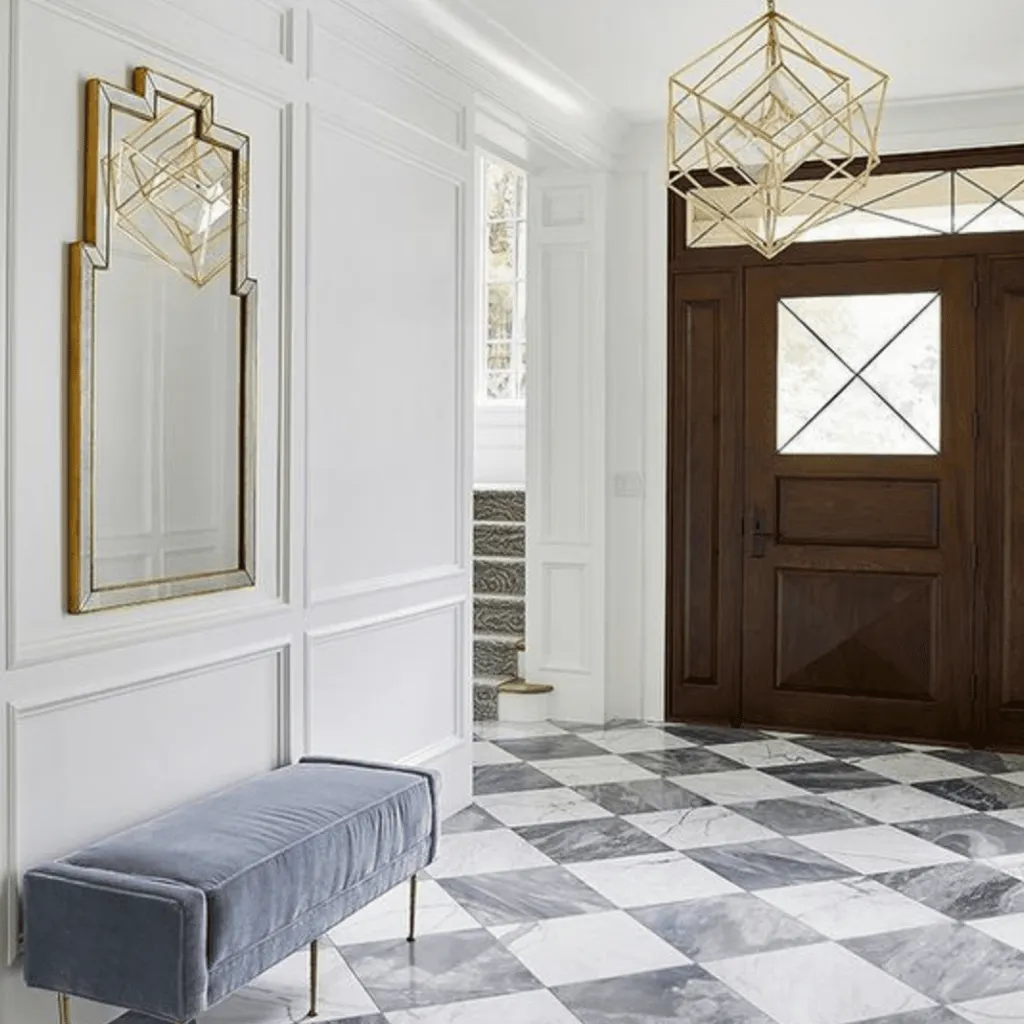
Designers rarely specify just one tile. They design entire spaces — floors, walls, showers, backsplashes, and accent areas — with a cohesive story. Natural stone makes it easier to build that story because it naturally comes with depth, tonal range, and compatibility across finishes and formats.
For example, a designer might use a statement stone on a vanity wall, continue the same family into the shower, and finish with a matching mosaic floor. Collections like the Bardiglio Collection help achieve that “designed on purpose” feeling — bold, architectural, and timeless without looking repetitive.
Porcelain collections can also be well coordinated, but because porcelain patterns are manufactured, large areas can sometimes show repeating prints. Designers who care about a natural, custom result often lean toward stone to avoid that “repeat” feeling.
Bathrooms are one of the most design-sensitive areas of a home. It’s the place clients want to feel calm, refreshed, and surrounded by quality. That’s why designers often prioritize materials that feel authentic and timeless — and natural stone does that extremely well.
In showers, niches, and feature walls, stone can create a boutique-hotel atmosphere that porcelain sometimes struggles to replicate. If you’re designing for a wet area, browse our Bathroom & Shower Tiles collection to see how different stones and finishes can change the mood of a space.
The key is choosing the right finish and using correct installation methods. Designers typically pair stone with practical details like proper slope on shower floors, suitable grout choices, and a simple care routine — and the result looks exceptional for years.
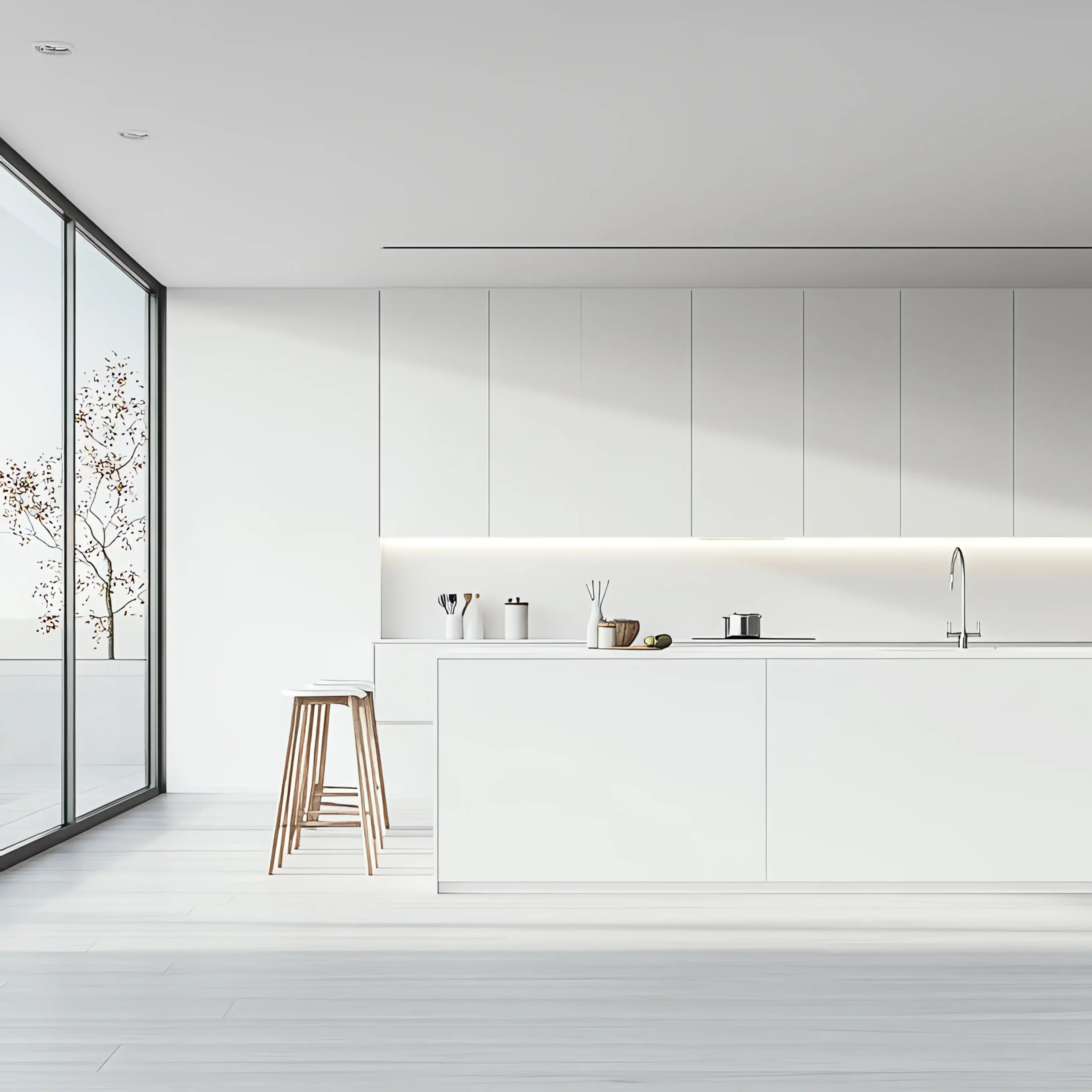
Designers don’t only design for today’s Pinterest trend — they design for longevity. Natural stone has proven itself for centuries in architecture, and it continues to hold value in high-end residential projects because it ages with a sense of authenticity.
Clean, refined stones like those in the Dolomite Collection are popular because they deliver a timeless look that adapts to changing decor styles. When a material still looks premium years later, it becomes part of the home’s value — not just a surface.
Porcelain is not “bad.” In fact, many designers use it strategically. Porcelain can be a smart choice when the project prioritizes:
The best approach is choosing the right material based on the goal of the space — not treating it like a debate. If you want a deeper, side-by-side breakdown, we already covered it in detail here: Natural Stone vs Porcelain Tile.
If you’re leaning toward natural stone, here’s a simple way designers often think about selection:
Final Thought: Designers still prefer natural stone because it looks and feels authentic, creates depth in real light, and ages with lasting value. Porcelain is excellent when you need consistency and low maintenance — but for truly premium interiors, natural stone remains the material that delivers a “designed on purpose” result.