Loading... (Warehouse Local Time)
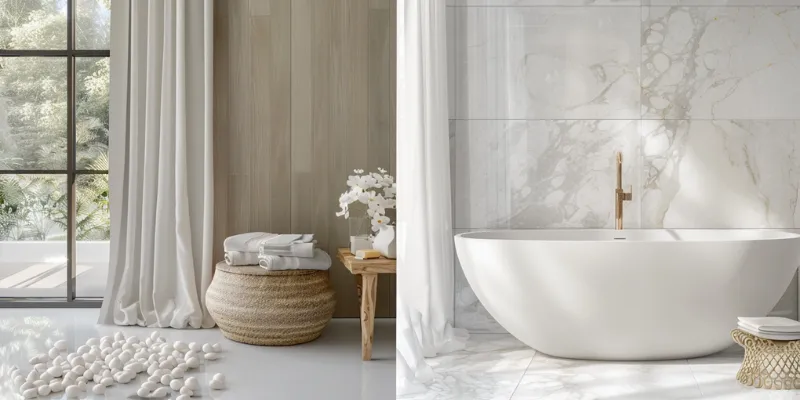
Ordering tile online is convenient, fast, and often gives you access to a wider selection than local showrooms. But there’s one catch: tile is a highly visual, highly tactile product. A screen can show you a general look, yet it can’t reliably show the exact undertone, the true surface feel, or how a finish behaves under your lighting.
This is why tile samples are not an “extra.” A sample is a decision tool that helps you avoid expensive mistakes. It protects your budget from wrong bulk orders, installation delays, and mismatched finishes. More importantly, it protects your project from that painful moment when the tile arrives and you realize it looks different than you imagined.
Whether you’re choosing marble, limestone, dolomite, mosaic tiles, or classic tiles, a sample gives you something photos never can: confidence.
Even the best product photography is still photography. Camera settings, studio lighting, editing, and compression all change how stone appears. Then your own screen adds another layer of distortion: brightness settings, night mode, color profiles, and even the room you’re sitting in can change what you think you’re seeing.
Natural stone adds one more reality: variation is part of the beauty. No two pieces are identical. Some lots show calmer movement; others have stronger veining. A sample helps you understand the character of the stone before you commit to a full order.
Tile projects don’t just cost money in materials. They cost time, labor, and momentum. The earlier you eliminate uncertainty, the cheaper your decisions become. Sampling helps you make one confident purchase instead of multiple expensive corrections.
Bulk tile orders are heavy and expensive to ship. If you order full quantities and the tone or finish isn’t right, returns may involve freight, restocking, and time delays. A sample reduces that risk drastically by letting you confirm the look at home—next to your cabinets, countertop, paint, and lighting—before you place a large order.
Different stones and finishes require different installation methods, grout choices, and sealers. Testing those decisions on a sample helps avoid surprises once installation starts. You can check how grout changes the tile’s appearance, whether a sealer deepens the tone, and whether the finish feels right for your space (especially in bathrooms and wet zones).
A tile doesn’t exist alone. Samples allow you to place the stone next to cabinets, countertops, flooring, and paint—under real lighting conditions—so you can confirm harmony across the entire design. This step alone can prevent the most common regret: “The tile is beautiful, but it doesn’t work with the rest of the room.”
When your sample arrives, don’t decide immediately. Try this quick checklist:
This is the difference between “I hope this works” and “I know this works.”
Some materials are forgiving. Natural stone is not one of them. Sampling is strongly recommended in the following cases—because the cost of being wrong is high and the visual differences are real.
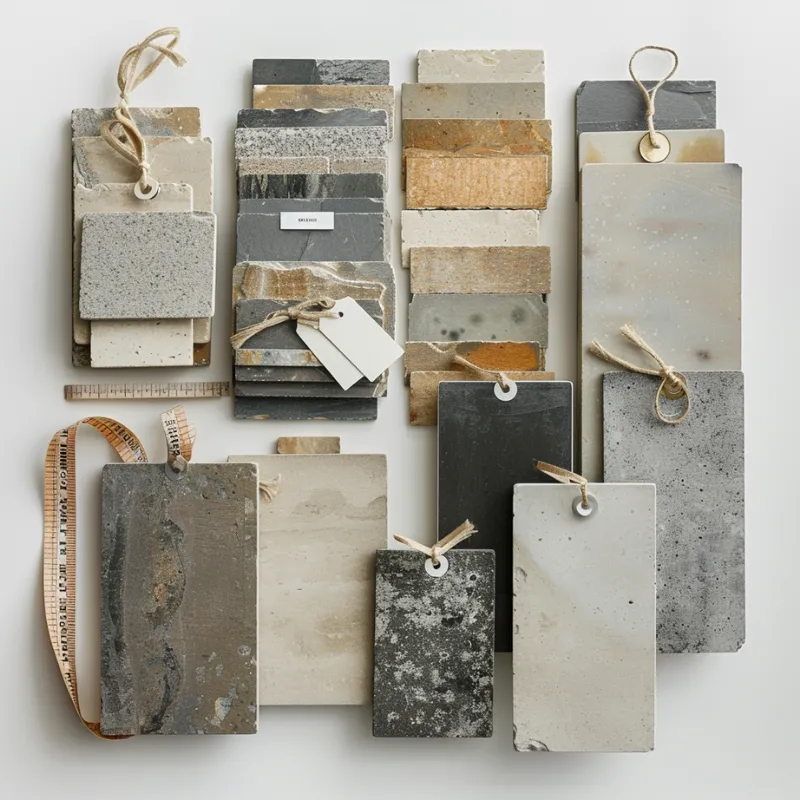
Marble, limestone, and dolomite tiles each have unique veining, tone variation, and surface character. Sampling ensures the stone aligns with your expectations and your room’s lighting.
Mosaic patterns can feel subtle or busy depending on lighting and grout color. A sample helps you evaluate the overall visual impact and decide on the right grout tone before you commit.
Larger tiles highlight veining and movement. Sampling helps determine whether the look feels calm and refined or too bold for your space.
Professionals rarely finalize tile choices based on images alone. Designers use samples to confirm color harmony with cabinetry and countertops, and to check how a finish reads across different lighting conditions. Contractors like samples because a physical reference reduces misunderstandings and helps them plan layout, cuts, transitions, and grout selections more accurately.
Sampling is also a project-management tool. It speeds up decisions, reduces approval cycles, and prevents last-minute changes that can delay installation and increase labor costs.
A tile sample gives you real-world information that influences both aesthetics and performance. Here are the most valuable details a sample reveals:
Many tiles look different once they’re placed in your home. Warm lighting can make a stone look creamier or more golden. Cooler light can reveal gray undertones that weren’t obvious online. If you’re matching cabinets or countertops, this matters.
Finish is not just style—it affects the way the room feels. Polished stone can brighten a space through reflection. Honed finishes create a softer, calmer look. Tumbled finishes add character and hide small marks better.
Stone is naturally varied. Sampling helps you understand whether you’re getting subtle movement or dramatic veining—and whether that variation supports your design goals. If you expect uniformity, a sample helps set the right expectations early.
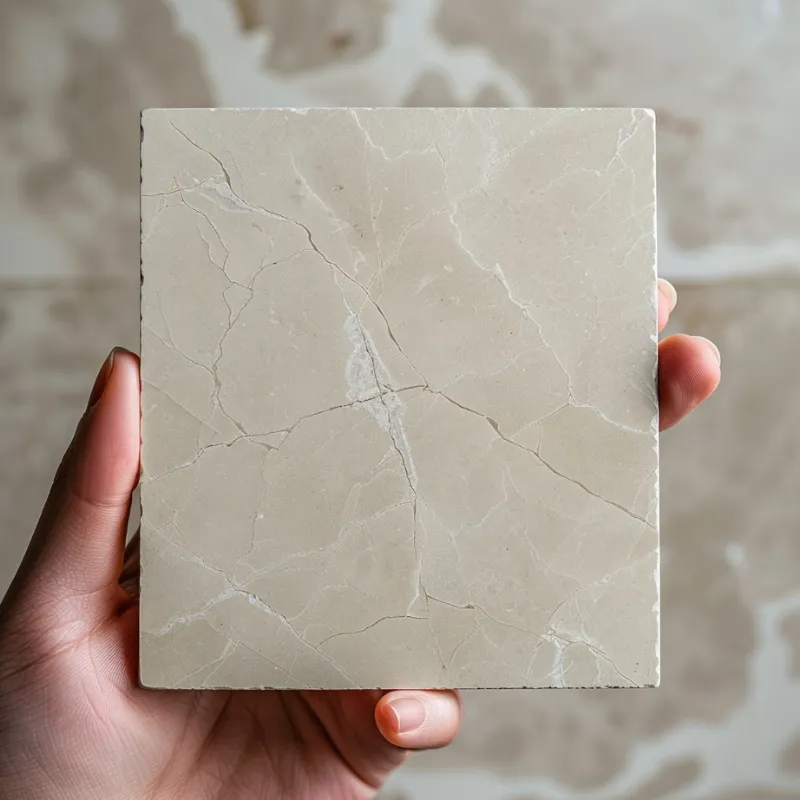
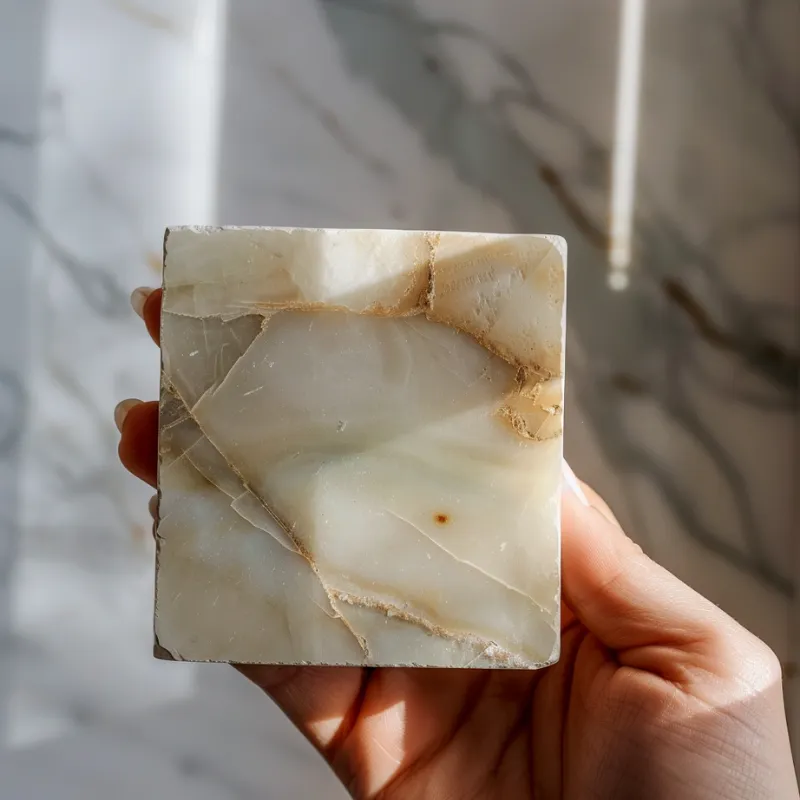
To get maximum value from your sample, treat it like a mini on-site test. Move it around the room. Compare it to your main finishes. Look at it in morning light, afternoon light, and evening lighting. If you’re choosing mosaic, test a grout color on a small area (or place grout swatches next to it).
Samples don’t only protect your budget—they often save time. Instead of comparing screenshots and re-opening tabs, you can eliminate options quickly and focus only on the materials that truly work. This prevents decision fatigue and helps your project move forward confidently.
Sampling lets you shortlist intelligently. Start with your preferred material category, pick a few finalists, then order samples to confirm the best match before placing a full order.
Once you’re ordering boxes, scheduling installation, and committing to a finish across an entire room, the cost of being wrong gets big—fast. Ordering a sample is a simple, affordable step that replaces uncertainty with real information.
A small sample today can save you serious money—and frustration—tomorrow.