Loading... (Warehouse Local Time)
When choosing natural stone tiles, most homeowners focus on color, finish, and size. However, one of the most important — and often overlooked — factors is tile thickness. The thickness of a stone tile directly affects its durability, installation method, performance, and even long-term maintenance costs.
In this guide, we’ll break down everything you need to know about stone tile thickness, including common thickness options, where each one works best, and how to avoid costly mistakes when selecting tiles for walls, floors, and wet areas.
Thickness isn’t just a technical detail — it determines how a tile behaves once installed. Thicker tiles generally offer greater strength, better load distribution, and higher resistance to cracking. Thinner tiles, on the other hand, are lighter, easier to cut, and ideal for vertical surfaces.
Thickness can also influence how stone looks over time — especially if additional material is needed later. Natural stone may vary by batch, which is why reorders don’t always match perfectly. You can read more about this in our guide: Can You Reorder Stone Later and Get the Same Color?
Choosing the wrong thickness can lead to problems such as cracked tiles, uneven surfaces, installation difficulties, or unnecessary material and labor costs. Understanding thickness upfront helps you choose the right stone for the right application.
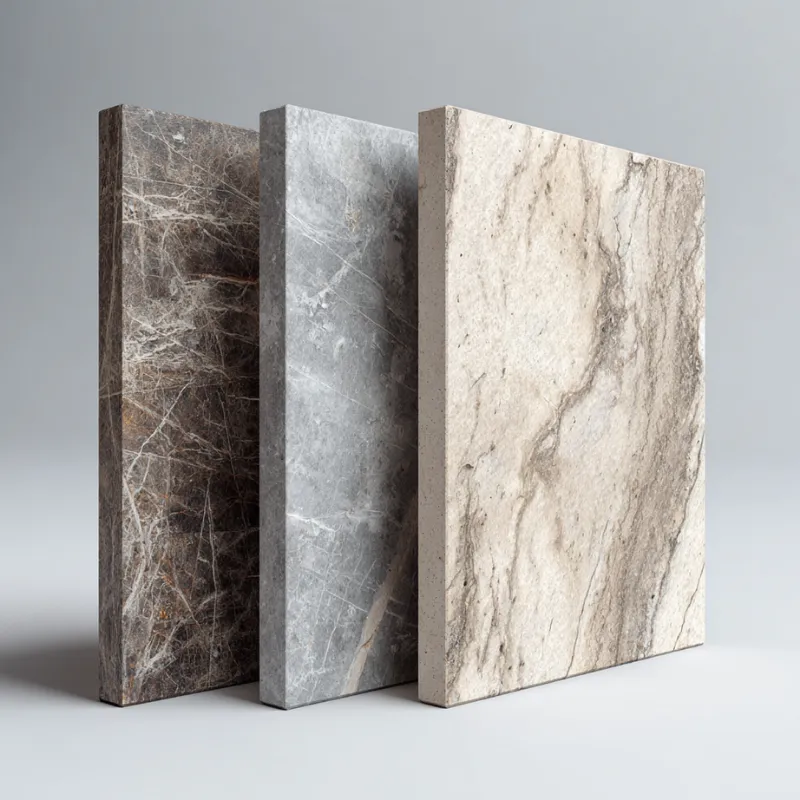
While thickness can vary slightly by material and manufacturer, most natural stone tiles fall into a few standard categories:
These thicknesses aren’t arbitrary — each serves a specific structural and functional purpose.
One of the most common mistakes homeowners make is using floor-grade thickness on walls, or wall-grade thickness on floors. While stone may look the same on the surface, its performance can differ dramatically.
Wall installations don’t bear weight, so thinner tiles are often preferred. Thinner stone tiles reduce load on wall structures, are easier to install vertically, and require less adhesive buildup.
For shower walls, accent walls, and decorative applications, selecting the correct thickness improves both safety and longevity. You can explore suitable options in our residential interior wall tile collection .
Floors are subject to foot traffic, furniture weight, and long-term wear. As a result, thicker stone tiles provide better resistance to cracking and deflection.
Interior flooring typically performs best with medium to thicker tiles, especially in high-traffic areas like kitchens, hallways, and living spaces. For suitable options, visit our residential interior flooring collection .
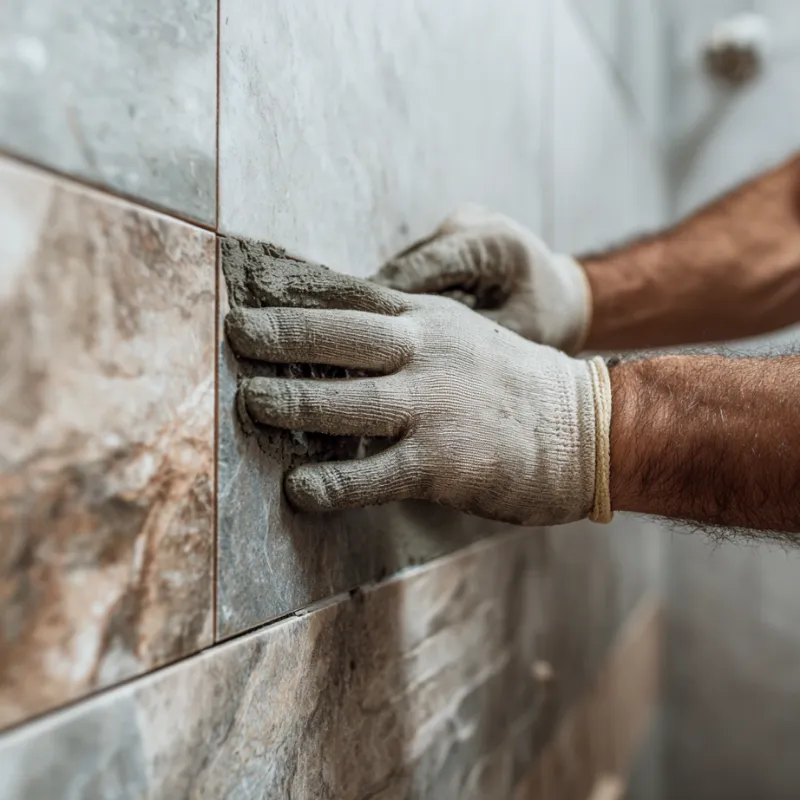
Thicker tiles generally require deeper mortar beds and more precise substrate preparation. This can slightly increase installation time and labor cost, but it also improves long-term stability.
Thinner tiles are easier to cut and set, making them ideal for vertical installations and detailed layouts. However, they require a perfectly flat surface to avoid lippage and cracking.
Bathrooms and showers introduce moisture, temperature changes, and frequent cleaning — all of which place extra stress on tile installations.
For bathroom walls and shower surrounds, thinner tiles are often used to reduce load, but proper waterproofing is essential. For bathroom floors, slightly thicker tiles provide better durability and long-term performance.
If you’re planning a bathroom renovation, explore our curated bathroom and shower tile collection for thickness-appropriate stone options.
Thicker stone tiles generally last longer under stress, resist cracking more effectively, and tolerate minor substrate movement better than thinner tiles.
That said, durability isn’t just about thickness — stone type, finish, installation quality, and maintenance all play important roles. A properly installed medium-thickness tile can outperform a poorly installed thick tile.
Yes — but not always in the way people expect. Thicker tiles often cost more per square foot due to higher material volume and increased shipping weight. Installation may also be slightly more expensive.
However, choosing a thickness that matches the application often saves money in the long run by reducing repairs, replacements, and maintenance issues.
When selecting stone tile thickness, consider these factors:
For general interior projects, our tile collection offers a wide range of thickness options tailored to different uses.
Stone tile thickness may seem like a minor detail, but it plays a major role in how your project performs over time. Understanding the relationship between thickness, durability, and installation helps you make informed decisions and avoid unnecessary complications.
Whether you’re designing a bathroom, upgrading interior floors, or selecting wall tiles, choosing the right thickness ensures your natural stone investment looks beautiful and performs reliably for years to come.