Loading... (Warehouse Local Time)
Mosaic tiles are small, but your planning shouldn’t be. If you’re shopping for a backsplash, shower floor, or accent wall, understanding mosaic sheet sizes and coverage per sheet is what separates a smooth install from “why are we short two sheets?” chaos. This guide breaks down real-world dimensions, square-foot calculations, waste factors, and pro tips—so you can order with confidence. For a bigger overview of mosaic types, patterns, and installation, check the Ultimate Mosaic Tile Guide Hub.
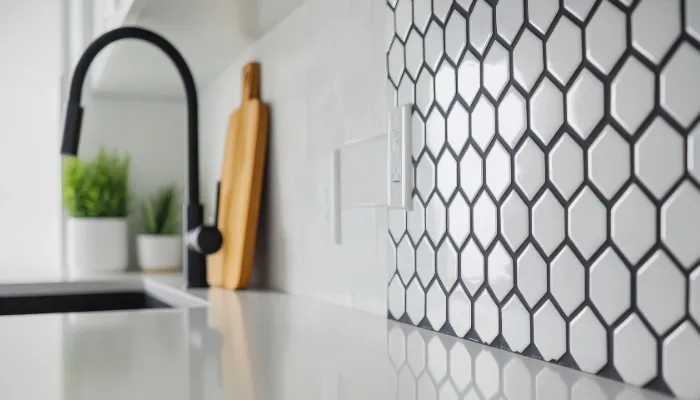
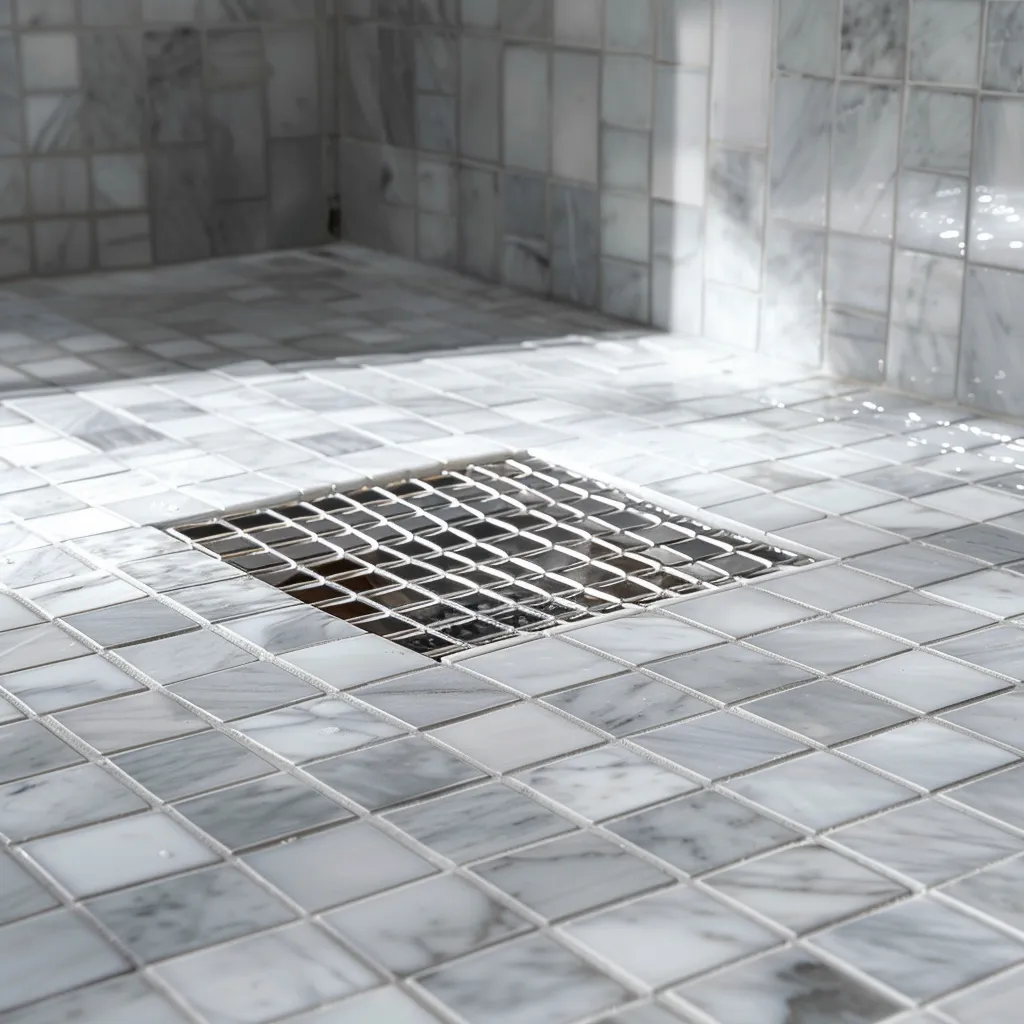
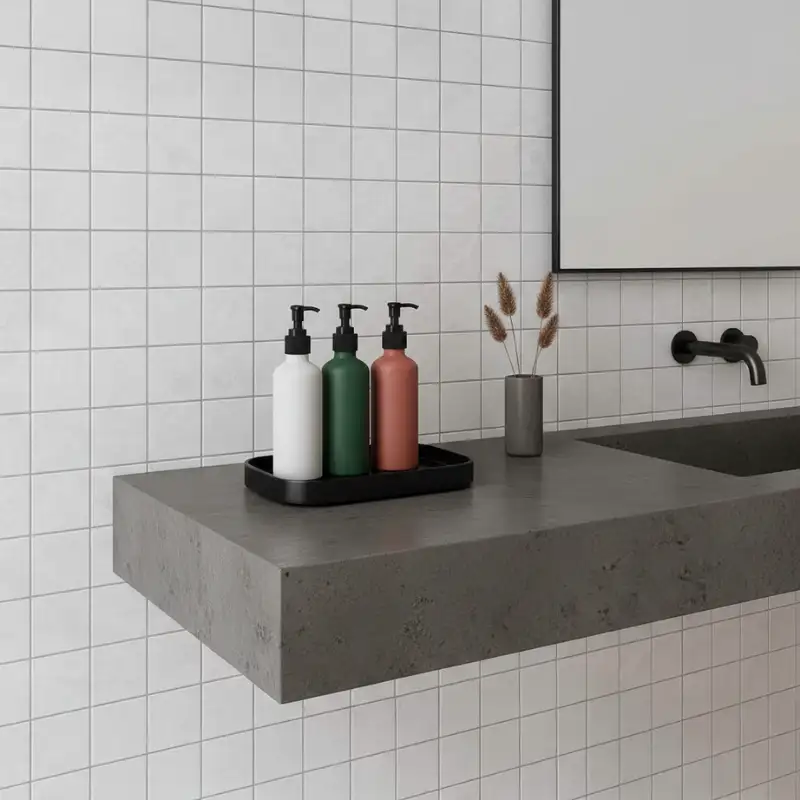
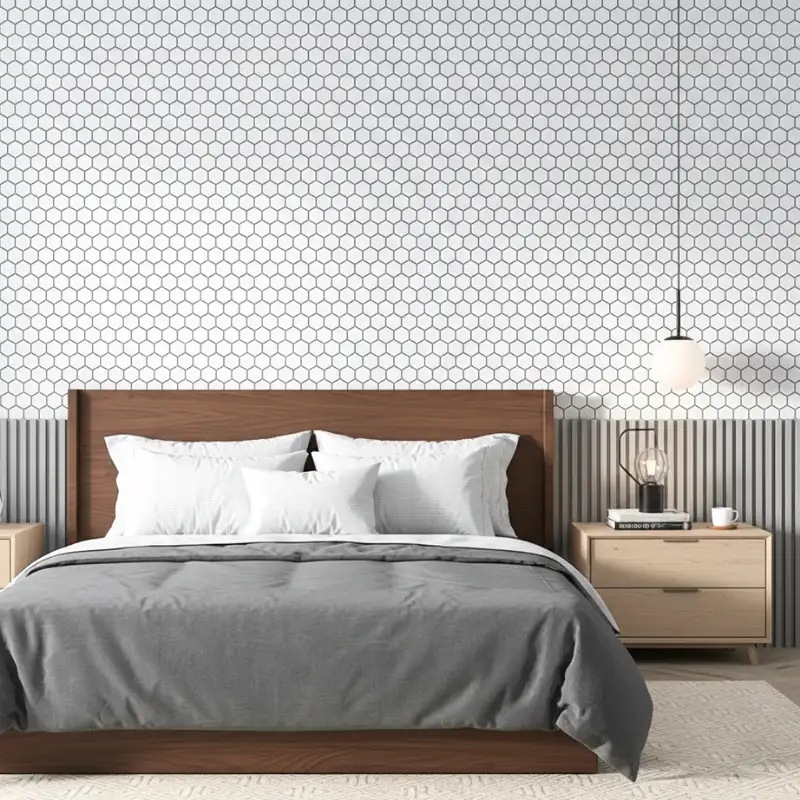
Most mosaics are mounted on mesh backing and sold in sheets. The common assumption is that a sheet is “about 12×12 inches,” so it must cover exactly 1 square foot. In reality, many sheets are slightly smaller (like 11.75×11.75 or 11.5×11.5), and some patterns include spacing that changes how coverage behaves in the real world.
This is why we always recommend checking the product’s stated coverage and treating “12×12” as a starting point—not a guarantee. If you’re browsing options, you can compare styles and materials in our Mosaic Tiles collection.
While brands vary, these are common real-world sheet sizes (not just “marketing sizes”):
The goal is simple: use the actual sheet measurement to calculate coverage, then add waste. If you’re picking patterns, browse inspiration in Shop by Pattern to see how layout choices influence cutting and waste.
The formula is refreshingly honest:
(Sheet Length in inches × Sheet Width in inches) ÷ 144 = Square feet per sheet
11.75 × 11.75 = 138.06 square inches
138.06 ÷ 144 = 0.96 sq ft per sheet
If your wall area is 50 sq ft, the “math-first” estimate is: 50 ÷ 0.96 = 52.08 → 53 sheets before waste.
Two sheets can be “about 12×12” and still behave differently because pattern geometry changes spacing and cut requirements. Here’s how common mosaics compare:
These are usually the most predictable. Rows align cleanly, and cuts at edges are straightforward. Coverage per sheet often stays close to the stated amount.
Hex layouts introduce geometry-driven spacing. Many hex sheets effectively cover slightly less than a true square-foot sheet, especially when sheets are trimmed around borders.
Herringbone looks premium, but it often increases waste because edges rarely land perfectly without cutting. You’ll almost always want extra sheets for clean perimeter finishing.
Even if your coverage math is perfect, installation adds real-world loss—cuts, breaks, drain slopes, niches, outlets, and edge trimming. A good rule of thumb:
For shower floors, mosaics are often chosen because small tiles follow the slope better and provide more grout lines for traction. That slope + drain cuts = extra waste. Planning for it early prevents “same tile, different lot” problems later.
Some mosaics are sold per sheet, some per box, and some per square foot. If you’re comparing products, convert everything to a single reference point—usually price per sq ft.
Example: a sheet costs $18, and coverage per sheet is 0.92 sq ft. The true cost is $18 ÷ 0.92 = $19.56 per sq ft.
If you love marble mosaics specifically, explore curated options in our Marble Mosaic collection and compare sheet coverage details before finalizing your cart.
These ranges are typical across many mosaic products (always confirm the specific listing):