Loading... (Warehouse Local Time)
Natural stone is one of the most durable, elegant, and timeless materials used in interior and exterior design. Yet many homeowners and even contractors experience issues with stone projects — not because natural stone is flawed, but because it is often misunderstood, misused, or improperly installed.
Cracking tiles, slippery floors, discoloration, uneven surfaces, and premature wear are almost always the result of avoidable mistakes. This guide breaks down the most common natural stone mistakes and explains how to avoid them — before they turn into expensive problems.
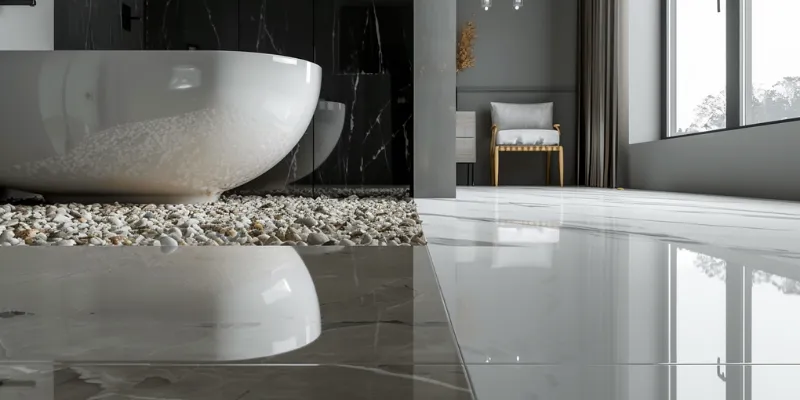
One of the most frequent and costly mistakes is selecting a stone finish based solely on appearance. Polished marble, for example, looks stunning in photos and showrooms, but it is not always suitable for real-world conditions.
In wet areas such as bathrooms, showers, and pool surroundings, polished finishes can become slippery and difficult to maintain. The reflective surface also shows water spots, soap residue, and scratches far more easily than matte finishes.
How to avoid this mistake:
Use honed, brushed, or tumbled finishes in moisture-prone areas. These finishes provide better slip resistance,
hide wear more gracefully, and require less visual maintenance over time.
If you are planning a bathroom renovation, exploring materials specifically selected for wet environments is essential. You can find suitable options on our Bathroom & Shower Tiles page.
Not all stone performs the same way in every environment. A tile that works perfectly indoors may fail outdoors, especially in areas exposed to temperature changes, moisture, or direct sunlight.
Using indoor-grade stone outside can lead to surface damage, fading, cracking, or water absorption issues. This mistake often happens when visual consistency is prioritized over performance.
How to avoid this mistake:
Always match the stone type and finish to its intended environment. Outdoor floors require materials with
proper density, slip resistance, and weather tolerance.
If your project includes patios, walkways, or exterior living spaces, selecting the right materials is critical. Our Outdoor Flooring collection is curated specifically for these conditions.
Even the highest-quality natural stone can fail if installed incorrectly. Uneven substrates, rushed workmanship, or improper leveling often result in lippage, cracked tiles, and long-term structural issues.

Many problems attributed to stone quality are actually installation errors. Natural stone requires precision, proper spacing, correct adhesive selection, and experienced handling.
How to avoid this mistake:
Work with installers who understand natural stone — not just ceramic or porcelain tile.
Proper surface preparation and leveling systems are essential for long-lasting results.
Natural stone is porous to varying degrees. Failing to seal it — or using an inappropriate sealer — can result in staining, moisture absorption, and uneven coloration.
Sealing is not about changing the look of the stone; it is about protecting it while preserving its natural character.
How to avoid this mistake:
Use sealers designed specifically for your stone type and application. Follow recommended sealing schedules,
especially in high-traffic or wet areas.
Natural stone is durable, but it is not maintenance-free. Expecting it to behave like synthetic materials often leads to disappointment.
Stone surfaces age naturally. This patina is part of their appeal, but it requires proper care. Harsh cleaners, acidic products, or neglect can shorten the lifespan of even premium stone.
How to avoid this mistake:
Understand the care requirements before choosing a stone. Gentle cleaning, periodic sealing, and
prompt spill management go a long way in preserving beauty and performance.
Unlike manufactured materials, natural stone varies in color, veining, and texture. Expecting uniformity similar to porcelain or vinyl is a common misunderstanding.
These variations are not defects — they are what make natural stone unique and visually rich.
How to avoid this mistake:
Review multiple samples, understand batch variation, and plan layouts that embrace natural movement
rather than fighting it.
Most natural stone issues are preventable. Choosing the right finish, understanding the environment, working with skilled installers, and committing to basic care can make the difference between a surface that lasts decades and one that fails prematurely.
Natural stone has been used for centuries in architecture for a reason. When selected and installed properly, it delivers unmatched longevity, authenticity, and value.
Avoiding these common mistakes starts with informed decisions — not shortcuts. Whether you are designing a bathroom, upgrading an outdoor space, or planning a full renovation, natural stone rewards thoughtful planning and expert execution.
At Stone Market USA, we believe the right stone, used the right way, should serve you beautifully for years to come.